Summary
Meet the Inspiring Mouth Cancer Ambassadors Changing Lives highlights the vital role of dedicated individuals who raise awareness, promote early detection, and support those affected by mouth and head and neck cancers worldwide. Mouth cancer, a significant global health issue ranking as the 16th most common cancer, often presents late due to low public awareness, leading to poorer outcomes. The ambassadors—comprising survivors, caregivers, healthcare professionals, and advocates—use personal stories and community engagement to educate the public about risk factors such as tobacco use, HPV infection, and dietary influences, thereby encouraging prevention and timely diagnosis.
Central to the campaign’s success is the active involvement of these ambassadors in national and international awareness initiatives like Mouth Cancer Action Month in the UK and World Cancer Day, where they lead screenings, fundraisers, and educational events. Supported by organizations such as the Mouth Cancer Foundation and professional bodies like the British Association of Dental Nurses, ambassadors receive training and mentorship to enhance their outreach and advocacy skills. Their efforts help bridge communication gaps between patients, caregivers, and healthcare providers, fostering supportive communities and improving survivorship care.
The campaign’s communication strategies combine evidence-based approaches with compelling personal narratives to combat misinformation and adapt to diverse audience needs. Despite challenges including persistent public misconceptions and varying informational preferences across age groups, ambassadors continue to innovate in digital outreach and community engagement, strengthening public knowledge and early detection rates. Their work exemplifies how grassroots advocacy, when integrated with professional and clinical education, can contribute meaningfully to reducing the burden of mouth cancer.
Recognized through formal awards and broad public acknowledgment, Mouth Cancer Ambassadors play a crucial advocacy role that extends beyond awareness-raising to influence policy and improve cancer care systems. By sustaining long-term commitment and fostering collaboration among patients, survivors, professionals, and policymakers, these ambassadors embody a powerful force for change in the fight against mouth cancer worldwide.
Background
Mouth cancer, also known as oral cancer, is a type of head and neck cancer that affects various parts of the oral cavity including the lips, tongue, gums, palate, salivary glands, and the inside of the cheeks. Tumours located further back in the throat region, such as the root of the tongue, soft palate, tonsils, and upper pharynx, are classified as pharyngeal cancer. Mouth and oral cancer rank as the 16th most common cancer globally.
The term “oral, head and neck cancer” primarily refers to squamous cell carcinoma occurring in the tongue, throat, and voice box, but it also encompasses cancers arising in the nasal cavity, sinuses, thyroid glands, and salivary glands. Tobacco use remains the leading cause of mouth cancer, with cigarettes, pipes, and cigars contributing significantly to increased risk. Approximately 17% of mouth cancers in the UK are attributed to smoking. Other notable risk factors include chewing betel quid or gutka, exposure to human papillomavirus (HPV), especially in individuals with weakened immune systems, and prolonged exposure to sunlight which is linked to lip cancers in outdoor workers.
Dietary habits also influence risk levels; a low intake of fruits and vegetables correlates with higher incidence of oral and pharyngeal cancers. Genetic predispositions from inherited mutations and conditions such as graft-versus-host disease (GVHD) following stem cell transplants further elevate susceptibility to mouth cancer.
Efforts to raise awareness and promote early detection have grown worldwide. Various public health campaigns and community-based interventions are organized annually to educate populations about the signs, symptoms, and risk factors associated with mouth cancer. Examples include World Cancer Day, World Oral Health Day, and Mouth Cancer Action Month in the UK. These initiatives often involve local events, media engagement, and mass media campaigns that aim to encourage early presentation and screening.
Organizations dedicated to combating mouth cancer also focus on tobacco cessation, HPV vaccination promotion, and support services for patients. Innovative programs encourage self-screening and referral through digital platforms, while support groups provide vital resources for survivors and affected families. Such comprehensive strategies are crucial for addressing the persistent burden of mouth cancer and improving outcomes through early intervention and sustained public awareness.
The Campaign: Goals and Key Messages
The campaign aims to raise public awareness of oral cancer by highlighting its signs, symptoms, and risk factors, encouraging early detection and proactive health measures. Central to its approach is the use of impactful slogans that align with the campaign’s goals—whether to increase general awareness or to support survivors—thereby boosting the effectiveness of outreach efforts. Recognizing the importance of public education, the campaign promotes widespread participation through annual events such as Mouth Cancer Action Month in the UK, alongside global observances like World Cancer Day and World Oral Health Day, which serve to amplify its message.
Key messages focus on empowering individuals and communities to take action against oral cancer. This includes educating the public about prevention, symptom recognition, and the availability of free visual and tactile screenings during designated awareness periods. The campaign also encourages involvement through fundraising and advocacy, creating a supportive network of patients, survivors, caregivers, and ambassadors who share personal stories to influence policy and drive positive change. By fostering collaboration and engagement, the campaign strives to make a meaningful difference in oral cancer survivorship and outcomes.
Mouth Cancer Ambassadors
Mouth Cancer Ambassadors are dedicated individuals, including cancer patients, survivors, caregivers, and professionals, who actively work to raise awareness about mouth and head and neck cancers. These ambassadors share their personal journeys and experiences to inspire and educate the public, helping to improve early detection, prevention, and survivorship care.
The British Association of Dental Nurses (BADN) recently appointed three new ambassadors—Honorary President Joan Hatchard RDN, President-elect Preetee Hylton RDN, and Chief Executive Pam Swain MBA—to the Mouth Cancer Foundation. These dental professionals play a crucial role in promoting oral cancer care and supporting patients with tooth, gum, and mouth issues, reflecting the frontline role dental nurses have in oral health. Their ambassador roles involve a commitment of at least two years, during which they regularly participate in awareness activities and community engagement.
Ambassadors receive mentorship, support, and training to help them develop and execute action plans tailored to their communities, both local and virtual. This support includes networking opportunities and in-person training sessions designed to improve survivorship care and provide resources for patients and families affected by mouth cancer. Many ambassadors, like Emily Bennett Taylor, a former athlete diagnosed at Stage IV, use their platforms to share personal stories and mobilize support, encouraging others to seek timely diagnosis and treatment.
In addition to individual efforts, ambassadors often participate in national and international campaigns such as Mouth Cancer Action Month in the UK, World Cancer Day, and other awareness initiatives. These campaigns aim to educate the public on risk factors, signs, and symptoms of oral cancer, with a focus on prevention through lifestyle changes, such as improving diet, which is linked to a significant proportion of mouth cancer cases. Ambassadors also contribute to webinars and support groups, providing guidance on managing treatment side effects and improving quality of life for patients.
Through their dedication, Mouth Cancer Ambassadors play a vital role in fostering community, enhancing public knowledge, and advocating for improved cancer care and survivorship outcomes worldwide.
Campaign Strategies and Communication
Effective campaign strategies play a critical role in raising awareness and improving outcomes related to mouth cancer. One key approach is the creation of impactful slogans that align closely with the specific goals of the campaign, whether these are focused on raising awareness, supporting survivors, or encouraging early detection. Campaign ambassadors, often patients, survivors, and caregivers, serve as powerful voices who share their personal stories to communicate important information, influence policy, and raise donations, thereby amplifying the campaign’s reach and emotional impact.
Communication strategies within mouth cancer campaigns draw from broader public health principles and have been informed by lessons learned from other health misinformation challenges, such as those seen in vaccination campaigns during the COVID-19 pandemic. Successful interventions in cancer communication often include patient navigators, reminders, small media (like mailed materials or automated calls), and training for healthcare providers to improve their communication skills. These methods are effective and demonstrate that behavior change strategies do not always require elaborate or costly interventions.
A nuanced understanding of the communication needs of cancer patients and their caregivers is essential for campaign success. Patients generally require personalized and compassionate communication from healthcare professionals, especially emotional support during treatment and recovery phases and reassurance in advanced disease stages. Caregivers, on the other hand, value opportunities to communicate independently with health professionals and often prefer different communication channels than patients. Campaign messaging must be sensitive to these distinctions to foster trust and engagement.
Community events, such as fundraisers and awareness walks, provide additional platforms to bring together patients, survivors, caregivers, and supporters, fostering a sense of solidarity while disseminating vital information about symptoms, risk factors, and prevention of mouth cancer. These events often encourage but do not mandate fundraising, allowing wider participation.
Mass media campaigns, alongside smaller community-based interventions, have been employed globally to enhance cancer awareness. Systematic reviews indicate that such campaigns can effectively promote early presentation and screening for cancer, demonstrating the importance of diverse communication methodologies in reaching various audiences. Moreover, educational efforts aimed at encouraging self-examination practices have been identified as valuable secondary preventive measures, complementing professional oral health examinations.
Social media platforms and digital outreach are increasingly significant, with cancer charities engaging millions of followers weekly and ambassadors participating in relevant sector events and webinars to maintain visibility and education on head and neck cancers. Through a combination of personalized storytelling, evidence-based communication strategies, and community engagement, mouth cancer campaigns continue to evolve and enhance their impact on public awareness and health outcomes.
Awareness Initiatives and Events
Efforts to raise awareness about mouth and head and neck cancers involve a variety of initiatives and events aimed at educating the public, encouraging early detection, and supporting those affected. One prominent approach includes community-driven awareness walks and campaigns that bring together patients, survivors, caregivers, and supporters to honor loved ones while spreading vital information about symptoms, risk factors, and prevention. These events often take place in April and emphasize participation through movement and engagement, with fundraising encouraged but not mandatory.
National and international campaigns play a critical role in raising public consciousness about oral cancers. Examples include Mouth Cancer Action Month in the UK, World Oral Health Day, and broader observances like World Cancer Day. These campaigns focus on disseminating information regarding early signs and risk factors, often advocating for the involvement of healthcare professionals and the public to improve early diagnosis rates. Slogans and promotional materials are utilized to enhance the impact of these awareness drives, encouraging proactive health measures such as screenings.
Screening events, frequently organized in partnership with local businesses and community organizations, provide free visual and tactile examinations aimed at early detection. The Mouth Cancer Foundation, for instance, actively promotes such initiatives during awareness months by coordinating resources, offering ideas for event planning, and publicizing these opportunities through press releases and outreach efforts. These screenings are particularly targeted at adults at high risk for head and neck cancers, highlighting early diagnosis as essential for successful treatment outcomes.
In addition to public events, ongoing updates and educational webinars are offered by organizations like the Head and Neck Cancer Alliance to keep communities informed about the latest developments in research, treatment options, and support services. These combined efforts contribute to a sustained and multifaceted approach to improving outcomes for those affected by mouth and head and neck cancers.
Clinical Education and Public Information
Raising awareness and educating both healthcare professionals and the public about oral cancer are essential components in improving early detection and treatment outcomes. Self-examination has emerged as a valuable tool that can engage individuals in monitoring their own oral health. While self-examinations should not replace professional evaluations, they serve as a secondary preventive measure to detect early lip and mouth lesions, potentially leading to earlier diagnosis. Educational guides aimed at physicians and nurses exist to enhance early detection, though their utilization and effectiveness remain under-assessed. Some evidence suggests that self-instructional courses can improve awareness among medical and dental professionals, but such approaches have not been widely adopted.
Public awareness of oral cancer risk factors and symptoms remains low, contributing to delays in seeking medical care and consequently poorer survival rates. To address this, public campaigns encourage individuals experiencing signs and symptoms to consult primary care providers promptly, promoting earlier diagnosis and treatment. These campaigns often utilize straightforward, cost-effective strategies such as patient reminders, educational materials mailed to patients, clinic posters, and provider communication training to increase screening rates and awareness. Slogans and targeted messaging, similar to those used in other cancer awareness campaigns, have proven effective in motivating proactive health behavior.
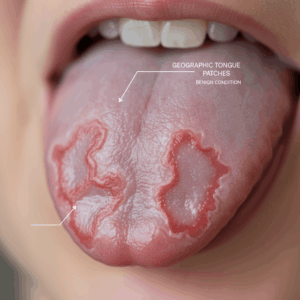
Recognition of oral cancer symptoms by the public is also a critical focus. Common signs, such as patches inside the mouth that cannot be scraped away, may be mistaken for benign conditions, underscoring the importance of education on symptom identification. Simple tools like mirrors and flashlights can empower individuals to perform self-checks for suspicious changes in the earliest stages of oral cancer.
In clinical settings, healthcare providers conduct thorough examinations not only of the oral cavity but also of the head, face, and neck to detect potential signs of pre-cancer or cancer. To complement these efforts, organized community screening events have proven effective. These events, which often involve partnerships with local businesses and media promotion, can draw walk-in patients and increase early detection rates. Supporting materials such as brochures, referral forms, and promotional items are often provided to healthcare offices to facilitate such initiatives.
Together, these educational and public information strategies form a multi-faceted approach to improving oral cancer outcomes by fostering early detection through awareness, professional training, and community engagement.
Impact and Outcomes
The Mouth Cancer Ambassadors have played a significant role in raising awareness, promoting early detection, and supporting those affected by mouth cancer across various communities. Through their efforts, the ambassadors contribute to improving survivorship and fostering a supportive network for patients, survivors, caregivers, and supporters.
One key impact of the ambassadors’ work is the promotion of early diagnosis, which is critical to successful treatment outcomes in head and neck cancers. Their campaigns encourage high-risk adults to participate in free visual and tactile screenings offered nationwide, particularly during dedicated awareness months such as April and November. These initiatives help to increase public awareness of symptoms, risk factors, and prevention strategies, thereby potentially reducing late-stage diagnoses.
The ambassadors also enhance community engagement by organizing events that bring together survivors who share their experiences and provide mutual support. These gatherings and webinars focus on educating patients about treatment expectations and managing side effects, helping to address the emotional and informational needs of those affected. Additionally, the ambassadors’ storytelling and advocacy efforts serve as a source of inspiration and hope, as exemplified by survivors sharing their journeys to motivate others facing similar diagnoses.
Furthermore, the ambassadors’ involvement supports broader cancer communication strategies by highlighting common challenges and effective practices in survivorship care. Their grassroots activities align with research-driven approaches aimed at translating evidence into better policies and practices to tackle the nation’s growing cancer burden. By combining awareness, education, and community support, the Mouth Cancer Ambassadors contribute meaningfully to both individual patient outcomes and public health objectives.
Challenges and Future Directions
One of the primary challenges faced by mouth cancer ambassadors and public health advocates is the low public awareness of oral cancer, which contributes to delays in patients seeking medical attention and results in poorer survival rates. Despite numerous annual campaigns such as World Cancer Day and Mouth Cancer Action Month, there remains a significant need to enhance public education about the signs, symptoms, and risk factors of oral cancer to encourage earlier diagnosis and treatment.
Another ongoing difficulty lies in effectively combating health-related misinformation, a problem exacerbated by movements such as the anti-vaccination campaigns that have gained traction during the COVID-19 pandemic. While public health specialists, clinicians, and researchers strive to understand and mitigate the spread of misinformation, current tools are insufficient to expose and correct falsehoods on a large scale. This challenge underscores the need for improved communication strategies that can be leveraged to address misinformation not only in cancer
Recognition and Honors
The Mouth Cancer Foundation acknowledges the significant contributions of its ambassadors through various awards and formal recognition programs, highlighting their vital role in spreading awareness and improving survivorship within communities. Ambassadors such as Tripat have expressed their honor in representing the Foundation and furthering its mission to combat this cruel disease. These individuals, known as Elevate Ambassadors, serve as advocates and survivorship professionals dedicated to ensuring quality cancer care is delivered, thereby enhancing the lives of those affected by mouth cancer.
The Foundation’s structure includes diverse ambassador roles—clinical, patient, people’s, and honorary ambassadors—totaling over thirty individuals who actively participate in awareness campaigns and community engagement throughout the year, with intensified activities during Mouth Cancer Awareness Month in November. The daily operations supporting these efforts are managed by experienced personnel including Elizabeth Ayto Laverack, whose background in public relations and journalism has been instrumental since the Foundation achieved charity status in 2005.
Beyond the Foundation, related advocacy groups such as the American Cancer Society Cancer Action Network (ACS CAN) also recognize the importance of ambassador roles in policy advocacy and community organization. ACS CAN Ambassadors engage in legislative outreach, event planning, and membership drives, with a commitment spanning two years, illustrating the broader framework of ambassador-led cancer advocacy and recognition efforts.
The content is provided by Blake Sterling, Lifelong Health Tips