Summary
Unlocking the Secrets to Lifelong Oral Health: Why It Matters at Every Stage of Life emphasizes the essential nature of oral health throughout life, stressing its influence on overall well-being and systemic health. Oral health is shaped by multiple factors affecting nutrition, communication, and self-esteem and requires tailored care at each life stage. The article explores preventative strategies, physical and systemic health challenges, and the advancements in oral care that can support these endeavors.
Importance of Oral Health
Oral health is vital for overall health and quality of life at every stage. It encompasses not only structural aspects but also physiological and psychosocial factors necessary for daily functioning. Although many older adults are retaining natural teeth, they still encounter significant barriers to optimal oral health, including chronic diseases and access issues. Since oral diseases can lead to considerable healthcare costs, effective public health initiatives are necessary to improve outcomes and reduce burdens on healthcare systems.
Oral Health Across the Lifespan
Oral health evolves over a lifetime and demands age-specific care. Good hygiene practices from infancy through older adulthood not only preserve teeth and gums but also significantly impact overall health. Each life stage has unique challenges and requires tailored strategies for maintenance and improvement.
Early Childhood and Adolescence
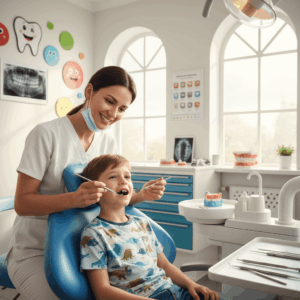
During early childhood, developing good hygiene habits is crucial as children transition from primary to permanent teeth. Early dental care, including fluoride treatments and sealants, can influence future dental health. Adolescents need support in practicing healthy behaviors, as they take on greater responsibility for their oral hygiene.
Adulthood
In adulthood, periodontal diseases become prevalent, and oral health can affect systemic conditions like diabetes and cardiovascular disease. Regular dental visits are crucial for early detection and management of gum disease and other issues while tailored treatment options help maintain teeth and aesthetics.
Older Adults
Older adults often face increasing oral health challenges due to physiological changes and chronic conditions. Maintaining oral health is critical for overall quality of life, with regular examinations and ongoing education key to preventing complications. The links between oral and systemic health highlight the need for coordinated care in this demographic.
Lifelong Oral Hygiene Practices
Establishing effective oral hygiene from an early age is essential for lifelong health. Infants should have their gums wiped before teeth emerge, and soft-bristled toothbrushes should be introduced once teeth appear. As children grow, parental supervision remains important for thorough cleaning until they can manage alone.
Common Oral Health Problems by Life Stage
Oral health issues vary by life stage, warranting specific prevention strategies. For example, adolescents frequently experience untreated cavities and gingivitis, while young children are at risk for dental caries. In older adults, factors like reduced saliva and coexisting morbidities can complicate care.
Importance of Early Prevention Across Life Stages
Early preventive care is crucial, as it is cost-effective and significantly diminishes the likelihood of severe dental issues later on. Tailored approaches for each life stage can foster a healthy oral environment and prevent disease progression.
Preventive Care Technologies and Innovations
Innovations in preventive technologies enhance the detection and management of dental issues. For instance, dental X-rays allow for the early identification of problems, while fluoride treatments and sealants provide effective defenses against decay across age groups. Additionally, ergonomic dental tools support effective oral care, particularly for older adults facing dexterity challenges.
Treatment Protocols for Older Adults
Developing treatment protocols for older adults requires a thorough understanding of both their unique dental needs and existing health conditions. Treatment plans should be individualized and integrate healthcare professionals to ensure comprehensive care. Regular examinations and education on oral hygiene are vital for maintaining health and preventing complications.
Public Health Strategies and Education
Public health initiatives are essential in promoting lifelong oral health through education and awareness. These efforts focus on addressing disparities, improving accessibility, and fostering preventive care across all age groups, ultimately enhancing overall health outcomes.
The content is provided by Harper Eastwood, Lifelong Health Tips