Summary
Boosting Your Confidence in the Face of Mouth Cancer: Empowering Strategies for Survival
Mouth cancer, also known as oral cancer, is a serious malignancy affecting various parts of the oral cavity, including the lips, tongue, gums, and salivary glands. Its diverse symptomatology and often subtle early signs contribute to delayed diagnoses, posing significant challenges for timely treatment and improved survival outcomes. Beyond the physical toll, mouth cancer profoundly impacts patients’ psychological and emotional well-being due to changes in appearance, speech, and daily functioning, which can erode self-esteem and social confidence. As such, addressing both the physical and psychosocial dimensions of mouth cancer is essential for comprehensive care and quality of life enhancement.
Treatment modalities for mouth cancer—such as surgery, radiotherapy, chemotherapy, and emerging immunotherapies—play a pivotal role in disease control but frequently lead to side effects that affect oral function, appearance, and overall health. These complications, including difficulties in swallowing, speech impairment, dry mouth, and facial disfigurement, further exacerbate emotional distress and can hinder patients’ confidence and social reintegration. Multidisciplinary approaches involving reconstructive surgery, rehabilitative therapies, and symptom management are critical in restoring physical abilities and promoting psychological recovery.
To empower patients and survivors, a variety of psychological interventions and supportive strategies have demonstrated efficacy in boosting confidence and resilience. Cognitive-behavioral therapy (CBT), mindfulness-based practices, and supportive-expressive group therapy help mitigate anxiety, depression, and trauma-related symptoms commonly experienced in the cancer journey. Positive psychology approaches that emphasize individual strengths, hope, and social connection further enhance coping and foster a hopeful outlook. Peer support networks and professional counseling services offer vital emotional sustenance, helping patients navigate the multifaceted challenges of their diagnosis and treatment with greater psychological strength.
The role of healthcare providers is integral in facilitating this holistic care by combining medical treatment with psychological support, social resources, and rehabilitation to improve patients’ confidence and quality of life. Inspirational survivor stories and community-based programs highlight the importance of empowerment and resilience, reinforcing that with appropriate interventions, individuals facing mouth cancer can regain self-esteem, maintain meaningful social connections, and thrive beyond their illness.
Understanding Mouth Cancer
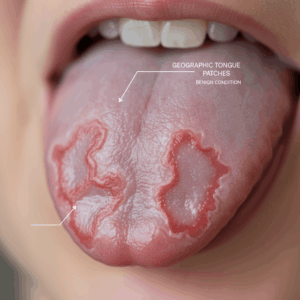
Mouth cancer, also referred to as oral cancer, can develop in various locations within the oral cavity, including the lips, inner lining of the cheeks, salivary glands, gums, tongue, hard palate, and soft palate. Because of this variability, the symptoms of mouth cancer are diverse and often depend on the tumor’s location. Early anatomical signs may include white patches on the tongue or gums, nonhealing sores, ulcers, lumps, or unexplained pain in the mouth. These early signs can be subtle and easily overlooked, which complicates timely diagnosis.
The diagnosis of mouth cancer typically begins with a standard clinical oral examination (COE), which involves white-light visual inspection and palpation of the oral cavity, as well as examination of the external facial and neck regions. Adjunctive screening tools, such as special dyes and lights, may also be employed to detect abnormal areas, particularly in patients at higher risk. If suspicious lesions are found, a biopsy and histopathological study are necessary for definitive diagnosis.
Active case finding remains the most common strategy for early detection in many countries, relying on patients presenting with abnormal signs or symptoms to healthcare providers. The effectiveness of early diagnosis depends significantly on the training and commitment of dentists, family physicians, and other healthcare professionals to recognize the clinical signs and symptoms that warrant suspicion of oral cancer or oral potentially malignant disorders (OPMDs).
Beyond physical symptoms, mouth cancer and its treatment can profoundly affect patients’ quality of life. The mouth plays a critical role in identity, communication, and social interaction, and cancer in this region can impact the patient’s sense of self and how they are perceived by others. This existential dimension underlines the psychological and emotional challenges faced by individuals living with mouth cancer.
Complications from mouth cancer treatment are common and include dysphagia (difficulty swallowing), speech problems, dry mouth, and changes in taste. These side effects may result directly from the cancer treatment or indirectly from its systemic effects. Long-term follow-up care by specialized healthcare providers, including speech and swallowing therapists, is crucial to managing these functional impairments and improving survivors’ quality of life.
Psychological distress is prevalent among patients with mouth cancer. Depression, anxiety, and post-traumatic stress disorder (PTSD) are frequent and may persist well beyond treatment completion. Contributing factors include the diagnosis itself, treatment side effects, concerns about disease progression or recurrence, and disfigurement resulting from surgery or radiation. Addressing these psychological symptoms is essential to enhancing patients’ overall well-being and survival experience.
Psychological and Emotional Challenges
A diagnosis of mouth cancer often triggers a profound psychological and emotional response in patients, encompassing a range of distressing feelings such as anxiety, sadness, fear, and uncertainty. These emotions are natural reactions to the loss of health and the threat posed by the illness and its treatment, and virtually all patients experience some degree of emotional vulnerability during this period. Emotional distress may be so severe that it disrupts sleep, appetite, and overall mood, especially in individuals with preexisting anxiety disorders or phobias related to medical environments.
Cancer-related distress is multifaceted, involving worry about the future, treatment outcomes, and changes in body image. Patients frequently confront changes in their appearance, such as hair loss or surgical scars, which can negatively impact self-esteem and self-perception. These alterations often lead to feelings of anger, sadness, or frustration, as patients struggle with how others perceive them and how they view themselves. For example, patients with head and neck cancers may face challenges related to facial disfigurement, altered voice, and speech difficulties, which further compound their emotional burden and can lead to social withdrawal and isolation.
Self-esteem plays a critical role in psychological adjustment to cancer. It reflects an individual’s evaluation of their own worth and capabilities and is influenced by physical health, social relationships, and psychological well-being. Low self-esteem may predict poor psychological outcomes, including depression and maladaptive coping strategies such as denial and avoidance, which can persist long after diagnosis and treatment. The emotional impact of these changes may also extend to intimate aspects of life, where concerns about sexual identity and body image can interfere with returning to normalcy.
Supportive psychological care is therefore an essential component of comprehensive cancer treatment. Patients are encouraged to engage in enjoyable activities and hobbies that promote a sense of normalcy and improve mood. Additionally, professional counseling and therapy provide critical tools to manage anxiety, depression, and other emotional challenges effectively. Peer support, including sharing experiences with others who have faced similar challenges, can foster a sense of community and reduce feelings of isolation.
Finally, social and cultural factors also influence how patients interpret and cope with their diagnosis. Lower social and cultural status may lead to delayed recognition of symptoms and heightened panic, underscoring the complexity of psychological responses in diverse populations. Overall, addressing psychological and emotional challenges is vital for improving quality of life, facilitating treatment tolerability, and empowering patients to navigate the journey of mouth cancer with resilience and hope.
Treatment Modalities and Their Impact
Mouth cancer treatment typically involves a combination of surgery, radiotherapy, chemotherapy, targeted therapy, and immunotherapy, tailored to the stage and location of the tumor as well as patient preferences and overall health. Surgery is often the primary treatment for early-stage oral cancers and may be followed by radiotherapy to improve outcomes. Radiotherapy alone can be used in cases where surgery is not feasible, particularly in patients with other medical conditions or in more advanced cancers involving surrounding tissues or lymph nodes. Chemotherapy, frequently administered concurrently with radiotherapy (chemoradiation), is another treatment option that enhances the effectiveness of radiation. Targeted drugs and immunotherapy are increasingly incorporated, offering more precise approaches that have improved survival rates while aiming to reduce systemic toxicity.
While these treatments are essential for disease control, they often result in significant side effects that impact both physical function and psychological well-being. Common physical complications include oral mucositis, dry mouth (xerostomia), swallowing difficulties (dysphagia), changes in taste, and increased risk of dental problems such as tooth decay and jaw infections. Radiotherapy, in particular, can damage salivary glands and jaw bones, necessitating thorough dental evaluation and preventive care prior to treatment. These side effects can persist for months or years post-treatment, affecting nutrition, speech, and overall quality of life.
Surgical removal of tumors in the head and neck region often leads to changes in facial appearance and oral function, which can negatively affect patients’ self-esteem, body image, and social interactions. Reconstructive and plastic surgery play crucial roles in restoring appearance and oral functions such as chewing, swallowing, and speaking, thereby helping to mitigate the psychosocial impact of treatment. Restorative dentistry also contributes to rehabilitation by replacing lost tissues and teeth to improve function and aesthetics.
Immunotherapy, while promising, may provoke immune-related adverse effects including exacerbations of preexisting autoimmune diseases and rare complications like osteonecrosis. Cutaneous and oral side effects occur in a significant proportion of patients undergoing immunotherapy, sometimes necessitating dose adjustments or discontinuation of treatment.
Psychological support and rehabilitation services are integral to managing the broad spectrum of challenges faced by mouth cancer survivors. Physical, speech, and occupational therapies aid in functional recovery and promote independence, which is closely linked to improved self-confidence and reduced psychological burden. Interventions based on positive psychology, behavioral therapy, mindfulness, and supportive-expressive group therapy have demonstrated beneficial effects on resilience and post-traumatic growth, helping patients cope with their illness and treatment sequelae. Open communication with healthcare teams and supportive social networks further bolster emotional well-being and coping capacity during and after treatment.
Strategies to Boost Confidence and Psychological Well-being
Maintaining confidence and psychological well-being is crucial for individuals facing mouth cancer, as the diagnosis and treatment can present significant emotional and mental challenges. Various strategies and interventions have been identified to support patients in enhancing their resilience, managing distress, and fostering a positive outlook.
Psychological Interventions and Therapies
Cognitive-behavioral therapy (CBT) has emerged as a gold-standard intervention for addressing psychological morbidity in cancer patients. CBT helps patients reframe negative thoughts and develop coping mechanisms that reduce anxiety, depression, and fear related to their illness. Mindfulness-based interventions are also commonly used to cultivate present-moment awareness and reduce stress, although some recent reviews question the robustness of evidence supporting these methods in cancer populations. Supportive–expressive group therapy, which focuses on emotional expression and social support, has demonstrated significant positive effects on quality of life by reducing psychological burden and enhancing coping skills.
Integrative approaches combining psychotherapy and pharmacotherapy have shown to improve resilience—a modifiable trait associated with better emotional outcomes—in patients experiencing trauma-like reactions due to cancer diagnosis and treatment. Programs such as Stress Management and Resilience Training (SMART) employ group-based CBT techniques specifically designed to boost resilience and alleviate distress.
Positive Psychology and Strength-Based Approaches
The positive psychology framework emphasizes leveraging individual strengths, such as optimism, hope, creativity, and humor, to promote adaptation and life satisfaction during cancer treatment. Engaging in hobbies, creative pursuits, or nature activities helps patients maintain normalcy, improve mood, and provide distractions from treatment-related concerns. Regularly focusing on gratitude and appreciation can also shift perspectives toward positive life aspects despite ongoing challenges.
Social and Peer Support
Human connection plays a vital role in emotional well-being. Open communication with family, friends, and caregivers offers crucial emotional support and fosters a sense of belonging. Many cancer centers provide integrated psychological services, offering safe spaces for patients to explore feelings and receive personalized guidance. Peer support programs, including volunteer “buddy” systems and online communities, connect patients with survivors who share practical advice and empathetic understanding, thereby reducing feelings of isolation and enhancing coping.
Practical Tools and Mind-Body Techniques
Techniques such as meditation, deep breathing exercises, and mindfulness practices can cultivate inner peace and better emotional regulation by anchoring attention in the present moment. These methods help patients manage stress and anxiety more effectively, improving overall psychological well-being.
Importance of Professional Help and Holistic Care
Patients experiencing overwhelming emotions like anxiety or depression are encouraged to seek professional help from therapists or counselors, who provide tailored support and coping strategies. A holistic approach addressing physical, emotional, and social needs—including early palliative care and integrative mind-body interventions—ensures comprehensive care that enhances quality of life throughout the cancer journey.
By combining evidence-based psychological therapies, positive psychology principles, social support networks, and practical mind-body tools, individuals with mouth cancer can significantly boost their confidence and psychological resilience, empowering them to face their diagnosis and treatment with greater strength and hope.
Reconstructive and Medical Interventions for Confidence Restoration
Patients diagnosed with mouth cancer often face significant physical and psychological challenges that impact their self-esteem, body image, and overall quality of life. Reconstructive and medical interventions play a critical role in restoring both function and appearance, thereby helping to rebuild confidence and promote emotional well-being.
Following cancer treatment, which may include surgery, radiation, and chemotherapy, patients may experience functional impairments such as difficulties with speech, swallowing, mouth and throat lubrication, and mobility of oral structures. To address these issues, multidisciplinary teams—comprising head and neck surgeons, plastic surgeons, maxillofacial prosthodontists, speech therapists, and rehabilitation specialists—collaborate to design individualized treatment and rehabilitation plans tailored to each patient’s specific needs.
Reconstructive surgery is commonly performed after tumor removal to restore the anatomical structure and function of the oral cavity. Techniques often involve free tissue transfer, where a patient’s own tissue—along with its blood vessels—is transplanted microsurgically to the site of the surgical defect. Bone reconstruction may be achieved using free bone transfers from sites such as the fibula or scapula, which not only restore facial appearance but also improve swallowing function by preventing abnormal communication between the mouth, nose, and neck. When teeth are lost during surgery, dental rehabilitation with implants is utilized to further enhance oral function and appearance.
In addition to surgical reconstruction, rehabilitation services provide comprehensive support to improve speech, swallowing, and mobility post-treatment. Speech and swallowing therapists are integral throughout the treatment continuum, assisting patients before, during, and after cancer therapy to manage side effects and facilitate recovery. Physical and occupational therapists also contribute by helping patients regain mobility and adapt to functional changes resulting from treatment.
Medical interventions for symptom management, including pain control, muscle relaxants, and medications for depression, are vital components in addressing the multifaceted challenges faced by patients. Swallowing difficulties, often exacerbated by oral mucositis, dry mouth, radiation-induced skin damage, and infections, require targeted treatments to enhance patient comfort and function.
Role of Healthcare Providers in Confidence Empowerment
Healthcare providers play a crucial role in empowering patients with mouth cancer to boost their confidence and improve their overall quality of life. Through a combination of psychological support, counseling, and integrative care approaches, medical professionals address the emotional distress that often accompanies diagnosis and treatment. This comprehensive care is essential for helping patients manage feelings of anxiety, depression, and fear, which can otherwise hinder psychological adjustment and long-term wellbeing.
Psychological interventions, including counseling and psychotherapy, offer patients a safe and confidential environment to explore their emotions and develop personalized coping strategies. Many cancer centers now integrate psychological services into their care continuum, recognizing the importance of tailored emotional support in fostering resilience and self-esteem. Supportive–expressive group therapy, for instance, aims to alleviate the psychological burden of cancer by enhancing patients’ coping mechanisms and improving life satisfaction through the cultivation of positive personal strengths such as optimism and hope.
Healthcare providers also facilitate access to social support networks by encouraging involvement from family, caregivers, and community resources. This social support is vital for meeting both the practical and emotional
Inspirational Stories and Case Studies
Survivors of mouth cancer often find strength and encouragement through the shared experiences of others who have faced similar challenges. Connecting with fellow survivors provides not only practical advice but also a powerful source of hope and resilience. For instance, cancer support groups serve as safe spaces where individuals can share their journeys and gain emotional support, fostering friendships that are vital for coping during and after treatment. Hearing firsthand accounts from survivors who have undergone comparable treatments offers credibility and reassurance that recovery and a fulfilling life are achievable.
Case studies highlight the importance of community and positive psychological resources in enhancing quality of life. Supportive–expressive group therapy, which focuses on reducing psychological burden and strengthening coping mechanisms, has been shown to improve patients’ adaptation to their condition by utilizing inherent strengths such as optimism and hope. These approaches encourage survivors to maintain a positive mindset, which plays a crucial role in focusing on living meaningfully despite ongoing challenges.
Individual narratives also illustrate the long-term management of side effects common in mouth cancer survivors, such as fatigue, swallowing difficulties, and changes in taste. Rehabilitation services tailored to these issues contribute to improved daily functioning and psychological well-being, highlighting the importance of a multidisciplinary approach to survivorship care. Moreover, addressing self-esteem and adaptive coping strategies early in the diagnosis can significantly influence psychological adjustment and overall satisfaction with life, as maladaptive responses are linked to prolonged depression and distress.
Together, these inspirational stories and clinical examples underscore the critical role of community support, positive psychology interventions, and proactive rehabilitation in empowering mouth cancer survivors to rebuild confidence and thrive beyond their diagnosis.
Resources and Further Reading
A variety of organizations and platforms provide valuable resources for individuals affected by mouth cancer, including patients, survivors, families, and caregivers. The Oral Cancer Foundation (OCF) offers up-to-date oral cancer news, research findings, and human interest stories through a free RSS feed. It also hosts an anonymous patient and survivor discussion forum where those impacted by oral cancer can share experiences and gain support from others who have faced similar challenges. Additionally, OCF produces regular podcasts aimed at patients, survivors, and healthcare professionals involved in early detection and treatment, accessible via Apple Podcasts and other platforms.
Support groups and peer matching programs are available through various organizations to help patients and families connect with others on similar journeys. These groups foster community, allowing members to share experiences and provide mutual encouragement, which can significantly aid emotional healing. Many cancer charities and foundations also focus on offering information, resources, and support tailored to the needs of patients, families, carers, and health professionals, ensuring a comprehensive approach to care.
Awareness campaigns, such as World Cancer Day, World Oral Health Day, and Mouth Cancer Action Month in the UK, play an essential role in educating the public and promoting early detection. These campaigns are often supported by community-based interventions that use diverse methodologies to raise cancer awareness locally and globally.
Families and caregivers of mouth cancer patients are increasingly recognized as needing dedicated support. Many cancer organizations and hospitals provide counseling, support groups, educational materials, and specialized programs to help families cope with the emotional impact of a diagnosis and to strengthen their caregiving abilities.
For those struggling with the emotional challenges associated with mouth cancer, professional help from therapists and counselors can offer valuable coping tools. Approaches such as supportive–expressive group therapy aim to reduce psychological burdens, enhance coping mechanisms, and improve overall quality of life. Positive psychology interventions, which focus on individual strengths like optimism, creativity, humor, and hope, also contribute to improved life satisfaction and resilience during treatment and recovery.
Together, these resources and programs empower individuals affected by mouth cancer to navigate their journey with confidence and hope.
The content is provided by Avery Redwood, Lifelong Health Tips