Summary
Burning Mouth Syndrome (BMS) primarily affects postmenopausal women over 60, causing a persistent burning sensation in the mouth without visible abnormalities. The underlying causes may involve nerve damage and can be categorized into primary (idiopathic) and secondary forms linked to various conditions like hormonal changes, nutritional deficiencies, or systemic diseases. Diagnosis is clinical, focusing on the burning sensation lasting over three months and ruling out other issues, while treatment varies and often includes pharmacological and non-pharmacological options to manage symptoms.
Causes and Risk Factors
BMS can arise from multiple factors categorized into primary and secondary causes. Primary BMS results from nerve damage, particularly affecting the lingual branch of the mandibular nerve, leading to altered sensations in the mouth, while secondary BMS can be triggered by identifiable conditions like oral habits, hormonal changes, nutritional deficiencies, or systemic diseases.
Several risk factors exacerbate BMS, particularly age and gender, as hormonal fluctuations in postmenopausal women make them more susceptible. Psychological factors, genetic predispositions, and lifestyle choices, such as smoking or alcohol use, also contribute to increasing the risk of developing BMS.
Symptoms and Clinical Presentation
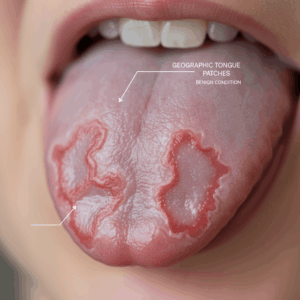
BMS is characterized by a burning or tingling sensation in the oral mucosa, commonly affecting the tongue and lips, lasting at least four to six months. Patients often experience fluctuations in pain intensity, subjective dry mouth, and altered taste sensations with no visible oral abnormalities. Psychological factors are commonly associated, potentially affecting quality of life and intensifying symptoms.
Pathophysiology
The pathophysiology of BMS is complex and involves both neuropathic and psychogenic components, reflecting changes in neural pathways related to pain processing. Evidence indicates altered connectivity within brain networks responsible for pain perception, with potential involvement of small fiber neuropathy. Autonomic nervous system dysfunction may also play a significant role in symptom manifestation.
Diagnosis
Diagnosis of BMS is primarily clinical, focusing on the presence of a chronic burning sensation without visible abnormalities. A thorough differential diagnosis is essential to rule out secondary causes related to oral or systemic conditions, requiring collaboration among multiple health professionals. The goal is to confirm BMS while excluding other disorders that mimic its symptoms.
Treatment and Management
Management of BMS involves differentiating primary from secondary forms and requires a multidisciplinary approach. Pharmacological treatments generally focus on symptom relief with options like antidepressants, antiepileptics, and topical therapies. Personalization of treatment is crucial due to the variability in patient responses and symptom presentations.
In addition to medications, non-pharmacological strategies such as laser therapy, acupuncture, behavioral therapies, and relaxation techniques may be explored to improve quality of life. The complexity of BMS necessitates tailored interventions that consider individual patient factors and potential interactions with other treatments.
Prognosis and Quality of Life
The prognosis for BMS varies significantly among individuals, impacted by psychological factors and overall health. Chronic pain and sensory alterations can lead to diminished quality of life, highlighting the importance of comprehensive management strategies. Understanding patient experiences and needs is essential for effective long-term management.
Research and Future Directions
Ongoing research aims to clarify the mechanisms underlying BMS and enhance treatment options. Studies point towards central nervous system involvement and highlight the need for an integrated approach, utilizing diverse diagnostics to personalize care. Investigating biomarkers and new therapeutic methods reflects a commitment to improving outcomes for those affected by BMS and addressing the multifaceted nature of the condition.
The content is provided by Avery Redwood, Lifelong Health Tips