Summary
The first human bladder transplant marks a historic milestone in the fields of transplant surgery, regenerative medicine, and urology, representing the world’s inaugural clinical trial to replace a diseased bladder with a donor organ using advanced robotic surgical techniques. This groundbreaking procedure, developed by a surgical team led by Dr. Inderbir “Indy” Gill at Keck Medicine of USC, overcomes longstanding anatomical and technical challenges associated with bladder transplantation by employing minimally invasive robotic-assisted methods to improve surgical precision and reduce operative time. The transplant offers a promising new treatment option for patients with severe bladder dysfunction caused by congenital anomalies, injury, or disease—conditions traditionally managed with less optimal reconstructive approaches such as gastrointestinal segment neobladder creation, which carry significant long-term complications.
Building upon decades of advances in organ transplantation and tissue engineering, including pioneering work in laboratory-grown, cell-seeded bladder constructs, this procedure utilizes donor bladders harvested from brain-dead individuals maintained on ventilatory support. The surgical team has conducted extensive preclinical research involving robotic bladder retrievals and transplantation in deceased donors, as well as cadaveric and animal studies, to refine the complex microsurgical vascular anastomoses required to ensure graft viability. Lifelong immunosuppression remains necessary to prevent rejection, and ongoing clinical trials are evaluating the safety, efficacy, and long-term outcomes of vascularized bladder allograft transplantation in carefully selected patients.
The success of the first human bladder transplant has garnered significant attention from the medical community and media worldwide, highlighting its potential to revolutionize treatment paradigms for bladder diseases and improve patient quality of life. However, the procedure also raises important ethical considerations regarding organ donation practices, including the need to prevent coercion and organ trafficking, ensuring that transplantation adheres to voluntary, altruistic standards. The involvement of organ procurement organizations, such as the OneLegacy Foundation, has been critical in facilitating donor consent and clinical trial support under established ethical frameworks.
This landmark achievement exemplifies the convergence of surgical innovation, regenerative medicine, and robotic technology, setting a precedent for future advances in bioengineered organ transplantation. As clinical trials progress, the procedure may open new avenues for restoring native bladder function and inspire further development of personalized regenerative therapies for other organ systems, ultimately transforming the management of end-stage bladder conditions worldwide.
Background
Organ transplantation has a long and evolving history, with the concept of replacing diseased organs with healthy ones dating back to ancient times. The first successful human-to-human kidney transplant was performed in 1954, marking a pivotal milestone in medicine and setting the foundation for modern transplantation as a preferred treatment for life-limiting organ damage. Over the decades, transplantation techniques have advanced significantly, though ethical concerns remain, particularly surrounding organ trafficking, which is estimated to affect up to 10% of transplants worldwide.
Among various organs, the transplantation of the urinary bladder presents unique challenges due to its complex structure and function. The bladder is a hollow organ responsible for urine storage, and its reconstruction or replacement is critical in cases of bladder dysfunction arising from conditions such as neurogenic bladder, bladder exstrophy, or posterior urethral valves. Traditional treatments often involve neobladder reconstruction using segments of the gastrointestinal tract, but these approaches carry significant long-term complications.
Recent advancements in regenerative medicine and tissue engineering have opened new possibilities for bladder replacement. The pioneering work of Atala and colleagues demonstrated the successful creation and transplantation of laboratory-grown bladders seeded with the patient’s own cells, marking the first laboratory-created organ implanted into humans. This technique avoids the issue of immune rejection and represents a breakthrough in bioprinting and regenerative therapies.
Building on these scientific advancements, surgical teams have developed novel approaches to bladder transplantation. Notably, researchers at Keck Medicine of USC have been preparing for the world’s first human bladder transplant using robotic surgery, an advanced minimally invasive technique that allows for precise and dexterous operation through small incisions guided by a three-dimensional high-definition camera. The team conducted extensive preclinical research, including robotic bladder retrieval and transplantation in deceased donors, to refine the surgical procedure and ensure adherence to clinical standards.
Bladder transplantation, unlike some urinary diversions, requires lifelong immunosuppression, and ongoing clinical trials are assessing the safety and efficacy of vascularized bladder allograft transplantation in various patient populations. This innovative approach holds promise for individuals with end-stage bladder conditions or congenital anomalies, potentially transforming treatment paradigms and improving quality of life for patients worldwide.
Thus, the development of the first human bladder transplant represents a convergence of advances in transplantation surgery, regenerative medicine, and robotic technology, setting a historic precedent in the field of urology and organ replacement.
The Groundbreaking Procedure
Renowned urologic surgeon Inderbir “Indy” Gill and his team at Keck Medicine of USC are on the verge of performing the world’s first human bladder transplant clinical trial, marking a significant milestone in the field of transplant surgery and robotic urology. The procedure represents a pioneering effort to replace a diseased bladder with a healthy donor organ using advanced robotic techniques, with the ultimate goal of improving outcomes and reducing complications associated with current bladder reconstruction methods.
Development and Preparation
Over the past several years, Gill, along with his collaborator and former resident Nima Nassiri, has been developing and refining a novel robotic surgical approach to bladder transplantation. This approach involved extensive preclinical research, including successful robotic bladder retrievals and transplantations in recently deceased donors maintained on ventilator support, as well as surgical trials performed on pigs and human cadavers. The team found robotic surgery to be superior to traditional open surgery in terms of precision and ease in managing the highly vascularized donor bladder, a factor critical to the success of the transplant given the bladder’s complex blood supply.
Robotic surgery allows for minimally invasive operations through smaller, more precise incisions with enhanced dexterity and a high-definition, three-dimensional camera to guide the robotic instruments. This technological advantage has enabled the team to reduce the time needed for bladder removal significantly—from the initial 11 hours to approximately four hours—and to develop time-saving techniques for preparing the donor bladder for transplantation.
The Transplant Procedure
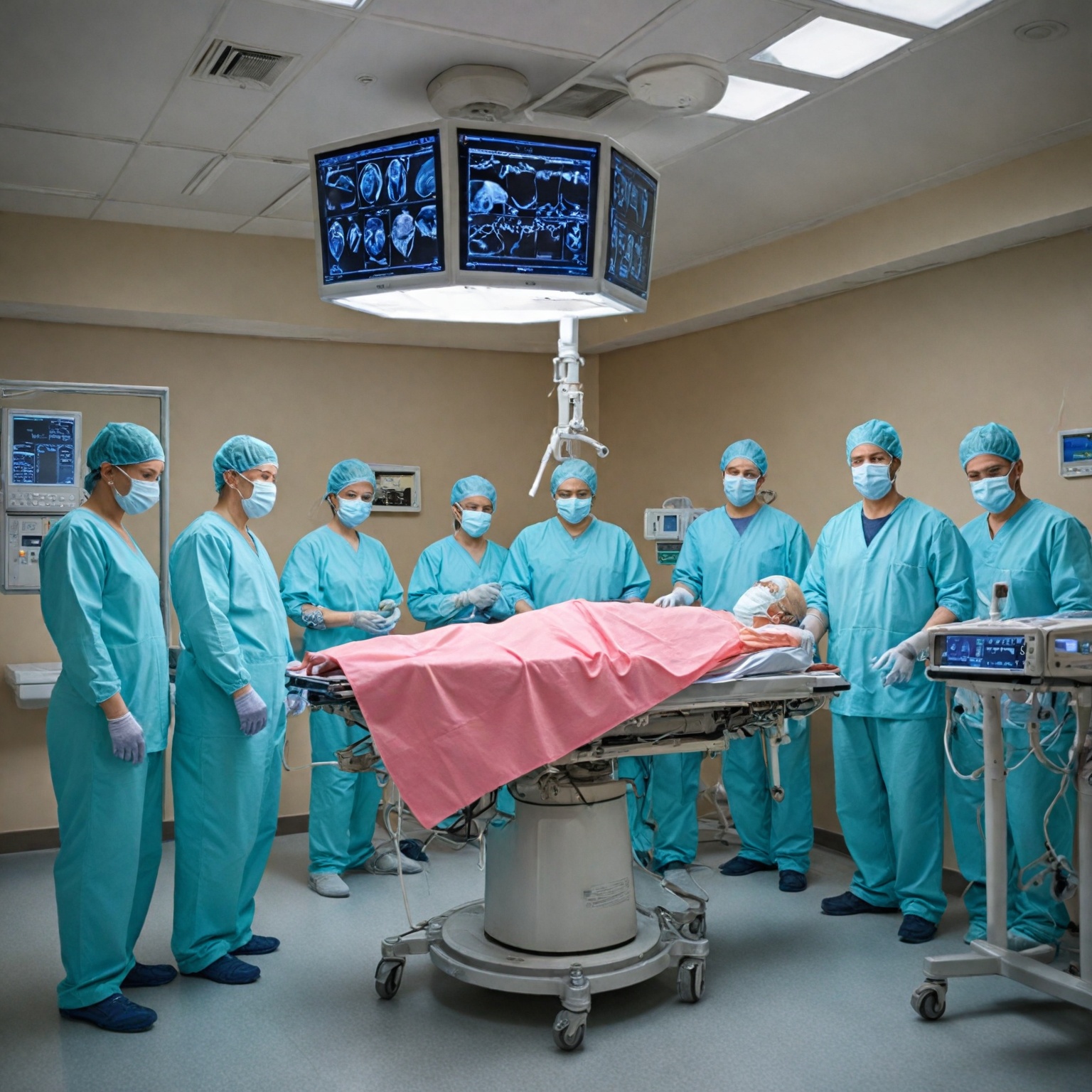
The upcoming clinical trial involves removing the patient’s diseased bladder and replacing it with a donor bladder harvested from a heart-beating, brain-dead individual whose cardiovascular function is maintained on ventilatory support. The surgical steps include isolating the donor bladder with its associated vascular structures—the aorta and inferior vena cava (IVC)—followed by removal of the recipient’s bladder above the ureteral opening without damaging the urethra and ureters. The donor aorta and IVC are then anastomosed to the recipient’s abdominal aorta and IVC using fine microsurgical techniques, and the bladder is sutured in place with meticulous care to ensure vascular integrity and urinary tract continuity.
The procedure is being conducted under rigorous clinical and research standards, with careful post-surgical monitoring to assess graft viability and function. OneLegacy Foundation, a Southern California organ procurement organization, has played a critical role by providing clinical trial funding and facilitating bladder donations through the consent of donor families.
Significance and Challenges
The bladder’s high vascularity and complex anatomy present formidable challenges, which had previously deterred many surgeons from attempting bladder transplantation. Gill’s expertise in robotic surgery and innovative mindset have been essential in overcoming these obstacles, earning him recognition as a fearless pioneer in this domain. The success of this trial could revolutionize treatment options for patients with severe bladder dysfunction caused by congenital anomalies, injury, or cancer, conditions that currently require bladder augmentation using gastrointestinal tissue—a method often associated with significant complications.
The trial aims to enroll approximately 10 patients, with careful candidate selection based on stringent medical criteria to ensure donor-recipient compatibility and optimize outcomes. Already, the research has attracted international interest from patients and clinicians eager to explore this novel treatment.
Postoperative Care and Recovery
Following the groundbreaking first human bladder transplant, postoperative care and recovery protocols adhered strictly to established clinical and research standards to ensure the success and safety of the procedure. The surgical team conducted meticulous monitoring of the transplanted bladder, focusing on maintaining adequate blood flow and assessing tissue viability, which was evidenced by the presence of healthy, pink tissue shortly after transplantation.
Patients undergoing this novel transplantation were closely observed for any signs of complications, with particular attention to the complex vascular structures involved in the pelvic region. The team employed rigorous post-surgical surveillance to promptly identify and address potential issues related to graft integration and function. This careful monitoring was vital given the unprecedented nature of bladder transplantation and the technical challenges inherent to the procedure.
The Keck Medicine of USC team emphasized the importance of multidisciplinary collaboration during the recovery phase, involving urologic surgeons, transplant specialists, and nursing staff to optimize patient outcomes. Such coordinated efforts aimed to support both the physical healing of the bladder and the overall health of the patient, ultimately enhancing quality of life for those with debilitating bladder conditions.
This comprehensive postoperative strategy reflects a pioneering approach that could transform treatment paradigms for bladder dysfunction, moving beyond conventional solutions like neobladder reconstruction, which often involve significant long-term complications. The success of the initial transplant cases and their postoperative management offers promising insights into the feasibility and benefits of bladder transplantation as a therapeutic option.
Significance and Impact
The first successful human bladder transplant represents a landmark achievement in the fields of regenerative medicine and transplant surgery, heralding a new frontier in organ replacement therapies. This groundbreaking procedure not only demonstrated the feasibility of creating functional organs grown from a patient’s own cells but also opened promising avenues for treating congenital and acquired bladder dysfunctions that were previously managed with less optimal methods. Unlike traditional reconstructive approaches, such as ileal urinary diversion, bladder transplantation offers the potential for restoring native bladder function, although it necessitates lifelong immunosuppression.
This advancement is situated within a broader context of tissue engineering, which integrates cell biology, material science, and biomedical engineering to develop alternatives that can restore the structure and function of damaged tissues and organs. The clinical trial leading to this transplant built upon extensive preclinical research, including the development of tissue-engineered bladders seeded with autologous cells, and was supported by rigorous surgical and post-operative protocols that met contemporary clinical standards.
Beyond its technical success, the transplant highlights critical ethical considerations surrounding organ donation and transplantation. While the procedure benefits from living donation and advances in regenerative technology, it also underscores the importance of maintaining voluntary donation practices free from coercion or financial incentives, which remain contentious within the transplant community. The procedure’s success thereby reinforces the essential balance between innovation and ethical responsibility in advancing transplant medicine.
Moreover, the impact of this milestone extends to the potential for developing other bioengineered organs and tissues, as researchers aim to replicate these successes across various organ systems. The transplantation team’s work paves the way for ongoing clinical trials and the future application of regenerative therapies that could significantly improve patient outcomes and quality of life for those suffering from organ failure.
Current Status and Future Prospects
The first human bladder transplant represents a significant milestone in regenerative medicine and urologic surgery. Currently, clinical trials are underway to identify suitable candidates for this pioneering procedure, which involves removing a patient’s diseased bladder and replacing it with a healthy bladder from a deceased donor. The trial aims to enroll approximately 10 patients and is actively screening participants worldwide who suffer from debilitating bladder conditions that severely impact quality of life. These conditions include neurogenic bladder, bladder exstrophy, and other dysfunctions typically treated with neobladder reconstruction using gastrointestinal segments—a method associated with substantial long-term complications.
One of the primary challenges of performing bladder transplants lies in the complex vascular and anatomical structures of the pelvic area, which contribute to the technical difficulty of the surgery. Despite these hurdles, advancements in tissue engineering and regenerative medicine have laid the groundwork for this procedure. Earlier efforts focused on regenerating multilayer urothelium and tissue-engineered bladders created from cell-seeded grafts, as demonstrated in clinical trials dating back to 2006. These developments have emphasized the need for continuous improvements in biomaterials, bioinks, and implantation techniques to optimize reconstructive outcomes.
In addition to donor organ transplantation, parallel research is exploring alternatives such as creating dialysis tubes and other bioengineered tissues from a patient’s own cells, highlighting the potential future of personalized regenerative therapies. The combination of surgical innovation, material science, and cell biology continues to push the boundaries of what is achievable in reconstructive urology and offers hope for patients with few existing treatment options.
Looking forward, the success of these initial clinical trials may pave the way for broader application of bladder transplantation and bioengineered organ replacements. Ethical considerations, patient selection criteria, and donor availability remain critical factors in the allocation and implementation of these novel therapies. As researchers and clinicians collaborate globally, the ongoing advancements promise to transform the management of bladder dysfunction and improve long-term patient outcomes.
Media Coverage and Public Reaction
The groundbreaking procedure of the first human bladder transplant garnered significant media attention and widespread public interest. Major news outlets, including *The New York Times*, covered the story extensively, highlighting the successful transplantation and the patient’s recovery. Oscar Larrainzar, the recipient of the transplant, was featured as he prepared to be discharged from the Ronald Reagan UCLA Medical Center, symbolizing a major milestone in urologic surgery and transplantation medicine.
Within the medical community, the announcement and presentation of the preclinical research results were met with enthusiasm and optimism. When surgeons Nassiri and Gill shared their findings at the American Urological Association’s annual meeting in April 2023, the response was overwhelmingly positive. Audience members and experts expressed amazement, with many describing their reactions simply as “Wow!” The research was widely regarded as a critical and promising first step toward making bladder transplantation a viable treatment option.
However, the rapid development of bladder transplantation has also sparked ethical discussions and concerns in public and professional forums. Issues regarding the fairness of organ distribution systems and the potential risks associated with organ payment markets have been raised. Critics emphasize that financial incentives might compromise the quality of donated organs and could lead to unethical practices, including coercion or exploitation. These concerns underscore the importance of adhering to the core medical ethical principle of “do no harm,” ensuring that organ donation remains a voluntary and altruistic act, solely intended to benefit recipients without inflicting unjustified harm on donors.
Despite these challenges, the clinical trial for bladder transplantation continues to progress, supported by organ procurement organizations such as the OneLegacy Foundation. Their involvement has been crucial in enabling the necessary bladder donations through agreements with donor families, aligning the trial with established clinical and research standards.
Related Procedures and Ongoing Research
Robotic surgery has been central to the preparation and development of the first-in-human bladder transplant. This advanced form of minimally invasive surgery employs a high-definition, three-dimensional camera to guide a robotic system, enabling surgeons to perform operations with smaller, more precise incisions and greater dexterity compared to traditional hand-held instruments. Gill, Nassiri, and their colleagues have extensively practiced numerous research procedures, including the first-ever robotic bladder retrievals and transplantations in recently deceased donors maintained on ventilator support, adhering to current clinical and research standards.
Beyond robotic-assisted transplantation, significant advancements have been made in tissue engineering and regenerative medicine related to bladder reconstruction. For instance, biopsied bladder cells have been cultured on biodegradable scaffolds where smooth muscle cells form the outer layer and epithelial cells line the interior, creating fully grown bladders in vitro over seven to eight weeks. These engineered bladders can then be transplanted and integrated with the patient’s existing bladder to enlarge the organ. This approach reflects the broader potential of tissue engineering, which combines cell biology, transplantation techniques, material science, and biomedical engineering to restore damaged tissues and organs.
Globally, vascularized composite bladder allograft transplantation is an area of active investigation, particularly for patients with end-stage non-oncological bladder conditions or congenital bladder pathologies. Theoretical benefits of such transplantation have driven ongoing research to optimize surgical techniques and immunological management in humans. In animal models, innovative vascularized transplantation methods have been developed, such as heterotopic bladder transplants in rats, to better understand the complexities of bladder vascularization and function after transplantation[
The content is provided by Blake Sterling, Lifelong Health Tips