Summary
The tomato (Solanum lycopersicum) is a fruit native to South America, commonly consumed as a vegetable, that carries a myriad of health benefits. It is rich in essential vitamins, minerals, and antioxidants, including Vitamin C, potassium, Vitamin K1, beta carotene, naringenin, and chlorogenic acid. Its most notable compound is lycopene, an antioxidant linked to various health benefits such as reducing the risk of heart disease and certain types of cancer. The nutritional content of tomatoes can be influenced by the method of cooking and dietary combinations, emphasizing the importance of optimal culinary techniques.
The cultivation of tomatoes, while requiring careful practices to maximize yield and quality, has raised sustainability concerns due to the non-biodegradable substrates commonly used in the process. The plants are susceptible to several diseases and pests, warranting the use of effective disease prevention and pest control methods.
Notwithstanding the numerous health benefits of tomatoes, there are certain precautions to take when consuming them or using them for health purposes, including awareness of potential toxicity from pesticides and recognition of limitations in its effects on certain health conditions like arthritis.
Extensive research has been conducted into the health advantages of tomatoes, particularly focusing on the potential cancer-preventing properties of lycopene. Multiple studies and institutions, including the American Institute for Cancer Research, have acknowledged the importance of incorporating lycopene-rich tomatoes into diets for cancer prevention.
History and Cultivation
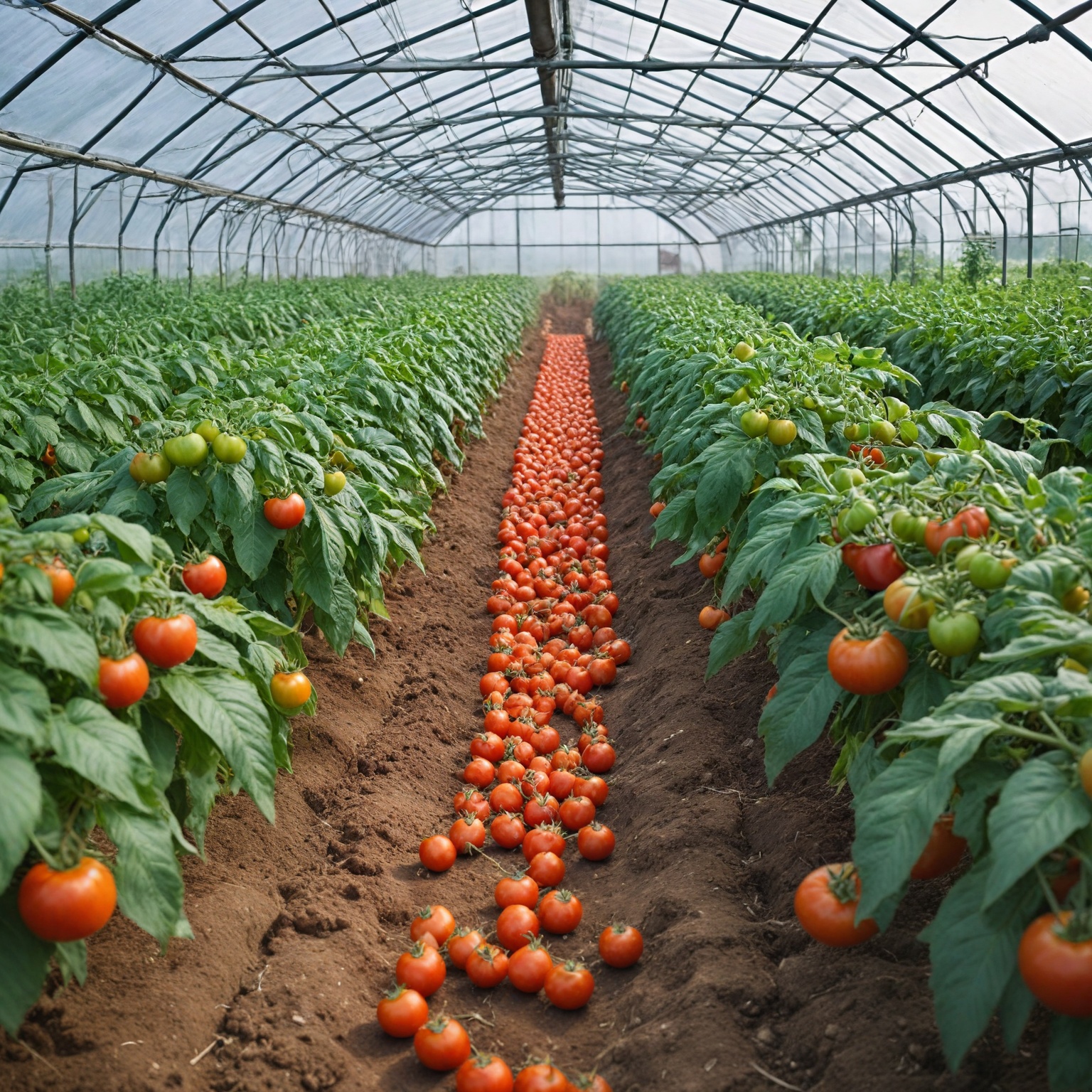
The tomato (Solanum lycopersicum) is a fruit from the nightshade family native to South America. Despite botanically being a fruit, it’s generally eaten and prepared like a vegetable. Tomatoes have a rich history of cultivation, with a breadth of knowledge spanning landscape management, indoor and greenhouse growing, and ecological plant selection. With nearly 15 years in the industry, cultivation practices have been refined to improve both the yield and quality of the fruit.
In terms of cultivation requirements, tomatoes are typically grown in full sun, requiring six to eight hours of sunlight daily. In extremely hot conditions, morning sun and light afternoon shade is sufficient. Although the plants will grow in predominantly shady areas, the production of fruit is severely limited. The soil for tomato plants should be well-drained and slightly acidic with a pH of 6.2 to 6.8. Excess nitrogen can result in plants with lush, vigorous foliage but little fruit production.
It should be noted that some common substrates used for tomato cultivation such as rockwool and perlite require large amounts of energy to manufacture and are not biodegradable, making them less sustainable. Peat, another common substrate, is also known to be unsustainable for crop cultivation due to its harvesting effects on wetland ecosystems. However, research is currently focused on the use of sustainable substrates such as wood fibres, bark, or recycled waste products from industries for sustainable cultivation practices.
Weed competition can be a significant challenge in tomato cultivation, especially in hot and humid tropics. Weeds should be slashed close to the ground between rows of tomatoes to control weed growth. These slashed weeds can be left as mulch on the soil to help prevent erosion, lower soil temperature, and conserve soil moisture.
Tomato plants are also prone to a variety of diseases and pests. Examples include the tobacco mosaic virus (TMV), tomato mosaic virus (ToMV), and flea beetles, which can cause significant damage to the plants. Leafminer natural enemies normally keep populations under control, and cultural control methods such as mulching and practicing rotation away from tomato can help to reduce losses from diseases like buckeye rot. It is also advisable to apply a tomato fungicide at the first sign of infection or when weather conditions are favorable for disease development.
Through such thorough cultivation and disease prevention practices, tomatoes can be grown successfully to yield delicious, ripe fruit that comes in a variety of types, including cherry, grape, and Roma tomatoes.
Nutritional Content
Tomatoes are an excellent source of various essential vitamins, minerals, and antioxidants. One medium-sized tomato can provide about 28% of the Reference Daily Intake (RDI) of Vitamin C, a vital nutrient and antioxidant. Vitamin C is water-soluble and temperature-sensitive, which means it can easily be degraded during cooking, particularly with methods like boiling.
In addition to Vitamin C, tomatoes are also rich in potassium, an essential mineral that is beneficial for blood pressure control and heart disease prevention. They also contain Vitamin K1, also known as phylloquinone, which plays an important role in blood clotting and bone health.
Beta carotene, an antioxidant that often gives foods a yellow or orange hue, is found in tomatoes. This compound is converted into vitamin A in the body. Additionally, tomatoes contain naringenin, a flavonoid found in the skin of the fruit, which has been shown to decrease inflammation and protect against various diseases. They also contain chlorogenic acid, a powerful antioxidant compound that may lower blood pressure in people with elevated levels.
One of the major antioxidants found in tomatoes is lycopene, which has been linked to many health benefits, including reduced risk of heart disease and cancer. Lycopene is often associated with reduced risk of prostate cancer, and is frequently sought after as a dietary supplement for its potential anti-cancer properties. Research continues to investigate the potential of lycopene in cancer prevention and treatment, with some studies examining its immunomodulatory effects and anti-inflammatory properties.
It’s important to note that the method of cooking can impact the nutrient content of tomatoes. For instance, boiling has been found to cause significant losses of Vitamin C. On the other hand, eating tomatoes with a healthy fat, like avocado or extra virgin olive oil, can boost lycopene absorption. Therefore, optimizing cooking methods and dietary combinations can help maximize the nutritional benefits derived from tomatoes.
Health Benefits
Tomatoes are a rich source of several nutrients and bioactive compounds, including the antioxidant lycopene, that contribute to various health benefits.
Cardiovascular Health
Tomatoes, being a significant source of lycopene, vitamins B and E, and antioxidants like flavonoids, may boost heart health. Studies suggest that lycopene may help lower levels of LDL cholesterol and blood pressure, thereby reducing the risk of heart disease.
Cancer Prevention
The preventive potential of lycopene in several types of cancer, including ovarian, cervical, and breast cancer has been observed. Lycopene is suggested to regulate the activities of anti-oncogenes such as p53 and Rb, inhibit certain phases of the cell cycle, and decrease tumor growth and metastasis. Lycopene also suppresses proinflammatory cytokines, which may contribute to its anti-cancer activity.
Eye Health
Tomatoes contain lutein and zeaxanthin, which may protect the eyes from the blue light emitted by digital devices. They may also help prevent age-related macular degeneration, a leading cause of blindness in the U.S.
Oral Health
Research has shown that lycopene may also help with gum diseases such as gingivitis and periodontitis.
Skin Health
Tomatoes are beneficial for skin health due to the antioxidant properties of lycopene, which combats oxidative stress in the body, thus neutralizing harmful free radicals that damage cells and accelerate aging.
Risks and Precautions
While tomatoes have various health benefits, it’s important to take certain precautions when consuming them or using them for health purposes. First and foremost, always opt for less toxic alternatives when using sprays for pest and disease control on tomato plants. Sprays with insecticidal soap, horticultural oil, neem oil extract, spinosad, Bacillus thuringiensis (B.t.), or botanical oils can be effective in controlling many small insect pests and mites that can affect the health of these plants.
When signs of infection are detected in tomatoes or when the weather conditions are favorable for disease to develop, a tomato fungicide should be applied. Affected plants should not be composted to avoid spreading the disease. Good gardening practices such as watering at the soil level, mulching, keeping adequate space between plants and rows, using stakes, and maintaining good weed control can help prevent early blight.
Tomatoes are often associated with myths regarding their role in the worsening or easing of arthritis symptoms. However, it’s crucial to remember that arthritis currently has no known cure and the consumption or elimination of tomatoes from one’s diet is unlikely to have a significant impact on arthritis symptoms.
Finally, while the antioxidant lycopene found in tomatoes has been associated with several health benefits, it’s important to consider the fact that its biological effects in humans have been attributed to mechanisms other than vitamin A. This is due to lycopene lacking the β-ionone ring structure required for the formation of vitamin A. Therefore, tomatoes should not be solely relied upon as a source of this essential vitamin.
In Culinary Use
The culinary methods used to cook foods can significantly influence their nutritional value and, consequently, their health benefits. This is particularly true for tomatoes, where specific cooking techniques can enhance their nutritional benefits. For instance, the heat used in cooking tomatoes can improve the body’s ability to utilize their nutrients.
Techniques to Retain Nutrients
While cooking improves digestion and absorption of many nutrients, it may also lead to a reduction in some vitamins and minerals. Consequently, cooking techniques that allow for less nutrient loss are preferable. Such techniques should ideally not require the addition of large quantities of fat.
### Grilling
Grilling is a cooking method that can preserve both water-soluble vitamins, such as vitamins C and B, and fat-soluble vitamins, such as vitamins A and E. Grilling also creates a caramelized crust on the food surface, enhancing its flavor and texture while protecting the interior from excessive heat and moisture loss.
### Poaching or Boiling with Minimal Water
Using as little water as possible when poaching or boiling is another effective way to reduce nutrient loss.
### Creating Healthy Alternatives to Commercial Tomato-Based Sauces
Creating homemade versions of tomato-based sauces, such as ketchup and barbecue sauce, can help ensure that the sauces are not overloaded with sugar, salt, and preservatives. Such homemade sauces can be beneficial as the cooking process makes the nutrients in tomatoes easier for the body to use. Moreover, the addition of a touch of olive oil can further aid nutrient absorption.
Recent Research and Studies
In recent years, numerous studies have been conducted to evaluate the health benefits of tomatoes, particularly their high lycopene content. A review of these studies aimed to examine the role of lycopene in cancer prevention and treatment. This review incorporated 72 studies, both human and animal, and divided them into four categories based on content: human studies relating to cancer treatment, prevention, or with other endpoints predominantly concerning the mechanism of lycopene action, and animal research.
Additional studies have focused on the benefits of lycopene in treating periodontal disease, indicating potential health-promoting effects of tomatoes for biofortified food. Research has also demonstrated that tomato juice could prevent the development of emphysema induced by chronic exposure to tobacco smoke.
Moreover, a study in the Journal of Oral Pathology and Medicine reported potential benefits of lycopene in the prevention and treatment of oral cancer and precancerous lesions.
Furthermore, the American Institute for Cancer Research (AICR) acknowledges tomatoes as a significant source of lycopene, a red-colored phytochemical that is a type of carotenoid. AICR advocates for the incorporation of lycopene-rich tomatoes into diets for cancer prevention, offering 10 Cancer Prevention Recommendations based on the latest research. These studies highlight the extensive research done to uncover the potential health benefits of tomatoes and their lycopene content.
The content is provided by Sierra Knightley, Lifelong Health Tips