Summary
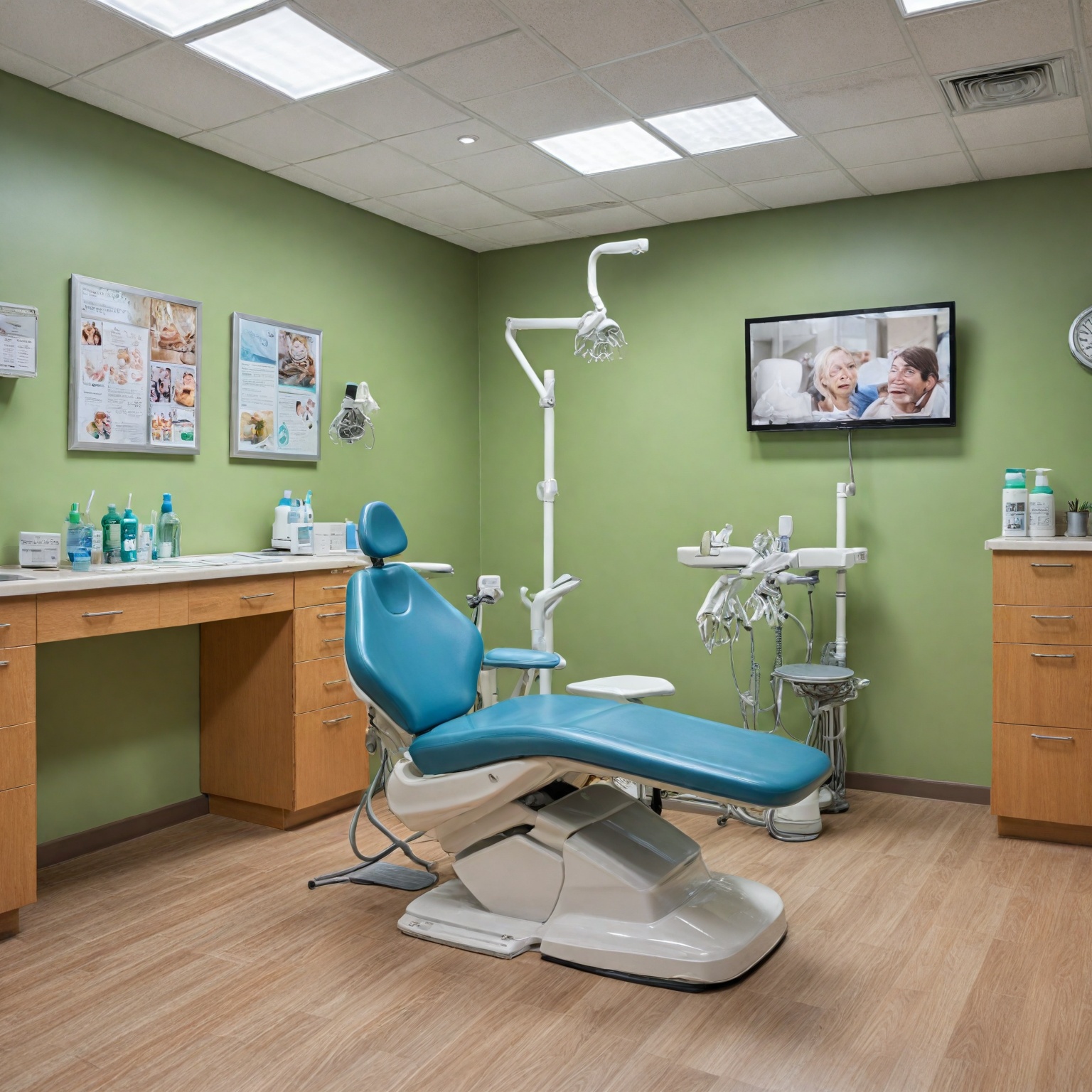
Enhancing Dental Wellness for Individuals with Special Needs is a significant area of focus within the dental community. These individuals, who may face physical, intellectual, or mental disabilities, often require modifications to traditional dental treatment plans to accommodate their unique needs. As such, the approach to dental care for special needs patients must ensure their comfort and accessibility. Dental professionals have an important role in understanding and supporting these individuals’ specific needs, often necessitating specialized equipment, services, or programs. Despite advancements, challenges persist in dental care for special needs patients due to physical limitations, behavioral intolerance of care, and difficulty following instructions. It is therefore crucial that dental health professionals are prepared to accommodate individuals with special needs irrespective of their disability.
Understanding Special Needs
Individuals with special needs are those who are disabled due to physical limitations, medical complications, developmental problems, and cognitive impairments. These disabilities might be congenital, traumatic, physiological, systemic, acquired, hereditary, mental, sensory, emotional, and/or behavioral in nature. Such individuals may require medical management or the use of specialized equipment, services, or programs. The term “special needs” is used for people with physical, intellectual, or mental conditions that also require health care and services of a type or quantity beyond the common requirements.
Providing dental care to these individuals often requires modifications to traditional treatment plans. Even though many dentists can accommodate patients with special needs, there could still be challenges if the patient is unable to behaviorally tolerate care, follow instructions, or transfer to a dental chair.
Some patients with special needs may require special equipment to perform regular dental hygiene practices, such as mouth props, pillows, bite sticks, reshaped toothbrush handles, among others. Special needs dentistry involves unique approaches to dental care for patients with medical, physical, or psychological circumstances.
Understanding a patient’s medical history plays a critical role in providing optimal care and treatment. Complete information about the patient’s medical background, medication consumption, level of communication, daily functions they can perform individually, and behavior problems at home or in the institution should be obtained from the parents or caregivers.
Oral hygiene practices like tooth brushing, which require manual dexterity, may not be adequately performed due to varying degrees of motor dysfunction and cognitive deficiencies in these individuals. However, the best oral hygiene routine is one that the patient can practice consistently. Personalized oral health regimen should be discussed with the dentist to meet the needs of the patient. When shopping for oral health products, looking for the American Dental Association’s Seal of Acceptance could help ensure the product’s safety and effectiveness.
Given the challenges that individuals with special needs face in accessing dental care, it is crucial that dental health professionals be prepared to accommodate them regardless of their type of disability.
The Importance of Dental Wellness
Dental wellness is a critical facet of overall health and well-being. Good oral hygiene, which involves regular dental care, can result in numerous benefits such as healthier teeth and gums, an attractive smile, fresher breath, and a reduced need for more intensive dental procedures such as fillings, crowns, bridges, implants, or dentures.
Despite the essential nature of dental care, individuals with special needs often encounter challenges in accessing appropriate treatments. These individuals may have conditions such as Autism Spectrum Disorder, Alzheimer’s disease, Down syndrome, and spinal cord injuries, among others, which can complicate the execution of standard dental procedures. Additionally, the prioritization of medical health over dental health by the patient or their caregiver, variations in dental benefits provided by Medicaid, and the varying availability of dentists from state to state may exacerbate the issue of unmet dental needs among these individuals.
For individuals with special needs, overcoming these financial and administrative barriers to dental care becomes crucial. Moreover, special needs dentistry has evolved to incorporate unique approaches that cater to patients with various medical, physical, or psychological circumstances. This branch of dentistry ensures the provision of quality dental care to all individuals, irrespective of their conditions. Accommodations may include special services and equipment, trained staff, and a conducive dental environment.
Therefore, enhancing dental wellness among individuals with special needs not only involves improving access to dental care but also includes bridging knowledge gaps to manage oral health effectively and making dental care more accessible.
Specialized Dental Care for Individuals with Special Needs
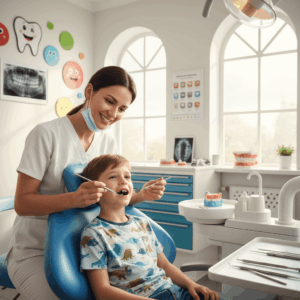
The accessibility of dental care can be challenging for some patients due to physical limitations. Therefore, dental offices are required to be wheelchair accessible to comply with the Americans with Disabilities Act. In addition, dental professionals can help patients in wheelchairs navigate throughout the dental office and modify the operatories to accommodate patients’ needs.
Prior to dental treatment, healthcare providers must understand the patient’s medical and dental history. This aids in the creation of a comprehensive plan designed to make the patient’s experience simple, relaxing, and safe.
The dental team must also be knowledgeable about assistive devices that can help special needs patients perform good home care. Having a complete, accurate and current medical history is crucial when treating patients with special needs. This helps in identifying any special techniques or accommodations that might make treatment a more positive experience for the special needs patient. Adjustments in light and sound levels can be made to accommodate patients with sensory issues, and family members or caregivers can assist in practicing daily tooth brushing at home.
However, it is not just the physical environment and practices that need to be adjusted. Administrative and financial barriers to dental care also need to be overcome. A holistic approach is necessary, involving all health providers, family, and caregivers. This helps ensure that everyone involved is aware, motivated, and informed on oral health issues and can contribute to a better access system to the dental care structure.
Specialized Dental Treatments and Procedures for Individuals with Special Needs
Special needs dentistry, also known as special care dentistry, adopts unique approaches for patients with medical, physical, or psychological conditions to ensure quality dental care. These patients may require health care and services that go beyond common requirements due to their special needs. Special needs dentistry involves oral hygiene practices, behavioral management techniques, and modification of dental procedures to accommodate patients’ unique needs.
Oral Hygiene Practices
Patients and caregivers are informed about various oral hygiene practices and modifications tailored to their specific needs. The dental team provides crucial knowledge about assistive devices that can help special needs patients perform good home care. They may also guide patients on utilizing special equipment, such as mouth props, bite sticks, reshaped toothbrush handles, and other aids designed to facilitate their regular dental hygiene practices.
Behavioral Management Techniques
Behavioral management techniques, such as positive reinforcement of hygiene instructions, distraction techniques using aids like music, and the Tell-Show-Do method, are commonly used for patients with special needs. The Tell-Show-Do method involves dental professionals and staff explaining the procedure, demonstrating what it entails, and then performing the treatment as described and demonstrated.
Modified Dental Procedures
Dental professionals can tailor dental procedures for patients with special needs, regardless of medical or physical impairment. They take into account the patient’s medical history and medications, which is critical for treating patients with special needs. The use of a patient assessment form can help identify any special techniques or accommodations that might make treatment a more positive experience. Providing dental care to these patients may require modifications to the traditional treatment plan.
### Addressing Systemic Barriers
Individuals with special needs often face systemic barriers to dental care, including language differences and understanding dental treatment plans. Dentists should work closely with patients and caregivers to navigate insurance policies and ensure necessary treatments are covered.
Accessibility of Dental Care
Special needs patients can access dental care more easily with help from caregivers and healthcare providers. NIDCR supports research to make dental visits more comfortable for children with Autism Spectrum Disorder (ASD) and other developmental disabilities. Dental professionals need to be aware of the different needs – behavioral, physical, emotional, and cognitive – that a patient with developmental disabilities may have.
Oral Hygiene Routines for Individuals with Special Needs
Oral hygiene is a significant part of overall health and wellness. This remains true for individuals with special needs who may face unique challenges related to oral care. Dental professionals play a critical role in implementing suitable oral hygiene practices for these individuals, employing strategies and devices tailored to their specific needs.
Behavioral management techniques, such as positive reinforcement, distraction using music, and the Tell-Show-Do technique, are frequently used to encourage patients with special needs to adopt good oral hygiene habits. Tell-Show-Do involves explaining, demonstrating, and then performing the dental procedure as described. This approach aims to make the treatment process more familiar and less daunting for the patient.
Various dental tools and aids can help individuals with special needs carry out regular dental hygiene practices. These include mouth props to keep the mouth open, pillows for head elevation, reshaped toothbrush handles, and bite sticks, among others. Dental professionals can adapt dental procedures to accommodate the physical or medical impairments of these patients, ensuring safe and effective treatment.
A person’s physical limitations can pose challenges in accessing dental care. However, by informing caregivers and patients about modifications in oral care and providing them with accommodating dental products, these barriers can be overcome. Some dental offices may not provide the necessary facilities to accommodate individuals with specific physical limitations, making the role of caregivers and their knowledge even more crucial in managing the oral health of these individuals.
Education plays an important role in improving the willingness of dental professionals to treat people with special health care needs. Notably, uncooperative behavior during dental treatments has been identified as a barrier to providing care. Dentists’ perceptions of this issue vary based on their specific practice and educational experience.
Financial factors also affect the accessibility of dental care for individuals with special needs. National health system programs that provide financial coverage for health expenses, as well as organizations like America’s Dentists Care Foundation, are crucial in improving access to dental health services.
It is also important to anticipate the first dental examination in children with special health care needs at a young age, with regular dental recalls scheduled at least every four to six months. Besides, training in oral home care and access to a dentist trained in special needs dentistry can help individuals maintain their dental health.
Consistent good oral hygiene offers a wide range of benefits, such as healthier teeth and gums, fresher breath, and reduced need for extensive dental work. This emphasizes the importance of establishing an oral hygiene routine that can be consistently followed.
Ultimately, oral health is integral to an individual’s overall well-being. Regardless of one’s unique needs, everyone deserves access to quality dental care.
Challenges in Dental Care for Individuals with Special Needs
Physical limitations can pose a significant hurdle as not all dental offices are equipped with facilities that cater to individuals with specific needs. Medical complications, either systemic, acquired, or hereditary, can further complicate dental care for these patients. Cognitive impairments such as mental, sensory, emotional, or behavioral issues can also pose challenges. Such impairments may cause patients to be uncooperative during dental treatments, depending on the dentist’s practices and their educational experience.
Dental care for individuals with special needs often requires special training in oral home care. Finally, there are also financial and administrative barriers to consider. Overcoming these barriers is a significant challenge, with the availability of services dependent on national programs of reimbursement or financial coverage for health expenses. Accessibility may also be hampered by logistical difficulties, such as architectural barriers, public transportation, and problems in scheduling treatments.
Accommodations in Dental Treatments for Individuals with Special Needs
Accommodations in dental treatments for individuals with special needs are crucial to ensure these individuals receive optimal dental care. These accommodations may involve unique approaches, services, equipment, trained staff, and a patient-friendly environment. For instance, individuals with developmental disabilities may require extra appointments or special accommodations which some dentists may be unwilling or unable to provide.
Special needs patients may also need assistance with access to the dental operatory and chair, necessitating special arrangements and patient transfer. Individuals with neuromuscular problems may need longer appointment times due to complications such as persistently rigid or loose chewing muscles, drooling, gagging, or swallowing problems.
To ensure a productive visit, patients are encouraged to fill out their health history in advance of their appointment. A patient assessment form can help identify any special techniques or accommodations that might make treatment a more positive experience for the special needs patient. In addition, the dental team will need to be informed about the patient’s medical history, any medicines they are taking, the name of their family doctor and hospital consultant, and any recent operations or allergies the patient may have.
In some cases, special needs patients may require special equipment to perform regular dental hygiene practices, including mouth props to keep the mouth open, pillows to keep the head elevated, bite sticks, reshaped toothbrush handles, and other items. The dental team should also be knowledgeable about assistive devices to help special needs patients perform good home care.
Moreover, physical accessibility is a key issue. For example, disabled patients may face logistic difficulties in receiving dental care services due to architectural barriers, problems with public transportation, and scheduling issues. To ensure maximum privacy during their visit, these individuals can receive care from special needs dentists in specially designed rooms.
Policy solutions, such as expanding Medicaid dental benefits for the disabled, creating welcoming physical environments, and committing to a new training program, are vital to provide diverse and inclusive opportunities for those with disabilities. However, improving accessibility is not only dependent on the willingness of dentists to treat people with special health care needs, but also on the National Health System’s programs of reimbursement or financial coverage for health expenses.
This form of dentistry, which prioritizes the specific needs of special needs patients, is known as special care dentistry.
Role of Caregivers in Dental Treatments for Individuals with Special Needs
Caregivers play an essential role in the oral health of individuals with special needs, often collaborating closely with dental professionals to ensure optimal health is achieved. The inclusion of caregivers in dental appointments is beneficial in various ways. They provide necessary information on the patient’s medical history and medications, which the dental team may review and discuss with the patient’s medical physicians to offer comprehensive dental care.
Caregivers can also contribute to the discussion on modifications for dental treatments, and preferred appointment timings. Their input can help in tailoring a dental care plan that accommodates the individual’s unique needs and ensures their comfort during dental visits.
In addition to assisting with information and appointment planning, caregivers often act as resources for patients in their daily oral care regimen. They work with dental professionals to bridge the gap in knowledge on how patients can manage their oral health. These collaborations may involve sharing oral hygiene practices, suggestions on oral care modifications, and recommendations on dental products that can accommodate specific needs.
During dental visits, caregivers play a crucial role in reducing the anxiety and fear that special needs patients often experience. Effective communication between the dental team, patients, and caregivers is key in these scenarios.
Moreover, caregivers can work with dentists to navigate insurance policies to ensure that necessary treatments are covered. This collaboration makes dental care more accessible and less daunting for special needs patients and their caregivers.
Current State of Dental Care Accessibility for Individuals with Special Needs
Access to dental care is critical for overall health, but it can be particularly challenging for individuals with special needs. This population may require specific accommodations and support during dental visits to ensure their comfort and accessibility.
Still, individuals with mobility issues may need assistance accessing dental operatory and chairs, requiring special arrangements and potential extended appointment times.
Despite these efforts, there are still considerable financial and administrative barriers to dental care. Accessibility largely depends on national health systems and programs for reimbursement or financial coverage of health expenses. Logistics can also present a challenge, with architectural barriers, public transportation issues, and scheduling complications often arising.
Moreover, individuals with financial difficulties may struggle to afford necessary dental cleaning aids, making it essential for oral health professionals to acknowledge these circumstances and attempt to modify oral hygiene techniques to suit each individual. This tailored approach, aligning with patients’ preferences and cultural backgrounds, can promote a positive attitude towards oral health maintenance.
Addressing Financial Barriers in Dental Care for Individuals with Special Needs
The financial and administrative difficulties faced by individuals with special needs when accessing dental care can be significant. This is due to the unique accommodations, support, and understanding needed by special needs patients during their dental visits. These barriers not only include dental-related fees but also the cost of necessary services such as transportation.
Addressing these barriers involves the introduction of financial assistance programs aimed at providing necessary dental services at reduced or no cost. For instance, America’s Dentists Care Foundation is one organization that supports special needs individuals by facilitating dental clinics nationwide. These clinics provide necessary dental procedures either for free or at a low cost, by working in collaboration with other not-for-profits as well as state and local organizations.
In addition to financial assistance programs, grants aimed at enhancing dental services for individuals with special needs are also essential. DentaQuest, for instance, offers dental grants and funding to community health centers around Pennsylvania to improve access to dental services for those in need. The program is particularly beneficial to individuals requiring dental implant grants or funding for cosmetic dentistry.
Role of Advocacy Groups in Enhancing Dental Care Accessibility
Advocacy groups play a crucial role in addressing the challenges faced by individuals with special needs in accessing dental care services. Groups such as the American Dental Association (ADA) and the California Dental Association (CDA) have made significant strides in improving the dental care landscape for underserved populations.
The ADA, for instance, has been instrumental in introducing over 150 bills and regulations aimed at expanding the oral health care workforce, improving access to dental care for underserved populations including veterans, and overcoming financial and administrative barriers to dental care.
The CDA, on the other hand, has focused its efforts on enhancing oral health and promoting the profession of dentistry, particularly among the underserved Californians. They work at both the state and federal levels to create policies that will protect and maintain oral health, patient care, and dental practices.
In addition to legislative efforts, these advocacy groups underscore the importance of inclusion in follow-up programs, increased specialized dental training courses, and continued research to understand the needs of people with disabilities in order to enhance their oral health conditions. These interventions, complemented by public health measures that address socioeconomic factors and individual decision-making influences, could have the most significant population impact and could lead to the desired result of better oral health for all.
However, it’s important to note that accessibility to dental health services is also influenced by the National Health System. The existence of national programs for reimbursement or financial coverage for health expenses, as well as logistic considerations such as architectural barriers and issues with public transportation, are significant factors that affect access to dental health services for patients with disabilities.
Proactive Preparations
Special needs patients and their caregivers can make dental care less daunting with some practical tips and strategies. They are advised to prepare in advance by explaining what to expect during the visit, using visual aids or social stories. Bringing sensory comfort items, such as headphones or a favorite blanket, can make the patient feel more relaxed during the appointment. Despite the challenges faced, individuals with special needs can maintain optimal oral health with specialized treatments and procedures, appropriate resources, and supportive care.
The content is provided by Sierra Knightley, Lifelong Health Tips