Summary
Unlock the Secret to Perfect Oral Health for Everyone explores comprehensive strategies, evidence-based practices, and public health approaches essential to achieving and maintaining optimal oral health across the lifespan. Oral health is a fundamental aspect of overall well-being, influencing not only the ability to eat, speak, and socialize but also impacting systemic health, with poor oral hygiene linked to major noncommunicable diseases such as cardiovascular disease and diabetes. Despite its importance, oral health disparities persist globally and within countries due to social, economic, and political determinants that limit access to care for vulnerable populations.
This topic is notable for its multifaceted nature, integrating daily personal hygiene routines—such as proper brushing, flossing, and selective use of antimicrobial mouthwashes—with professional preventive dental care including fluoride treatments and sealants. Nutrition also plays a critical role, where diets high in sugars increase the risk of dental caries, while consumption of fruits, vegetables, and key vitamins supports oral tissue health and disease prevention. Advances in preventive dentistry and public health interventions, such as community water fluoridation, have demonstrated effectiveness in reducing oral disease burden at the population level.
Addressing oral health requires acknowledging and overcoming persistent myths and misconceptions, such as the undervaluation of preventive care or the erroneous belief that oral health concerns are isolated to the mouth alone. Moreover, tackling entrenched social determinants—such as economic inequality, geographic barriers, and racial disparities—is crucial for equitable oral health outcomes. Innovative whole-system approaches that combine individual behavior change with policy and community-based strategies are essential to unlock perfect oral health for everyone, emphasizing prevention, early detection, and sustained care.
Controversies in the field include debates over the safety and efficacy of certain antimicrobial mouthwashes, concerns about alcohol-containing rinses, and the balance between mechanical and chemical plaque control. Additionally, the optimal timing and cost-effectiveness of some preventive interventions, particularly for children, remain under study. Continued research and public health efforts aim to refine these strategies while expanding access and education to reduce oral health disparities worldwide.
Importance of Oral Health
Oral health is a critical component of overall health and well-being, significantly influencing an individual’s quality of life. It encompasses physiological, social, and psychological attributes that affect daily functioning and personal adaptation to various circumstances. Good oral health enables people to enjoy life fully, facilitating essential functions such as eating, speaking, and social interaction.
Beyond the mouth, oral health has a profound impact on general health. There is a well-established relationship between oral conditions and major noncommunicable diseases (NCDs), where poor oral health can both exacerbate and be influenced by systemic health issues. The most common oral diseases, including tooth decay and periodontal disease, share modifiable risk factors such as high sugar intake, tobacco and alcohol use, and poor hygiene—factors that also contribute to other chronic diseases. Preventing and treating oral diseases early is crucial, as most cases are largely preventable and manageable with appropriate care.
Furthermore, oral health disparities are deeply rooted in broader political, social, economic, and cultural determinants. These social determinants of health, such as access to dental insurance, economic inequality, and spatial segregation, create significant barriers to achieving optimal oral health, especially among vulnerable populations including African Americans, Latinos, and new immigrants. National policies and systemic factors shape the environments where people live, work, and age, influencing oral health outcomes and access to care at the population level.
Essential Practices for Perfect Oral Health
Good oral health is fundamental to overall well-being and quality of life, allowing individuals to enjoy everyday activities without discomfort or embarrassment. Achieving and maintaining perfect oral health requires consistent and effective preventative care practices that can reduce the risk of common oral diseases such as cavities, gum disease, and halitosis.
Daily Oral Hygiene Routine
A cornerstone of perfect oral health is a thorough daily oral hygiene routine. Brushing teeth at least twice a day with fluoride toothpaste and a soft-bristled toothbrush helps remove plaque and bacteria that accumulate on tooth surfaces. It is recommended to hold the toothbrush at a 45-degree angle to the gums to efficiently sweep away plaque along the gum line and to brush all tooth surfaces, including backs and sides. Flossing once daily is essential for cleaning the areas between teeth and under the gumline, where plaque can easily build up and cause inflammation or decay. The choice of flossing method—string floss, interdental brushes, or water flossers—should be based on personal comfort and effectiveness to ensure consistency, as all can be effective when used regularly.
Use of Antimicrobial Mouthwashes
In addition to mechanical cleaning, using antimicrobial mouthwashes can help reduce dental plaque and gingival inflammation. Mouthwashes containing agents such as chlorhexidine, cetylpyridinium chloride, or essential oils have demonstrated clinical effectiveness when used adjunctively alongside brushing and flossing. It is important to select alcohol-free formulations to prevent dry mouth and maximize oral health benefits. However, mouthwashes should not replace mechanical cleaning but serve as a complementary practice, particularly in individuals with higher risk of periodontal disease or dental caries.
Professional Dental Care and Prevention
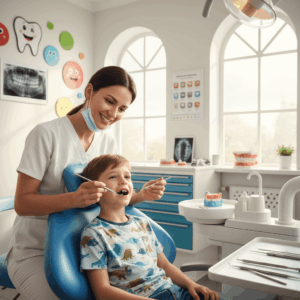
Regular dental visits for examinations and professional cleanings are critical to maintain oral health and prevent the progression of oral diseases. Dentists can detect early signs of problems, provide treatments such as fluoride applications, and offer personalized advice on oral care. Additionally, community-based oral health promotion programs that combine education with supervised toothbrushing and preventive care have shown promise in reducing dental caries, especially among children.
Additional Recommendations
While consumer plaque scrapers are widely available, their use without professional guidance is not advised due to the risk of damaging gums and tooth enamel. Instead, proper brushing, flossing, and professional cleanings remain the safest and most effective ways to manage plaque. Furthermore, ensuring access to affordable healthy foods across all ages supports oral health by providing necessary nutrients and reducing exposure to cariogenic diets.
By incorporating these essential practices—consistent daily hygiene, appropriate use of mouthwash, regular professional dental care, and a healthy diet—individuals can unlock the secret to perfect oral health for every stage of life.
Nutrition and Oral Health
Nutrition plays a crucial role in the development, maintenance, and overall health of the oral cavity. Both diet and specific nutrients influence the risk and progression of various oral diseases, including dental caries, periodontal disease, and mucosal conditions. Diet refers to the types of foods consumed, while nutrition encompasses the intake of macro- (carbohydrates, proteins, fats) and micronutrients (vitamins and minerals) that affect bodily and oral health.
A bidirectional relationship exists between diet, nutrition, and oral health: nutritional intake affects the tissues of the mouth, while oral health status can influence food choices and nutrient consumption. For example, the consumption of free sugars is strongly associated with an increased risk of dental caries, contributing to one of the most common chronic diseases worldwide. Consequently, reducing sugar-sweetened beverage intake and limiting free sugar consumption are important strategies for oral disease prevention.
Conversely, the intake of fruits and vegetables has been associated with protective effects against oral diseases. These foods are high in water and fiber, which help balance their natural sugars and stimulate saliva production—critical for neutralizing acids and cleansing teeth—thereby reducing decay risk. Meta-analyses and large observational studies have shown that increased fruit and vegetable consumption correlates with a lower risk of oral and head and neck cancers.
Certain vitamins and minerals are especially beneficial for oral health. Vitamin C supports the connective tissues of the gums and aids in healing, while vitamin A contributes to immune function, maintains mucous membranes, and promotes saliva production, which helps keep the mouth clean. Vitamin D plays a role in tooth mineralization and reducing inflammation and decay. Additionally, foods like unsweetened yogurt provide calcium essential for strong tooth enamel, and beverages such as green and black tea offer fluoride and anti-inflammatory properties.
Dietary patterns and trends can also impact oral health. Plant-based diets, Mediterranean diets, and others that emphasize whole foods may offer oral health benefits through their nutrient profiles, while some restrictive or fad diets have the potential to negatively affect oral health if they lead to nutrient deficiencies or increased sugar intake.
Furthermore, socioeconomic factors and evolving food consumption patterns—such as increased intake of fast foods, packaged, frozen, and canned products—must be considered when evaluating the influence of diet on oral health, as these changes can alter nutrient intake and oral disease risk.
Preventive Dental Care
Preventive dental care is a modern approach aimed at maintaining a healthy mouth and reducing the need for extensive dental treatments by focusing on early intervention and daily care routines. It encompasses oral hygiene practices designed to stop oral health problems such as cavities, gum disease, and halitosis before they develop. Despite the preventable nature of many oral diseases, a significant portion of the global population continues to suffer from their effects, leading to personal discomfort and high societal costs. This highlights the urgent need for effective, evidence-based preventive strategies to improve oral health and reduce health disparities worldwide.
The World Health Organization (WHO) reports that untreated dental caries remains a major global health burden, influenced by varying risk factors like living conditions, lifestyle, and the extent of oral health promotion programs. One of the major challenges today is the unmet treatment needs among adults, often due to limited access to dental care and insufficient primary prevention efforts. Children are particularly vulnerable, with occlusal surfaces of first permanent molars being the most susceptible to caries. Preventive treatments such as pit and fissure sealants and fluoride varnishes are recommended to protect these vulnerable sites and have shown effectiveness in reducing dental decay among children and adolescents.
Daily oral hygiene is a cornerstone of preventive care and includes thorough brushing and flossing to remove plaque, which is responsible for tooth decay and periodontal disease. Regular removal of plaque using mechanical methods such as dental scalers, as well as interdental cleaners and antibacterial mouthwashes, is essential to prevent plaque from hardening into tartar and causing further damage. While mouthwashes containing agents like chlorhexidine, cetylpyridinium chloride (CPC), and essential oils have demonstrated clinical effectiveness in reducing plaque and gingival inflammation, they should be used as adjuncts to—not substitutes for—mechanical cleaning. CPC-containing mouthwashes have also been noted for their potential in managing halitosis and reducing viral loads, although evidence remains limited for some applications.
Fluoride varnish application is another key preventive measure, especially recommended for children at high risk of cavities. Guidelines suggest professional fluoride treatments at least twice a year to reduce caries incidence effectively. Studies measuring fluoride release have shown that certain fluoride varnishes can recharge sealants on teeth, enhancing their protective effects against decay. Academic education plays a vital role in promoting these evidence-based preventive methods by integrating them into dental curricula, thereby ensuring future dental professionals are well-equipped to advocate for and implement effective oral health strategies.
Oral Health Across the Lifespan
Oral health is a fundamental component of overall health and well-being throughout a person’s life, influencing physical, mental, social, and economic aspects of health. Maintaining good oral health enables individuals to enjoy life and perform essential functions such as eating, speaking, and socializing.
Early Childhood
Early childhood caries (ECC) is one of the most common chronic diseases affecting children worldwide, particularly in the United States. ECC disproportionately impacts children from Black, Mexican-American, Native American, and low-income populations due to social determinants of health and structural barriers to care. The disease can lead to significant morbidity, including pain, infection, and missed school days, while also imposing financial burdens on families through lost workdays and dental treatment costs. Preventive interventions such as fluoride varnishes and pit and fissure sealants have been studied to reduce dental decay in children and adolescents, though their long-term cost-effectiveness and the optimal timing for intervention remain unclear.
Adolescence and School Age
Oral health education during adolescence and childhood shows promising results in improving knowledge and oral hygiene practices. Studies involving school-aged children, adolescents, teachers, and mothers have demonstrated significant reductions in plaque and caries increments following education programs, with follow-up periods ranging from one month to several years. However, challenges remain in sustaining behavioral changes and ensuring equitable access to oral health resources in this population.
Older Adults
Oral health issues are highly prevalent among older adults (≥65 years), including tooth loss, periodontal disease, and dry mouth, which significantly impact their general health and quality of life. Poor oral health in older age is associated with chronic conditions such as disability, cardiovascular disease, and increased mortality risk. Furthermore, oral health and diet have a bidirectional relationship in this population; oral health problems may lead to compromised dietary intake due to food avoidance and altered eating habits, while unhealthy diets can further deteriorate oral health. Research suggests that diets rich in antioxidants and low in saturated fats are linked to better oral health outcomes, including fewer teeth lost. Future studies are encouraged to focus on older individuals living in care homes to better understand and address these complex interactions, ultimately guiding the design of tailored dietary programs to reduce oral health burdens among the elderly.
Lifelong Oral Health Maintenance
Across all life stages, early detection and management of oral health problems are critical to preventing complications. Warning signs such as tooth pain, bleeding gums, loose teeth, or chronic bad breath should prompt timely dental consultation and intervention to eliminate harmful bacteria and improve overall health. Public health strategies including community water fluoridation and school-based sealant programs have been effective in preventing oral diseases on a population level. Emphasis has shifted from a purely surgical model of treating dental caries to a medical model that prioritizes disease prevention and conservation of tooth structure.
Warning Signs and Early Detection
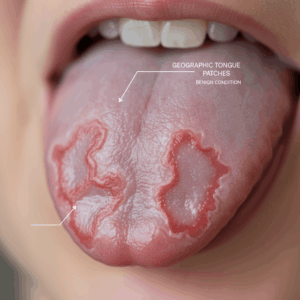
Recognizing warning signs of oral health problems is essential for early detection and timely treatment. Common indicators of poor oral hygiene include tooth pain, bleeding gums, loose teeth, chronic bad breath, gum recession, persistent mouth sores, and swelling of the jaw. Additionally, infections such as gingivostomatitis, caused by certain bacteria or viruses, may also manifest in the mouth. Prompt dental consultation upon noticing these symptoms is crucial to eliminate harmful bacteria and prevent further complications, ultimately benefiting overall health.
Early identification of oral diseases, particularly tooth decay and periodontal disease, can significantly improve treatment outcomes. Good oral hygiene, regular dental visits, a healthy diet, and avoidance of risk factors such as excessive sugar intake and smoking are key to preventing these common conditions.
Community-based oral health promotion interventions, combining education with supervised toothbrushing or professional preventive care, show promise in reducing dental caries among children. Additionally, professional guidance, such as updated recommendations on topical fluoride use by organizations like the American Dental Association, supports effective early detection and management strategies. Maintaining vigilance for warning signs and ensuring early intervention remain critical components in achieving optimal oral health for everyone.
Population-Level Strategies and Public Health Approaches
Population-level strategies and public health approaches are essential for improving oral health outcomes across diverse communities and reducing disparities. These strategies recognize that oral health is influenced not only by individual behaviors but also by broader social, economic, political, and environmental factors.
One foundational public health approach is the adoption of evidence-based health promotion practices that integrate high-quality scientific evidence with local values and available resources. However, effective population health requires more than just evidence-based healthcare; it necessitates policies informed by research but shaped by broader social determinants and systemic considerations. A whole-system approach that encompasses social, cultural, and environmental factors is vital to advancing oral health promotion sustainably.
Preventive dentistry plays a central role in public health by emphasizing maintenance of healthy teeth and minimizing the need for extensive dental treatment through early intervention and routine care. Community-based oral health promotion, such as programs combining oral health education with supervised toothbrushing or professional preventive care, has shown promise in
Advances and Innovations in Oral Health Care
Recent advances in oral health care emphasize a comprehensive and evidence-based approach that integrates social, cultural, and environmental factors within a whole system framework. Innovations extend beyond traditional mechanical plaque removal techniques to include adjunctive chemical agents, such as fluoride-containing toothpastes combined with plaque control agents and chlorhexidine rinses or gels, which have demonstrated efficacy in controlling gingivitis and preventing dental caries.
The development and refinement of antimicrobial mouthwashes also represent a significant area of innovation. However, concerns regarding potential allergic reactions, disruption of the oral microbiota balance, antimicrobial resistance, and environmental impacts have prompted calls for cautious and evidence-based use of these products. Dental practitioners are encouraged to stay informed about emerging clinical trial data and consensus guidelines to optimize patient care while minimizing risks. Alcohol-free antibacterial mouthwashes have been promoted to reduce plaque buildup and maintain oral hygiene without causing dry mouth, which supports daily oral health maintenance.
In addition, preventive public health strategies have evolved to address oral health inequalities and emphasize the social determinants of health. These strategies advocate for systemic changes targeting the root causes of unhealthy behaviors, rather than focusing solely on individual risk factors. This approach is consistent with recommendations from international health organizations and leverages a common risk factor framework to maximize impact across populations.
Emerging adjunctive therapies, such as the use of xylitol, have been investigated, although current evidence regarding their benefit in caries prevention remains of low quality, underscoring the need for further research. Overall, advances in oral health care continue to prioritize evidence-based interventions, multidisciplinary collaboration, and public health integration to improve outcomes and accessibility for vulnerable and underserved populations.
Common Oral Diseases and Their Prevention
Oral diseases are primarily caused by modifiable risk factors that overlap with those of many noncommunicable diseases (NCDs), such as high sugar consumption, tobacco use, alcohol consumption, poor hygiene, and underlying social and commercial determinants. The most prevalent oral health conditions include dental caries (tooth decay), periodontal diseases, tooth loss, and oral cancers, most of which are largely preventable and can be treated effectively in their early stages.
Dental caries is the most common oral disease worldwide, affecting a significant number of children despite advances in dental care. It primarily results from the continued high intake of free sugars, inadequate fluoride exposure, and insufficient plaque removal through toothbrushing. Caries commonly affects the occlusal surfaces of first permanent molars in children, leading to pain, infection, and sometimes tooth loss if untreated. Preventive measures such as the application of sealants and fluoride varnish have been recommended to protect susceptible tooth surfaces.
Periodontal disease involves inflammation and infection of the tissues surrounding and supporting the teeth. It often begins as gingivitis, characterized by bleeding or swollen gums, pain, and sometimes bad breath. If untreated, it can progress to periodontitis, which may result in tooth loss. Maintaining good oral hygiene through effective manual toothbrushing techniques and managing gingivitis are key strategies in the primary prevention of periodontitis.
Oral cancers are linked to risk factors such as alcohol and tobacco use. Although concerns have been raised about the potential risks of alcohol-containing mouthrinses, recent systematic reviews have found no association between their use and oral cancer development when used as directed.
Preventing these oral diseases relies heavily on maintaining good oral hygiene, reducing risk behaviors like excessive sugar intake and smoking, and adopting a healthy lifestyle. Regular dental visits complement these efforts to maintain oral health. Additionally, xylitol-containing products have shown effectiveness in caries prevention by reducing plaque formation, bacterial adherence, and enamel demineralization. The recommended dose of xylitol for preventing dental caries is 6–10 grams per day, and its use as a self-applied preventive agent has been widespread since the first chewing gum designed for this purpose was introduced in Finland in 1975.
Myths and Misconceptions about Oral Health
Oral health is often surrounded by various myths and misconceptions that can hinder effective care and understanding. One common misconception is that oral health only affects the mouth and teeth, when in fact it has significant connections to overall health, including the risk of major noncommunicable diseases such as cardiovascular disease and diabetes. Another widespread myth is that oral health disparities are minimal; however, disparities persist among many groups in the United States, particularly affecting vulnerable and underserved populations.
Additionally, some believe that routine dental visits are unnecessary unless pain is present, overlooking the importance of preventive care and early detection. This misconception contributes to poor oral health outcomes, especially in populations with limited access to care. Efforts by organizations such as the National Academies emphasize improving access to oral health care to address these misunderstandings and reduce disparities. Understanding and dispelling these myths is essential to promoting comprehensive oral health for everyone.
Practical Tips for Maintaining Perfect Oral Health
Maintaining good oral health is essential for enjoying life and overall well-being. To promote perfect oral health, it is important to focus on prevention and make use of available resources at every stage of life. Ensuring access to affordable, healthy foods can support oral health for children, adults, and older adults alike.
For individuals experiencing dry mouth, which can negatively impact oral health, several practical measures can help alleviate symptoms. Drinking plenty of water, chewing sugarless gum, and avoiding tobacco products and alcohol are effective strategies. Additionally, oral health care providers may suggest over-the-counter or prescription medications to improve dry mouth conditions. It is also advisable to consult a doctor or dentist if sudden changes in taste and smell occur.
Caregivers play a vital role in maintaining oral health for those unable to manage their own oral hygiene. Assisting with brushing and flossing ensures that vulnerable individuals receive the necessary care to prevent oral diseases and maintain good oral hygiene.
The content is provided by Blake Sterling, Lifelong Health Tips