Summary
Mint leaves, from the genus Mentha, are widely recognized for their potential health benefits and have been utilized for their medicinal properties throughout history. They have been found to potentially alleviate symptoms of allergies, the common cold, indigestion, and irritable bowel syndrome (IBS), along with various other health conditions. Beyond their health benefits, mint leaves are popularly employed in culinary applications and home remedies, offering a refreshing, aromatic flavor and cool sensation.
Research suggests that peppermint oil, derived from mint leaves, could aid digestive health, including easing belly pain linked to IBS and treating upset stomach and indigestion. Mint leaves are also linked to improved cognitive function and brain health, with potential in treating symptoms of Alzheimer’s and enhancing memory and alertness. Other potential benefits include relief from breastfeeding pain, cold symptoms, and bad breath, along with potential anticancer activity and support for exercise performance. Mint can be consumed in various forms, including fresh, dried, brewed as tea, or concentrated in an essential oil, offering diverse ways to incorporate its benefits into daily life.
Traditionally, mint has been used as a medicinal plant across various cultures, with its usage dating back to ancient Egypt. Modern scientific research continues to study and document the impact of mint on human health, particularly its role in digestive health and relieving IBS. While the medicinal usage of mint is extensive, more human studies are needed to confirm the breadth of its impact on health.
Despite its potential health benefits, mint also has associated side effects and risks, especially when consumed in excess. Adverse effects may include vomiting, headaches, flushing, heartburn, and nausea, along with potential allergic reactions and hepatotoxicity from certain compounds in mint extracts. As such, moderation in consumption and consultation with a healthcare professional is advised for individuals with serious health conditions and pregnant women.
Health Benefits of Mint Leaves
Mint leaves are known for their potential health benefits and have been popularly used as a remedy for various health conditions. They may have a positive effect on allergies, common cold, indigestion, and irritable bowel syndrome (IBS).
Digestive Health
Research suggests that peppermint oil, derived from mint leaves, may ease belly pain associated with irritable bowel syndrome. It is also used to treat other digestive problems such as upset stomach and indigestion. Mint tea has been shown to help with digestion and alleviate irritable bowel symptoms by relaxing the stomach muscles and improving bile flow.
Cognitive Function and Brain Health
Studies suggest that mint extracts could potentially treat Alzheimer’s symptoms. Inhaling peppermint has been shown to enhance cognitive functions, improve memory, and increase alertness. Peppermint tea is also known to enhance memory and reduce stress.
Other Benefits and Uses
Apart from digestive health and cognitive function, mint leaves also have other benefits. They have been found to relieve breastfeeding pain, cold symptoms, and bad breath. They can also improve symptoms of certain digestive conditions, support exercise performance, and potentially fight cancerous tumor cells. Spearmint tea, another derivative of mint leaves, has been shown to improve joint stiffness, reduce excessive hair growth, and help with hormonal imbalances associated with polycystic ovary syndrome (PCOS).
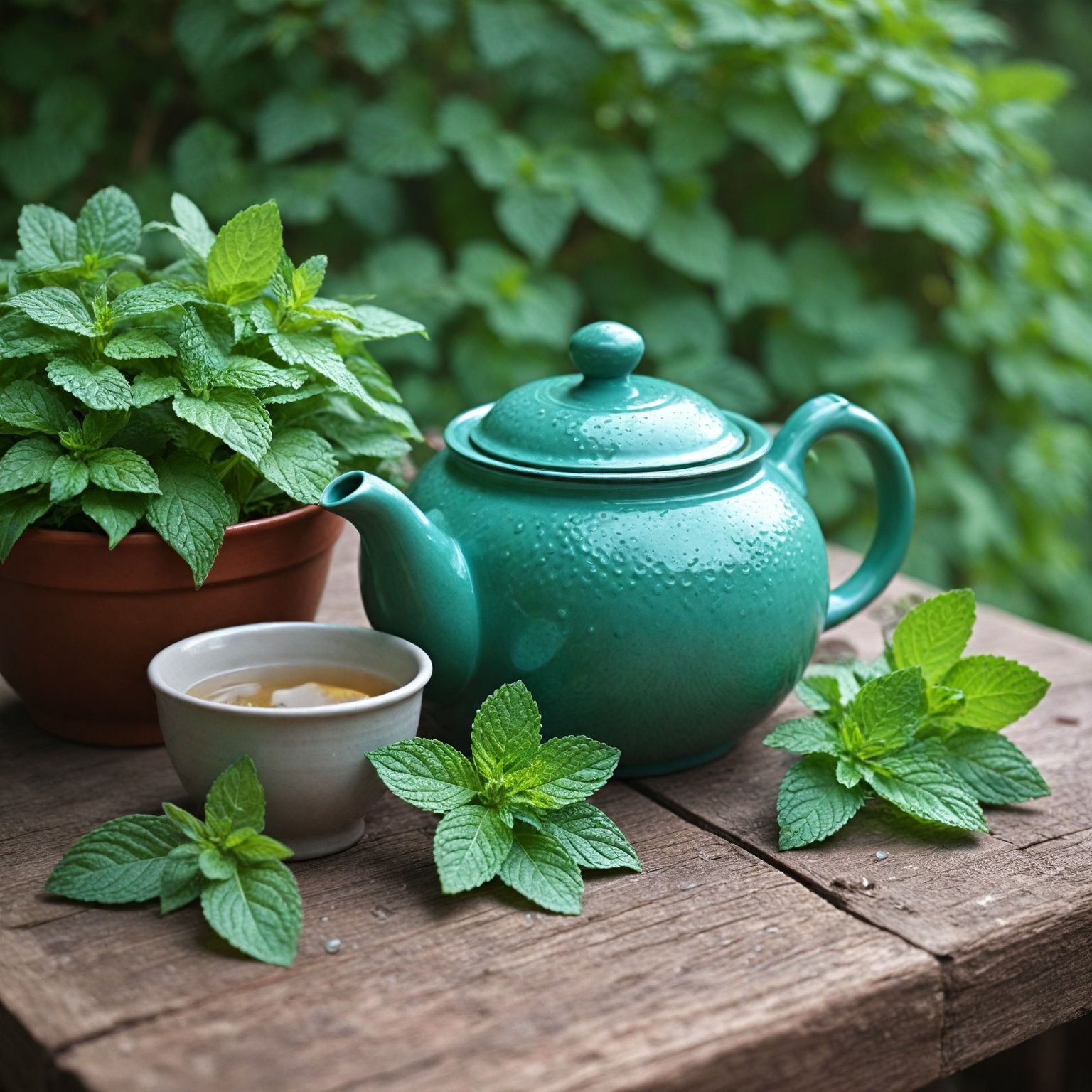
Mint leaves can be easily incorporated into daily life in many forms, from mint tea to flavoring in food, to aromatherapy. They can also be used in bathing water for an invigorating and stress-free soak, or applied to sunburnt skin for pain relief.
While mint has a wide range of benefits, it is also essential to note that overconsumption or inappropriate application (such as peppermint oil on the skin) can cause adverse effects like irritation and rashes. More research is needed to fully understand the long-term effects of regularly consuming mint, and hence it is best consumed in moderation.
Traditional Medicinal Uses of Mint Leaves
Mint has been used in traditional medicine for a broad range of purposes for thousands of years. Its uses can be traced back to ancient Egypt where it was used as a digestive aid and to soothe flatulence. Throughout history, people from various cultures have continued to use different species of mint plants in medicine, with potential health benefits including improving digestive health, reducing allergic symptoms, and soothing common cold symptoms.
All varieties of mint leaves can be used in a variety of ways, such as in their fresh form, dried as a herb, brewed as tea, or concentrated in an essential oil. Despite the extensive traditional usage of mint, there aren’t many human studies documenting its impact on the body, apart from its role in supporting digestion and relieving irritable bowel syndrome. However, preliminary research from animal and in vitro studies suggest that mint leaves could have wider medicinal uses than currently known, including antibacterial properties, stress reduction, and potential anticancer activity.
In addition to its medicinal uses, mint has a wide range of applications around the home and garden. For example, mint can be used in culinary applications, as a mouthwash, and even as a bug repellent.
Scientific Studies on Mint Leaves
Scientific studies on mint leaves have yielded varying results on their potential health benefits. Further studies may reveal that mint leaves can be utilized to treat a broader array of health conditions. When purchasing mint, consumers are advised to look for leaves that are bright and unblemished.
Cultivation of Mint Plants
Mint plants are vigorous growers that need to be contained, or they will spread rapidly throughout your garden. The key to preventing this invasive growth is to contain the plant’s roots. This can be achieved by planting each mint plant in a 10-inch pot with drainage holes, which can then be sunk into the ground or placed into a larger container of soil.
Mints are robust perennials that thrive in light soil with good drainage. They ideally prefer a moist but well-drained site, something akin to their native habitat along stream banks. While most mints will grow in sun or partial shade, variegated types may require some protection from direct sunlight.
Cuttings from the runners of healthy mint plants are an effective way to propagate more mint. The most common and popular mints for commercial cultivation include peppermint (Mentha × piperita), native spearmint (Mentha spicata), Scotch spearmint (Mentha x gracilis), and cornmint (Mentha arvensis). More recently, apple mint (Mentha suaveolens) has gained popularity.
When planting, the entire root ball should be planted in the ground, covered with at least 1 to 2 inches of soil. Mint cuttings or small purchased plants should be spaced 18 inches to 2 feet apart outdoors. Two plants should be enough to cover a few feet of ground, given the fast-growing nature of mint.
While most people worry about having an excess of mint, any herb grown in a pot or that you plan to harvest regularly will need extra nutrition. A time-release fertilizer can be used in the spring when growth begins. If growth slows during the summer, ensuring that the soil remains moist is crucial.
Mint plants have not only been used for centuries in human and veterinary medicine but also as insecticides or insect repellents, and as antifungal or antibacterial protection for crop plants.
Creative Uses of Mint Leaves
Beyond their medicinal uses, mint leaves have numerous culinary applications. They can be added to dishes, either raw or at the end of the cooking process, due to their tender nature and gentle stems. For example, mint leaves are often included in Middle Eastern cuisines such as lamb dishes, soups, and vegetable salads.
Fresh mint leaves can also be used to make beverages like mint limeade, mint water, or mint tea. Mint water is a healthy alternative to sugary drinks and sodas, containing no sugar or caffeine and very few calories. Mint limeade can be prepared by combining lime juice with sugar or stevia and muddled mint leaves.
Beyond food and beverages, mint leaves can be utilized in other creative ways. For instance, they can be frozen into ice cubes, adding a refreshing twist to drinks during the hot summer months.
While mint leaves are popularly used in their fresh form, their dried form is also applicable when storage is not an issue. Mint has a large family of different species, like orange mint, pineapple mint or strawberry mint, each offering their unique flavor profiles.
Potential Side Effects and Risks of Mint
While mint, and its various forms, have several potential health benefits, it is important to note the potential side effects and risks associated with its consumption. Mint supplements, in particular, are generally considered safe, but can lead to dangerous side effects when taken in high doses. The most common side effects reported include vomiting, headaches, flushing, heartburn, and nausea. Furthermore, Mentha piperita and spearmint tea may deprive the human body of iron, potentially leading to anemia if consumed excessively.
One of the compounds found in Mentha piperita oil extracts, pulegone, is hepatotoxic and could have adverse effects on the liver. Some people may also experience allergic reactions to Mentha spicata, commonly known as spearmint. These allergies often manifest as contact cheilitis, which is inflammation of the lips, especially after the use of toothpaste flavored with its essential oil.
It is also worth noting that the use of mint, especially peppermint tea, in pregnant women is still a subject of ongoing research. Some studies have found that mint aroma can help with nausea, vomiting, and anxiety in pregnant women. However, due to the potential risks and lack of comprehensive studies, it is recommended that pregnant women, as well as individuals with liver disease or other serious health conditions, consult with a healthcare professional before consuming mint in any form.
The content is provided by Jordan Fields, Lifelong Health Tips