Summary
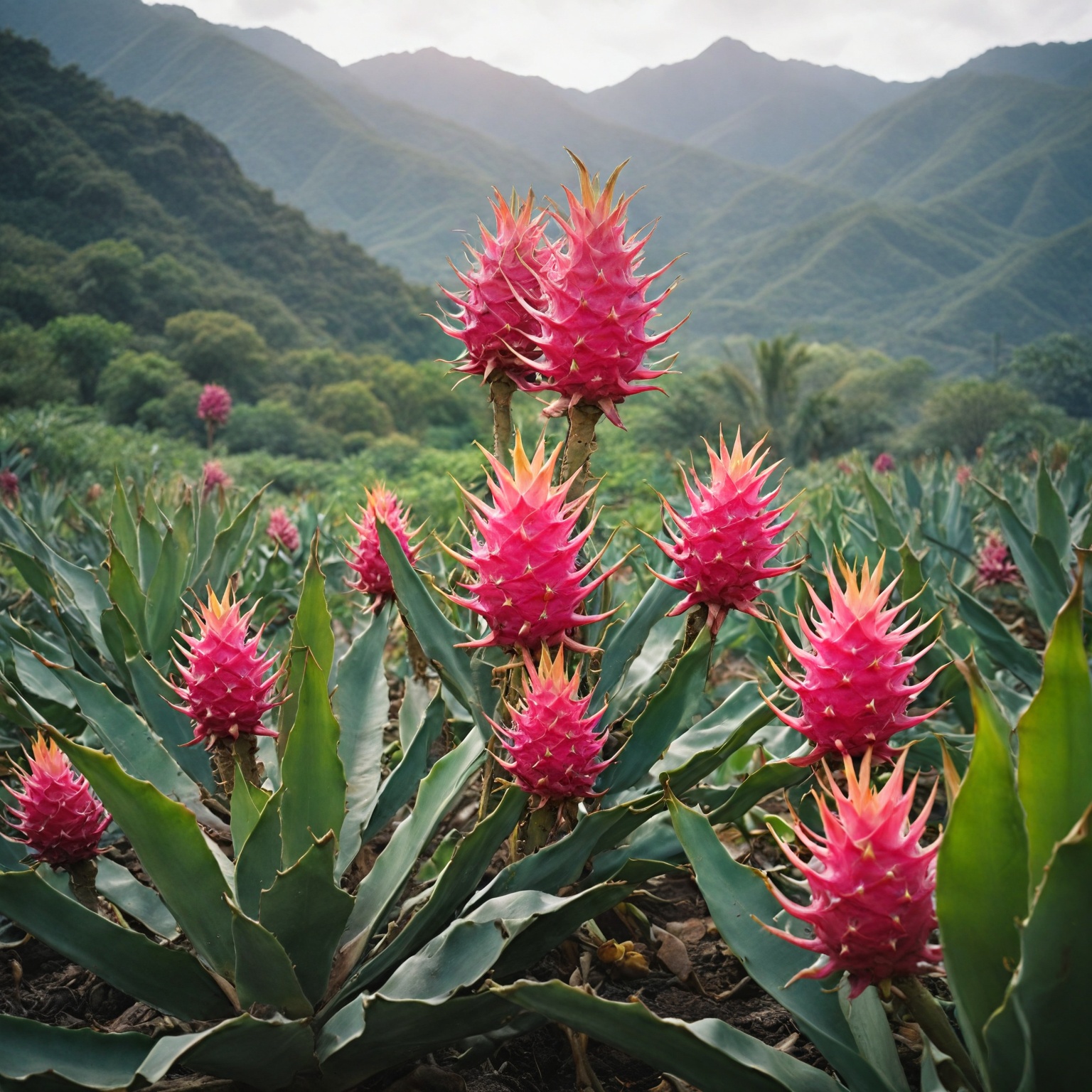
Dragon fruit, also known as pitaya or pitahaya, is the vibrant, edible fruit of several cactus species in the genus *Hylocereus*, native to Central and South America. Renowned for its striking appearance—featuring bright pink or yellow skin with green scales—and sweet, mildly tangy flesh, dragon fruit has gained widespread popularity worldwide for its unique flavor, nutritional benefits, and versatility in culinary uses. Over centuries, it has spread from its indigenous origins to tropical and subtropical regions globally, becoming a significant agricultural crop in countries such as Vietnam, China, and India.
The fruit is notable not only for its appealing taste and aesthetics but also for its rich nutritional profile. Dragon fruit is a source of essential vitamins, minerals, dietary fiber, and antioxidants, including betalains and polyphenols, which contribute to potential health benefits such as improved gut microbiota, antioxidant protection, and metabolic health support. Its bioactive compounds have attracted interest in emerging research fields, including applications in disease prevention and novel therapeutic strategies, although more clinical studies are needed to substantiate these claims.
Cultivation of dragon fruit demands specific climatic and soil conditions typical of tropical and subtropical zones, with challenges including susceptibility to pests, diseases, and temperature extremes. Agricultural practices vary globally, with efforts to optimize yield and quality continuing amid expanding markets. Economically, dragon fruit has become an important export commodity, particularly for Vietnam, which leads global production, and has drawn attention from major food and beverage industries worldwide.
Despite its benefits and growing popularity, dragon fruit consumption has raised some concerns, including rare allergic reactions and the need for further scientific validation of its health claims. Standardization of bioactive compound measurement and caution in the use of processed extracts are advised to ensure consumer safety. The fruit’s cultural significance, tied to its exotic appearance and associations with dragon mythology, further enhances its global appeal and symbolic status.
History and Origin
Dragon fruit, also known as pitaya or pitahaya, is native to Central and South America, where it has been consumed for centuries by indigenous peoples. The fruit was initially propagated and cultivated in tropical regions of the Americas and the Caribbean during pre-Columbian times, with both birds and humans playing a role in its distribution. The Spanish were responsible for introducing dragon fruit to the Philippines between the 1500s and 1600s, marking its first appearance in Asia. Later, in 1645, cultivation began in China, further expanding its presence in the region. By around 1860, the French facilitated the introduction of dragon fruit to Indochina, contributing to its spread throughout Southeast Asia.
Today, the Hylocereus Undatus species, commonly referred to as dragon fruit, is widely cultivated not only in Southeast Asia but also in East Asia, South Asia, the United States, the Caribbean, Australia, and other tropical and subtropical areas worldwide. This extensive cultivation highlights the fruit’s global appeal and adaptability beyond its original native regions.
Nomenclature and Vernacular Names
Dragon fruit is known by a variety of names across different cultures and regions, reflecting its wide geographic distribution and cultural significance. The fruit is commonly referred to as pitaya or pitahaya, names that originate from Mexico and are also used in Central America and northern South America, where the fruit is native. The Spanish term *Fruta del Dragón* is widely used in Spain and Latin American countries, directly translating to “dragon fruit,” highlighting its striking appearance.
In Asia, particularly in China, the fruit is called *Huǒlóngguǒ* (火龙果), meaning “fire dragon fruit,” a name likely inspired by its vibrant red skin and spiky scales reminiscent of a dragon’s fire and protective armor. This name was popularized by produce marketers in Asia aiming to generate intrigue and appeal for the exotic fruit. Local vernacular names further showcase its cultural reach; for instance, it is known as *Thangkhomang* in Manipuri, a language spoken in northeastern India.
The English language often uses the more generic term “cactus fruit” or “strawberry pear,” the latter name deriving from the fruit’s pear-like shape and sometimes its subtly sweet flavor. Additionally, the fruit is sometimes specified as “Vietnamese dragon fruit” due to Vietnam’s position as a leading exporter, emphasizing the commercial importance of the crop in that region.
Botanical Description
Dragon fruit refers primarily to the fruit of the genus *Hylocereus*, a member of the Cactaceae family, which includes several genera bearing edible fruits used for consumption and medicinal purposes. Among these, *Hylocereus* species are most commonly associated with the term “dragon fruit,” which exhibits notable diversity in fruit appearance and characteristics.
The most prevalent species is *Hylocereus undatus* (formerly *Selenicereus undatus*), known for its vibrant pink skin and white flesh. This variety, often called white dragon fruit or white-fleshed pitaya, has been widely cultivated since pre-Columbian times across tropical regions of the Americas and the Caribbean. The fruit’s flesh may contain a range of fatty acids including palmitic, stearic, oleic, and linoleic acids, contributing to its nutritional profile.
Other significant species include *Hylocereus costaricensis* (also known as *H. polyrhizus*), which produces red-fleshed fruit, and *Hylocereus megalanthus*, characterized by yellow skin and white flesh. These species, along with their hybrids, are cultivated commercially worldwide, with variations in flesh color ranging from white to red and magenta depending on the variety. Additionally, smaller-scale cultivation of *Selenicereus megalanthus* occurs in South America, particularly Colombia.
The physical growth habit of these cacti varies from erect and sprawling to vining forms, typical of Central and South American cacti genera such as *Selenicereus* and *Sternocereus*. Despite the diversity in species and varieties—including a multitude of cultivars with unique names like Pink Panther, Cosmic Charlie, and Dark Star—the basic growth requirements remain similar across dragon fruit types.
Cultivation and Agricultural Practices
Dragon fruit (Hylocereus spp.) cultivation requires specific climate, soil, and management conditions to optimize growth and fruit production. It thrives best in tropical and subtropical environments with warm temperatures ranging between 65°F to 80°F (18°C to 27°C), although it can tolerate temperatures up to 100°F (38°C). Prolonged exposure to freezing temperatures can be fatal to the plant, necessitating protective measures such as heating or greenhouse cultivation in colder regions.
Pest and Disease Management
Dragon fruit plants are susceptible to various pests and diseases caused by fungi, bacteria, nematodes, and viruses. Common pathogens include Xanthomonas campestris, which causes stem rot, and fungi such as Dothiorella, Botryosphaeria dothidea, Colletotrichum gloeosporioides, and Bipolaris cactivora, which affect stems and fruits. Overwatering or excessive rainfall can lead to flower drop and fruit rot, emphasizing the importance of well-drained soils and proper irrigation practices. Monitoring and pre-emptive control of pests and diseases are essential to prevent yield losses.
Climate Requirements
Dragon fruit plants prefer warm and moderately humid conditions, thriving in areas where temperature fluctuates from about 68°F to 100°F (20°C to 38°C). Excessive heat, especially in dry regions with intense sunlight, can cause stem damage; thus, partial shading is recommended if temperatures frequently approach 100°F (38°C). The plant does not tolerate frost or freezing weather, making it unsuitable for regions with prolonged cold spells unless grown under controlled conditions. Consistent watering during the blooming and fruiting stages is important, although the plant exhibits some drought tolerance.
Soil and Land Preparation
Optimal growth occurs in loose, well-drained soils that are slightly acidic. Sandy soils with good drainage are preferred, similar to those used for cultivating lavender, as they facilitate water and air penetration. Soils with high clay content or poor drainage can lead to root rot and other diseases unless amended, for example, by incorporating gypsum or planting on raised mounds to improve drainage. Black and red soils, common in regions such as Andhra Pradesh’s Kurnool district, with annual rainfall around 55 to 60 cm and temperatures varying from 25°C to 42°C, are generally suitable for dragon fruit cultivation.
Before planting, the land should be plowed until a fine, weed-free tilth is achieved with sufficient drainage. Preparing planting pits about 0.6 meters deep and wide at least one month in advance helps ensure proper seedling establishment.
Planting and Nutrient Management
Seedlings should be planted in well-prepared pits, and mulching around the base helps retain soil moisture, especially in drier areas. During the first year, fertilization every two months with a balanced, nutrient-rich fertilizer (e.g., 20-20-20) promotes healthy growth. Once established, the plants require fewer fertilizer applications, typically only in spring and summer. Adding organic matter or compost to the soil a few times annually further enhances soil fertility.
Cross-pollination between different cultivars may be necessary, as some dragon fruit varieties are self-incompatible, thereby improving fruit set and yield.
Regional Cultivation Practices in India
In India, multiple dragon fruit germplasm collections, including species like H. undatus, H. costariscensis, and H. megalanthus, have been studied for their adaptability under varying conditions such as those in the Andaman and Nicobar Islands. The crop shows promising potential in diverse agro-climatic zones of India, provided the climatic and soil conditions are suitable and proper cultural practices are followed.
Nutritional Composition
Dragon fruit is a nutrient-dense fruit that offers a variety of essential vitamins, minerals, and beneficial compounds while being low in calories. A typical 100-gram serving of dragon fruit provides notable amounts of iron, magnesium, and dietary fiber, making it a valuable addition to a balanced diet.
One of the key nutritional features of dragon fruit is its high content of prebiotic fiber. Prebiotics are specialized fibers that are not digested by the human gut but serve as fuel for beneficial gut bacteria, such as lactobacilli and bifidobacteria. This promotes a healthier balance of gut microbiota, which may contribute to improved digestive and metabolic health.
In addition to fiber, dragon fruit contains antioxidants such as vitamin C, which can help protect cells from oxidative damage. Although direct human studies are limited, the antioxidant properties may help reduce skin damage caused by sun exposure and support overall health. Furthermore, dragon fruit supplies important nutrients like folate, which is especially beneficial during pregnancy for fetal development, alongside other vitamins and minerals that support maternal health.
Bioactive Compounds and Phytochemicals
Dragon fruit is a rich source of various bioactive compounds and phytochemicals that contribute to its nutritional and medicinal value. The primary classes of phytochemicals found in dragon fruit include phenols, flavonoids, sterols, fatty acids, and tocopherol. Key nutrients such as ascorbic acid (vitamin C), tocopherol (vitamin E), thiamin, niacin, and riboflavin are also present in both the pulp and peel. Additionally, the fruit contains essential minerals like calcium, magnesium, potassium, and phosphorus.
Among the notable bioactive compounds are betalains, natural water-soluble pigments that impart vibrant red colors especially in the Hylocereus polyrhizus species. Betalains are valued not only for their coloring properties but also for their antioxidant content, proteins, fats, and dietary fibers, making them important for both the food and health industries. These compounds are present in the flesh, seeds, and even the discarded peels of the fruit, enhancing its versatility as a source of beneficial phytochemicals.
The presence of various phenolic acids such as p-coumaric acid, protocatechuic acid, vanillic acid, gallic acid, syringic acid, and p-hydroxybenzoic acid further enriches the antioxidant profile of dragon fruit. These compounds contribute to its potential therapeutic effects, including anticancer activity observed in hydroxycinnamates during laboratory studies. Flavonoids, a diverse group of antioxidants found in the fruit, have been associated with improved brain health and reduced risk of cardiovascular diseases.
Health Benefits
Dragon fruit, also known as pitaya, offers a wide array of health benefits largely attributed to its rich composition of vitamins, fiber, and bioactive compounds. It is particularly notable for its high vitamin C content, which supports immune function and aids in the absorption and utilization of iron. Additionally, dragon fruit contains significant amounts of dietary fiber, including prebiotics, which promote gut health by fostering the growth of beneficial bacteria such as lactobacilli and bifidobacteria.
The fruit is a potent source of antioxidants, including betalains, hydroxycinnamates, polyphenols, carotenoids, and tocopherols. Betalains, the red pigments in dragon fruit flesh, have been shown to protect against the oxidation and damage of low-density lipoprotein (LDL) cholesterol, potentially reducing cardiovascular risk. Hydroxycinnamates and other polyphenols are linked to anti-cancer properties, while the overall antioxidant profile helps mitigate oxidative stress and inflammation, which are underlying factors in many chronic diseases.
Several studies highlight dragon fruit’s potential benefits for metabolic health conditions such as diabetes, dyslipidemia, metabolic syndrome, and cardiovascular diseases. These effects are thought to arise from the synergistic action of vitamins, potassium, betacyanin, and phenolic acids like p-coumaric, vanillic, and gallic acid present in the fruit. Animal research has further supported these findings, suggesting that the fruit’s fiber and antioxidants contribute to improved health outcomes.
Emerging research also explores the use of dragon fruit bioactive compounds in novel therapeutic applications, including nanotechnology-based cancer treatments, due to their chemotherapeutic potential against various cancer cell lines. However, while promising, more clinical trials are necessary to conclusively establish these benefits and to optimize their therapeutic use.
Moreover, the fiber content of dragon fruit not only supports digestive health but may also protect against heart disease, type 2 diabetes, and aid in maintaining a healthy body weight. Although direct links to disease prevention through dragon fruit consumption remain under investigation, its nutrient profile aligns with dietary recommendations for chronic disease risk reduction.
Culinary Uses
Dragon fruit, also known as pitaya, is celebrated not only for its vibrant appearance but also for its versatility in culinary applications. Its mildly sweet taste and striking color make it a popular choice for adding a visual and flavorful pop to a wide range of dishes.
In the kitchen, dragon fruit can be enjoyed fresh, often served sliced or scooped out to enhance fruit salads, smoothie bowls, and desserts. Its natural sweetness and texture complement both sweet and savory recipes, making it a favorite ingredient in many restaurants that aim to offer visually appealing and nutritious dishes. Beyond fresh consumption, dragon fruit is processed into powders, which serve as nutritional supplements or vibrant additives in drinks, desserts, and other foods. These powdered forms allow for a convenient way to incorporate the fruit’s benefits and color into everyday recipes.
The fruit’s low-calorie content combined with essential nutrients and prebiotic fibers supports its use in health-conscious culinary creations. Its inclusion not only elevates the taste but also contributes beneficial plant compounds
Economic and Global Market Impact
Dragon fruit holds significant economic value in numerous countries due to its excellent nutritional content, health benefits, and adaptability to diverse climates, establishing it as a crucial crop in the global fruit industry. Originally native to Central and South America—where it is known as pitaya or pitahaya—the fruit was introduced to Southeast Asia over a century ago by the French, which contributed to its expanded cultivation and market presence worldwide.
Today, dragon fruit has become a leading export commodity for countries like Vietnam, which dominates the global market with substantial production and export volumes. The fruit’s striking appearance and health advantages have attracted major beverage companies such as Snapple, Tropicana, and Sobe, which have incorporated dragon fruit into their product lines, further driving international demand.
In addition to Vietnam, countries like China have experienced rapid growth in dragon fruit production, with China recently becoming the world’s largest producer. Meanwhile, Malaysia and India are also developing their cultivation practices and export strategies, facing unique marketing challenges and policy considerations as they seek to strengthen their positions in the global market. The fruit’s adaptability to various climates has made it a viable crop in diverse regions, including areas with distinct seasonal variations like Haryana in India, where farmers are exploring its cultivation potential.
Cultural Significance
The dragon fruit, also known as pitahaya, holds a unique place in various cultures due to its striking appearance and intriguing origins. Its name is often linked to myths and legends involving dragons, creatures that symbolize power and mysticism in many societies. One popular explanation for the fruit’s name is its scaly, flame-like skin that resembles a dragon’s hide, evoking imagery of mythical protectors guarding the fruit from other creatures. This connection to dragons has amplified the fruit’s appeal, especially in cultures fascinated by dragon lore, as seen in modern media like *Game of Thrones* and *How to Train Your Dragon*.
The fruit’s vibrant colors also contribute to its cultural resonance. For example, the red-fleshed variety, sometimes called “Bloody Mary,” carries its own folklore. According to legend, this red dragon fruit originates from the last breath of a dying dragon, with the fiery essence concentrated at the “jaina,” or the base of the tail. Such stories enrich the fruit’s mystique and deepen its symbolic meaning across regions where dragons are emblematic of strength, protection, and vitality.
Beyond mythology, dragon fruit is appreciated for its exotic culinary appeal and health benefits, making it a symbol of wellness and luxury in contemporary culture. It is commonly featured in restaurants and markets worldwide, bridging traditional tropical roots with modern gastronomic trends. Moreover, the fruit’s various names—including night blooming cereus, strawberry pear, and Belle of the Night—reflect its diverse cultural identities and significance across different communities.
Potential Risks and Considerations
While dragon fruit is generally considered safe and offers numerous health benefits due to its rich content of bioactive compounds such as vitamins, potassium, betacyanin, and phenolic acids, some potential risks and considerations should be noted. Isolated allergic reactions have been reported in certain individuals consuming dragon fruit, with symptoms including swelling of the tongue, hives, and vomiting, highlighting the need for caution among allergy-prone consumers.
Moreover, despite promising findings on the antioxidant, anti-inflammatory, and therapeutic properties of dragon fruit, many of these benefits remain in the early stages of scientific validation. More rigorous clinical trials are necessary to fully understand the efficacy and safety of dragon fruit bioactives in preventing and managing chronic diseases such as diabetes, cardiovascular conditions, and cancer.
Nutrition experts also emphasize the importance of consuming whole fruit rather than processed extracts or supplements, as whole dragon fruit provides dietary fiber and a more balanced nutritional profile, reducing the risk of blood sugar spikes and supporting overall health. Additionally, advancements in analytical methods are needed to standardize the quantification of bioactive compounds, which will help ensure consistent quality and safety in both fresh and processed dragon fruit products.
The content is provided by Avery Redwood, Lifelong Health Tips