Summary
Unlock the Power of Cumin Seed, Turmeric Tea, and Garlic with Honey for Effective Weight Loss is a natural health approach that combines traditional spices and remedies to support metabolism, digestion, and overall wellness. Centered on the use of cumin seeds, turmeric, garlic, and honey—ingredients long valued in Ayurvedic and other traditional medicine systems—this mixture is promoted for its potential to aid weight management through anti-inflammatory, antioxidant, and metabolic effects. While each component has recognized culinary and cultural significance, their combined use in teas and health drinks has gained popularity as a complementary strategy for weight loss and improved metabolic health.
Turmeric, notable for its bioactive compound curcumin, is extensively studied for its anti-inflammatory and antioxidant properties, which may contribute to reducing body mass index and waist circumference in some individuals. Cumin seeds and garlic also possess properties linked to enhanced digestion and metabolic regulation, potentially supporting weight loss when consumed regularly. Honey is often added to these mixtures for flavor and its antioxidant content, though its high sugar level raises concerns about its direct efficacy for weight loss. Recipes frequently incorporate additional ingredients such as lemon juice or tulsi leaves to augment the health benefits.
Despite widespread traditional use and promising preliminary research, scientific evidence regarding the effectiveness of this combination for weight loss remains limited and inconclusive. The bioavailability of curcumin is low, and results from clinical studies vary in quality and scale, underscoring the need for further rigorous trials to establish standardized dosages and confirm long-term safety. Moreover, excessive consumption or improper use may lead to adverse effects, and individuals with certain health conditions should seek medical advice before adopting such regimens.
Overall, the combination of cumin seed, turmeric tea, garlic, and honey represents a culturally rich, natural approach to supporting weight management, rooted in traditional practices but requiring more robust scientific validation. It exemplifies the intersection of culinary heritage and modern health trends, highlighting both the potential and challenges of integrating herbal remedies into contemporary wellness routines.
Ingredients
The key ingredients in the cumin seed, turmeric tea, and garlic with honey mixture each bring unique properties that contribute to the overall health benefits and potential weight loss effects of the combination.
Turmeric
Turmeric, often called the “golden spice,” is derived from the rhizome of the *Curcuma longa* plant, closely related to ginger. It has been used for thousands of years in Indian and Southeast Asian cuisine and traditional medicine systems such as Ayurveda and traditional Chinese medicine. The primary active compound in turmeric is curcumin, a potent bioactive curcuminoid known for its anti-inflammatory and antioxidant properties. Turmeric lends its distinctive yellow color and earthy flavor to many dishes and is also used as a natural coloring agent in foods such as cheese and butter. Beyond culinary uses, turmeric has historically been employed to aid digestion, relieve arthritis, and act as an antiseptic and antibacterial agent. When using turmeric supplements, it is advisable to select products certified by third parties like NSF International to avoid fillers or contaminants.
Garlic
Garlic has been widely recognized for its medicinal properties and use in natural remedies. It is known to have potential benefits in supporting weight loss and metabolic health when consumed regularly, as indicated by clinical reviews of garlic supplementation. Often included in health-focused recipes, garlic may be combined with turmeric and other ingredients to enhance overall wellness.
Honey
Honey is a natural sweetener that is sometimes added to mixtures with turmeric and garlic. While raw honey and curcumin both possess anti-inflammatory properties, scientific evidence does not support the notion that combining honey with turmeric directly promotes weight loss. Moreover, due to its high sugar content, honey’s effects on metabolic health can vary depending on dosage, and excessive consumption may counteract potential benefits.
Together, these ingredients—cumin seeds, turmeric, garlic, and honey—are commonly combined in traditional remedies and dietary practices aiming to support digestion, metabolism, and general health. Recipes often include additional components such as lemon juice or tulsi leaves to enhance flavor and potential effects.
Cumin
Cumin (*Cuminum cyminum*) is a spice made from the dried seeds of a flowering plant in the parsley family, predominantly cultivated in India, China, and Mexico. Known for its warm, earthy, and slightly nutty flavor, cumin is a staple in Mediterranean, Southwest Asian, and Indian cuisines, often used in dishes like chili, tamales, and curries. Besides its culinary appeal, cumin has a history of use in traditional medicine for promoting digestion and metabolic health. Cumin supplements are available in forms containing ground seeds or black cumin seed oil, offering a convenient way to incorporate its benefits into the diet. Some studies suggest cumin may support weight loss and improve blood sugar and cholesterol levels, although further research is needed.
Preparation Methods
Cumin seed, turmeric tea, and garlic with honey can be prepared in various ways to harness their health benefits, particularly for weight loss.
One popular method for making cumin water, also known as jeera water, involves steeping two teaspoons of cumin seeds in 1.5 quarts of boiling water. After allowing the seeds to infuse, the water is strained and consumed to benefit from cumin’s oils and extracts. This simple preparation is often used as a refreshing and health-promoting drink.
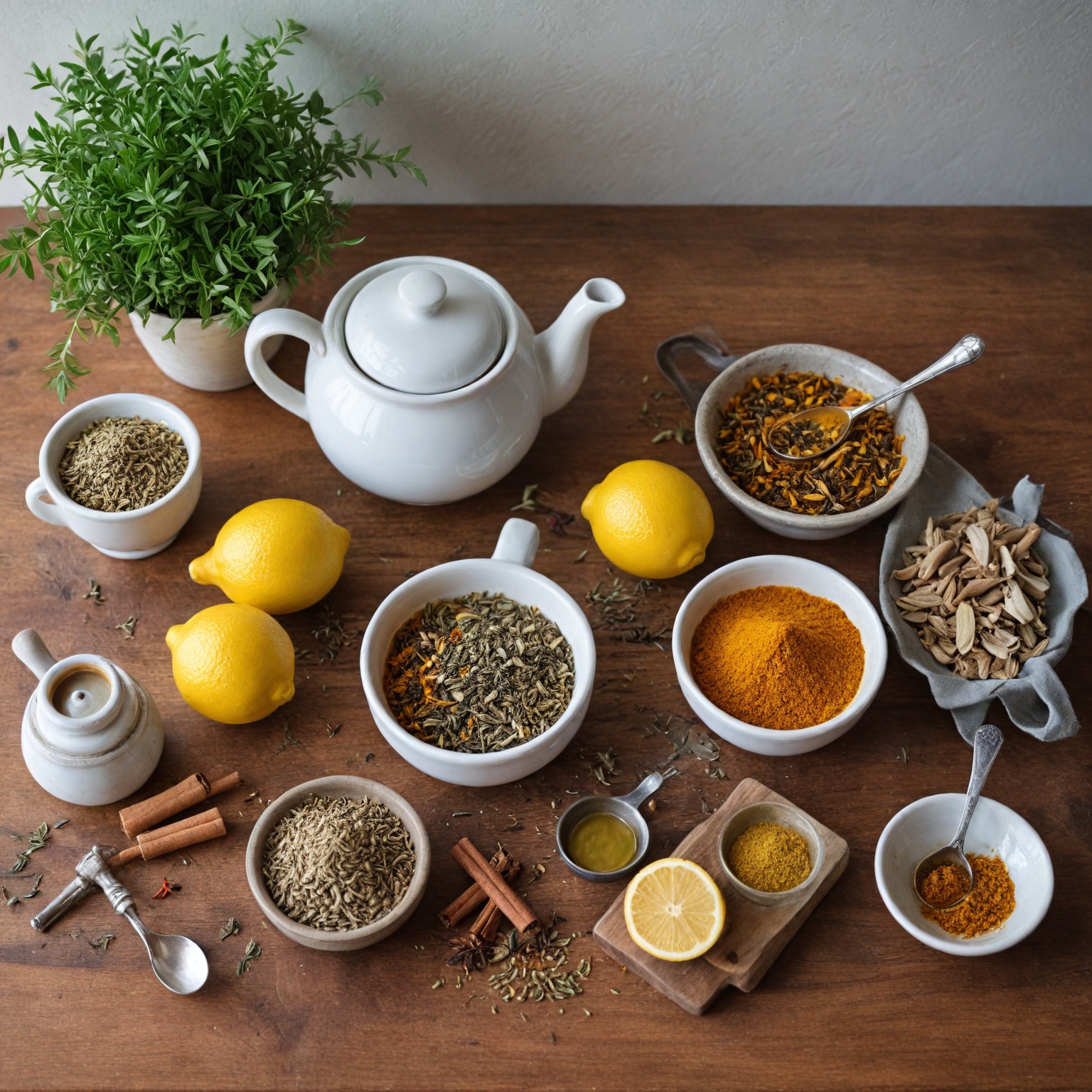
Turmeric tea can be prepared by boiling water with turmeric, ginger, and cinnamon, then reducing the heat and simmering the mixture for around 10 minutes. After straining, honey and a wedge of lemon are added to enhance flavor and nutritional value. Another variation includes combining black pepper, turmeric, ginger, and cumin seeds in boiling water, followed by the addition of lemon juice and optional honey to sweeten the tea and boost its immune-supporting properties.
For a more complex health drink aimed at weight loss, a mixture of garlic, turmeric, honey, lemon juice, and a sprig of tulsi leaves is consumed regularly, often in the morning before breakfast or after workouts. This combination leverages the synergistic effects of these ingredients for metabolic support.
When preparing these drinks, it is advised to be mindful of turmeric’s staining properties and to use appropriate containers to avoid discoloration. Additionally, some Ayurvedic sources note that dry turmeric may be contraindicated for individuals with a pitta constitution, emphasizing the importance of personalized use.
Health Benefits
Turmeric, cumin seed, garlic, and honey are commonly used ingredients believed to offer various health benefits, particularly when combined in teas or other remedies. Among these, turmeric has received considerable attention for its potential anti-inflammatory and antioxidant properties. Curcumin, the major active compound in turmeric, has been studied for its effects on conditions such as osteoarthritis, where it may help reduce joint pain and stiffness. Research also suggests that curcumin might improve liver function, especially in individuals with non-alcoholic fatty liver disease, as indicated by lower liver enzyme levels in clinical trials involving turmeric supplementation.
In terms of weight management, turmeric and curcumin have shown promise in reducing body mass index (BMI), waist circumference, and leptin levels—an appetite-regulating hormone—particularly in people with metabolic syndrome. These effects are thought to be linked to turmeric’s ability to modulate inflammation and influence energy metabolism. However, it is important to note that the bioavailability of curcumin is generally low, and many studies report moderate quality evidence, calling for further well-designed research to establish definitive benefits and appropriate dosages.
Garlic has also been studied for its potential role in weight loss and metabolic health, with some meta-analyses indicating beneficial effects when used as a supplement. Meanwhile, honey is often paired with turmeric due to its antioxidant properties, and some experts suggest that this combination might help reduce inflammation and support weight loss when consumed as part of an overall anti-inflammatory diet. Nonetheless, the high sugar content of honey means that excessive intake could counteract these benefits, and current evidence does not support a direct causal effect of turmeric and honey together on weight loss.
It is important to emphasize that while these natural ingredients show potential, their health benefits are often influenced by dosage, formulation, and overall dietary patterns. Simply adding turmeric, cumin, garlic, or honey to an otherwise unhealthy diet is unlikely to produce significant health improvements or weight loss. More rigorous human studies are needed to fully understand their mechanisms and optimize their use for health purposes.
Scientific Evidence
Turmeric and its active compound curcumin have been extensively studied for their health benefits and safety profile. Curcumin is generally considered safe, with short-term studies indicating that daily intakes up to 8 grams pose little risk; however, long-term safety data are still lacking. Some individuals consuming large doses may experience side effects such as allergic reactions, gastrointestinal discomfort, or skin rash. While turmeric is often hailed as an anti-inflammatory superfood, scientific evidence supporting its direct role in weight loss remains limited. Human studies have demonstrated potential benefits of curcumin in managing conditions like osteoarthritis pain, but more research is needed to clarify its effects on metabolism and weight control.
Cumin, derived from the seeds of the *Cuminum cyminum* plant, is a common spice used in Mediterranean, Indian, and Southwest Asian cuisines. It contains antioxidant properties and has been shown in some studies to boost metabolism, lower cholesterol levels, and improve blood sugar regulation, which may aid weight loss efforts. Consuming ground cumin as part of the diet has been linked to weight management benefits in certain populations, though further research is required to establish effective dosages and mechanisms.
The combination of turmeric and honey is popular in traditional health remedies, often consumed to enhance antioxidant intake and reduce inflammation. Inflammation can negatively impact metabolism and insulin sensitivity, potentially contributing to weight gain. Despite these theoretical benefits, clinical evidence supporting turmeric and honey together as an effective weight loss intervention is insufficient. In fact, some studies suggest that honey’s high sugar content might counteract metabolic improvements, and no standardized dosing or usage guidelines exist for this combination.
Polyphenolic compounds found in turmeric and cumin are generally regarded as safe because they are components of traditional diets worldwide. However, at higher doses, they may exhibit anti-nutritive or pro-oxidative effects. Regulatory bodies such as the World Health Organization and the European Food Safety Authority have established acceptable daily intake levels for curcumin to ensure safety, typically recommending up to 3 mg per kg of body weight. Overall, while preliminary research highlights promising health effects of cumin seed, turmeric, and their combinations with other natural ingredients like garlic and honey, robust clinical trials are necessary to confirm their efficacy and safety for effective weight loss.
Cultural and Historical Context
Turmeric, often referred to as the “golden spice,” has a rich history of medicinal and cultural significance dating back nearly 4,000 years. Originating in South Asia, it has been extensively used in traditional Indian medicine systems such as Ayurveda and Unani, where its healing properties were well documented in ancient Sanskrit medical treatises. Due to its vibrant yellow color, turmeric is also known as “Indian saffron” and has been a staple in both culinary and religious practices across Southeast Asia.
Historically, turmeric’s influence spread beyond South Asia, reaching China by 700 AD, East Africa by 800 AD, West Africa by 1200 AD, and eventually the Caribbean in the eighteenth century. Marco Polo notably described the spice in 1280, marveling at its resemblance to saffron in both color and qualities. Its culinary use is widespread, lending the characteristic yellow color and flavor to curries in South Asian and Middle Eastern cooking. Turmeric is also used as a natural coloring agent in products like cheese and butter and has influenced the cuisine of regions such as Ethiopia and South Africa, where it is traditionally used to color boiled rice.
The longstanding cultural importance of turmeric, combined with modern scientific interest—evidenced by over 3,000 publications in the past 25 years—underscores its dual role as both a culinary ingredient and a therapeutic agent. This historical and cultural backdrop provides context for the contemporary use of turmeric, often combined with other ingredients such as cumin seeds, garlic, and honey, in natural remedies aimed at weight loss and overall health improvement.
Precautions and Contraindications
While turmeric, cumin seed, garlic, and honey have been associated with various health benefits, including weight loss, it is important to exercise caution when incorporating these ingredients into the diet. Excessive intake of turmeric, particularly its active compound curcumin, can lead to adverse effects despite its traditional use and general safety at moderate levels. The World Health Organization (WHO) recommends a maximum allowable daily intake (ADI) of curcumin at 0–3 mg per kg of body weight, and the European Food Safety Authority (EFSA) suggests limits for curcumin as a food additive that vary between 20 and 500 mg per kg of food, without conflicting with the WHO guidelines.
Certain groups of people should be especially careful or avoid using these ingredients without medical advice. Individuals who are pregnant or nursing, those with gallbladder or kidney issues, bleeding disorders, diabetes, or iron deficiency are advised to limit turmeric intake and consult their healthcare provider before use. Additionally, people with pre-existing allergies should be mindful of the timing and use of such detoxifying teas, as missing the optimal window for detoxification (e.g., before allergy seasons) may reduce their efficacy.
The content is provided by Blake Sterling, Lifelong Health Tips