Summary
Uncover the Mystery: The Truth Behind Proper Teeth Cleaning That Most Ignore explores the essential practices and science of maintaining oral hygiene, a cornerstone of overall health often overlooked or misunderstood. Proper teeth cleaning, involving daily brushing, flossing, and regular professional dental cleanings, is critical for preventing dental diseases such as cavities, gingivitis, and periodontitis by effectively removing plaque, tartar, and biofilm—complex microbial communities that resist simple home care alone. Despite widespread recognition of its importance, many individuals engage in improper or inconsistent habits that undermine oral health, contributing to significant health disparities and diminished quality of life.
The page examines recommended teeth cleaning methods, including the use of effective brushing techniques like the Bass method, interdental cleaning tools such as floss and interdental brushes, and the role of fluoride and mouthwash in cavity prevention. It highlights common mistakes—such as brushing too hard or neglecting the tongue—and discusses the psychological and behavioral factors influencing oral hygiene adherence, including social, personality, and economic variables. Professional dental cleanings are emphasized for their superior ability to remove hardened deposits and stains, as well as their role in personalized education and preventive care.
A detailed overview of dental plaque’s microbiology reveals its complexity as a structured biofilm composed of hundreds of bacterial species embedded in an extracellular matrix that enhances resistance to antimicrobials and drives disease processes. This understanding underscores the challenges of plaque control and the importance of consistent mechanical disruption combined with emerging adjunctive therapies such as probiotics and targeted antimicrobials. The article also addresses controversies and ongoing debates in oral hygiene, including the optimal sequence and tools for interdental cleaning, and the balance between mechanical and chemical plaque control.
Finally, the article discusses public health strategies aimed at improving oral hygiene through education, behavioral interventions, enhanced access to care, and policy measures that address common risk factors shared with other chronic diseases. Innovations in teeth cleaning technology and microbial research promise to refine preventive practices further, making proper teeth cleaning an attainable goal for broader populations. This comprehensive examination reveals that despite its critical role, proper teeth cleaning is often neglected, necessitating continued awareness and multifaceted efforts to improve oral health outcomes globally.
Importance of Proper Teeth Cleaning
Proper teeth cleaning is fundamental to maintaining overall oral health and preventing a wide range of dental diseases. Routine dental cleanings performed by professionals remove debris, plaque, tartar, and biofilm—bacterial films that are not fully eliminated through regular brushing and flossing alone. These cleanings help protect against the accumulation of harmful bacteria that cause cavities and gum disease, particularly in vulnerable areas such as the deep grooves of premolars and molars.
Maintaining a consistent teeth cleaning routine is essential because the mouth is constantly exposed to acids, chemicals, and pathogens through food and air, which can accelerate tooth decay and oral tissue deterioration if not properly managed. Professional cleanings can also effectively remove external stains caused by foods, drinks, and tobacco, resulting in a more noticeable improvement in tooth appearance than over-the-counter whitening products.
Beyond aesthetic benefits, proper oral hygiene plays a critical role in overall health and wellbeing. Oral health is closely linked to total body wellness, influencing physical, mental, social, and economic aspects of life. Good oral care habits established early in life can profoundly impact lifelong dental health and reduce the risk of oral diseases that disproportionately affect underserved populations facing barriers to dental care access.
Daily toothbrushing is a key strategy in disrupting dental plaque and controlling periodontal pathogens, thus preventing periodontal diseases and dental caries. Moreover, interdental cleaning is crucial for removing plaque from spaces between teeth where brushing alone is insufficient, which helps prevent gum inflammation and disease. For individuals at higher risk of gum disease due to medical conditions like diabetes, more frequent dental visits and additional preventive measures, such as fluoride treatments, may be recommended to maintain oral health.
Behavioral factors, including the frequency and timing of oral hygiene practices, are influenced by social status, personality traits, and psychological variables, which can affect dental visit behavior and hygiene adherence. Therefore, spreading awareness about correct teeth cleaning techniques is imperative, as poor oral hygiene negatively impacts overall health and quality of life.
Recommended Teeth Cleaning Methods
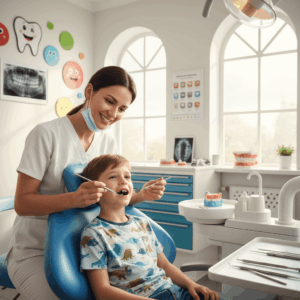
Routine dental cleanings are essential for maintaining optimal oral health by removing debris, plaque, tartar, and biofilm that regular brushing and flossing cannot eliminate alone. Professional cleanings typically involve scaling and polishing, which effectively remove surface stains caused by foods, drinks, and tobacco, often producing better results than over-the-counter whitening products.
Brushing Techniques and Tools
Proper brushing technique is crucial to oral hygiene. The Bass method, which focuses on scrubbing plaque from beneath the gumline to prevent gingivitis, has been identified as one of the most effective brushing techniques in reducing plaque and gingivitis when compared to horizontal brushing methods. It is recommended to brush gently for about two minutes twice a day, ensuring all tooth surfaces and the tongue are cleaned to remove bacteria and debris.
Choosing the right toothbrush is also important. Soft-bristle brushes that fit comfortably in the mouth and reach difficult areas are preferred. Toothbrushes with features such as polishing cups to remove stains, power-tip bristles for interdental cleaning, and indicator bristles that signal when it’s time to replace the brush enhance cleaning effectiveness. Toothbrushes should be replaced every three to four months to avoid ineffective cleaning and bacterial buildup.
Innovative options like chewable toothbrushes and interdental brushes offer alternatives for specific needs. Chewable brushes, which clean teeth while swished around the mouth, have proven effective for both children and adults. Interdental brushes, also known as proxabrushes, are particularly useful for cleaning between teeth with gaps or bone loss, sometimes outperforming dental floss in removing trapped food and plaque.
Flossing and Interdental Cleaning
Flossing before brushing is advised to dislodge food particles and plaque between teeth and along the gumline, which reduces the risk of gum disease and bad breath. When spaces between teeth are larger, interdental brushes may be prescribed as a more efficient alternative to flossing. Using a combination of flossing and interdental brushing tailored to different areas of the mouth is often recommended to maximize cleanliness.
Use of Fluoride and Mouthwash
Fluoride plays a key role in preventing tooth decay. Using toothpaste with the appropriate fluoride concentration is important, and in some cases, a dentist may recommend toothpaste with a higher fluoride level. Mouthwash containing fluoride can be beneficial if used at times separate from brushing to avoid washing away the concentrated fluoride left on teeth by toothpaste. After using fluoride mouthwash, it is advised not to eat or drink for 30 minutes to maximize its protective effect.
Behavioral Aspects and Habit Formation
Developing consistent and automatic oral hygiene habits is vital for long-term dental health. Repeated daily behaviors such as toothbrushing and interdental cleaning become ingrained through learned stimulus-response associations in the brain, helping maintain high-quality oral care performance. The most common times for oral hygiene practices are morning after breakfast and evening before bedtime, habits often influenced by social and cultural factors.
By combining effective techniques, appropriate tools, fluoride use, and habit formation, individuals can significantly improve their oral health and reduce the risk of dental diseases.
Common Mistakes and Overlooked Habits in Teeth Cleaning
Many individuals unknowingly adopt habits that can inadvertently harm their oral health rather than improve it. One common mistake is associating the forcefulness of brushing with effectiveness. Brushing too hard can irritate and damage gums, leading to potential injury and increased sensitivity, while not necessarily improving plaque removal. It is recommended to brush gently yet thoroughly for at least two minutes to ensure adequate cleaning without causing harm.
Another overlooked aspect is the consistency and pattern of brushing. Performing the same repetitive motion without conscious attention often causes neglect of certain areas in the mouth, as brushing becomes a reflex rather than a focused activity. Distractions during brushing can reduce effectiveness, emphasizing the importance of brushing without interruption to maintain proper technique.
The choice of toothbrush is also critical. Despite popular belief that harder bristles clean better, dentists widely agree that soft-bristled toothbrushes are most effective. Soft bristles can reach beneath the gum line and between teeth more safely and thoroughly than hard bristles, which may damage enamel and gums. Additionally, selecting a toothbrush with an appropriate handle size and angle can facilitate better access to all tooth surfaces. Regular replacement of toothbrushes every three to four months is essential, as worn or frayed bristles lose cleaning efficiency and may harbor bacteria.
Moreover, many people neglect brushing their tongue, which accumulates bacteria contributing to bad breath and overall oral health issues. Proper rinsing of both mouth and toothbrush after brushing helps remove residual debris and toothpaste, maintaining hygiene and brush condition.
In terms of interdental cleaning, while flossing is commonly recommended, studies suggest that interdental brushes may be more effective at removing plaque and maintaining periodontal health, especially for individuals undergoing periodontal maintenance. A combination of interdental brushes and flossing tailored to different areas of the mouth is often advised for optimal results. Despite these recommendations, the sequence and techniques of interdental cleaning remain debated among professionals, highlighting the need for personalized oral hygiene routines.
Finally, relying solely on at-home care without professional dental cleanings may leave plaque, tartar, and biofilm undisturbed, as these deposits can be difficult to remove with brushing and flossing alone. Regular dental visits provide an opportunity not only for thorough cleaning but also for personalized guidance to correct any improper habits and enhance oral care effectiveness.
Dental Plaque: Formation, Composition, and Microbiology
Dental plaque is a structurally and functionally organized biofilm that forms on the tooth surface, consisting of a complex community of microorganisms embedded in a matrix of polymers derived from both host and bacterial origins. This biofilm develops in an ordered manner, with its microbial composition remaining relatively stable over time in healthy individuals, a state referred to as microbial homeostasis. The microbial diversity of dental plaque is considerable, with modern techniques identifying approximately 1,000 different bacterial species that may be present during various stages of plaque maturation.
The initial formation of dental plaque begins with the adhesion of pioneer bacterial species to the tooth surface. However, the ultimate proportions of different species within the plaque community depend on their ability to grow and compete within this environment. Once established, the plaque biofilm exhibits enhanced pathogenicity due to synergistic interactions among microbial species and reduced susceptibility to antimicrobial agents. This resistance is partly attributed to the plaque’s dense extracellular matrix, which restricts the penetration of inhibitors, and the altered phenotypes of bacteria growing on surfaces, which grow more slowly and demonstrate increased tolerance.
The extracellular matrix of dental plaque is primarily composed of glucan and fructan polysaccharides synthesized by bacterial enzymes such as glucosyltransferase and fructosyltransferase acting on dietary sucrose. These polysaccharides are considered significant virulence factors in dental caries pathogenesis. Beyond carbohydrates, the matrix likely contains a complex mixture of proteins, nucleic acids, lipids, and other macromolecules originating from both microbial inhabitants and host tissues. The chemical composition of the matrix in subgingival plaque, especially in periodontitis patients, remains less understood but is known to be extensive and integral to biofilm stability.
Microbiologically, the mouth harbors between 200 to 300 bacterial species, but only a subset is implicated directly in dental diseases such as caries and periodontitis. Dental caries results mainly from acidogenic and acid-tolerant species like Streptococcus mutans, Streptococcus sobrinus, and lactobacilli, which produce acids that demineralize enamel and dentin. The presence of Candida albicans has been shown to enhance the cariogenic potential of oral bacteria through synergistic interactions, contributing further to the virulence of cariogenic biofilms. Periodontal diseases typically involve mixed anaerobic infections, with species such as Treponema denticola and Porphyromonas gingivalis playing key roles. In localized juvenile periodontitis, the microaerophile Actinobacillus actinomycetemcomitans is often implicated. These bacteria produce various metabolites and toxins that provoke inflammatory responses leading to tissue destruction and tooth loss.
Clinically, the accumulation of dental plaque subjects teeth and surrounding gingival tissues to high concentrations of bacterial metabolites, which, if not removed by mechanical means such as brushing and flossing, can mineralize into tartar and cause gingivitis or periodontitis. The intricate biofilm matrix and microbial interactions not only protect bacteria from antimicrobials but also contribute to the disease process by maintaining a pathogenic microbial community.
Understanding the formation, composition, and microbiology of dental plaque is essential for developing effective strategies for its control and for preventing oral diseases. Advances in molecular sequencing have greatly expanded knowledge of the microbial diversity within plaque biofilms, although the detailed understanding of the extracellular matrix composition continues to evolve. Future therapies, including probiotics, natural products, and vaccines targeting biofilm-related diseases, hold promise for improved management of dental plaque and associated oral health issues.
Effective Disruption of Dental Plaque and Biofilms
Dental plaque is a complex biofilm consisting of microbial communities embedded in a matrix of polymers originating from both host and bacterial sources. This biofilm structure makes plaque particularly resistant to antimicrobial agents, as the matrix can limit the penetration of these substances and the bacteria within grow slowly, adopting phenotypes that reduce their sensitivity to inhibitors. The presence of mature biofilms on teeth can lead to calculus formation and periodontal disease, highlighting the importance of effective plaque disruption to maintain oral health.
Mechanical removal remains the cornerstone of plaque control. Flossing before brushing is recommended to dislodge food particles and disrupt biofilms in interdental spaces. Proper flossing technique involves using 30 to 45 cm of floss, maneuvering it gently between teeth and gums with 8 to 10 up-and-down strokes per interdental site. Wrapping the floss in a C-shape around each tooth ensures thorough cleaning of the tooth surface adjacent to the gumline. For individuals with limited dexterity or those seeking alternative options, interdental brushes and dental picks can be used effectively to reach difficult areas.
Water flossers offer another effective method by delivering a targeted jet of water to remove plaque and debris from interdental and subgingival areas. Studies have demonstrated that water flossers significantly reduce bacterial loads compared to traditional syringe irrigation, making them a promising tool for preventing dental caries and maintaining oral hygiene. Their versatility also allows cleaning around orthodontic appliances and dental implants, where conventional flossing may be challenging.
Chemical plaque control through antibiotics and antimicrobial agents is complicated by biofilms’ inherent resistance and the potential disruption of the oral microbiome balance. The indiscriminate use of these agents can lead to antibiotic-resistant bacteria or fungal overgrowth, underscoring the need for targeted therapies that selectively inhibit pathogenic species while preserving beneficial flora. Emerging approaches include probiotics, which not only exert antimicrobial effects but also modulate the immune response toward anti-inflammatory actions. Additionally, vaccination strategies and natural products are being explored as adjunctive therapies to mechanical cleaning.
Advancements in DNA sequencing have expanded our understanding of the microbial composition of dental biofilms, but knowledge of the extracellular matrix structure and function remains incomplete. Nonetheless, continued research into the biofilm matrix and its role in antimicrobial resistance will be critical in developing more effective strategies for plaque control and the prevention of biofilm-associated oral diseases. Ultimately, consistent and effective mechanical disruption, combined with adjunctive therapies tailored to individual needs, represents the most reliable method to manage dental plaque and maintain oral health.
Professional Teeth Cleaning
Professional teeth cleaning is a critical component of maintaining optimal oral health. It involves the removal of plaque and tartar (hardened plaque known as calculus) that cannot be eliminated through regular brushing and flossing alone. This
Common Misunderstandings and Psychological Factors
Oral hygiene behaviors such as toothbrushing and interdental cleaning are often viewed simply as routine tasks, yet their psychological underpinnings and common misconceptions play significant roles in how consistently and effectively these behaviors are performed. A fundamental misunderstanding is the belief that these actions are merely conscious efforts rather than habits that can become automatic through repetition. Habits form when behaviors are repeated frequently enough to become subconscious, involving neural pathways that create a stimulus-response association, making the behavior more automatic over time. This automaticity is crucial for maintaining long-term oral health practices, yet the psychological factors that foster this process—such as intrinsic reward, anticipated regret, and self-efficacy—are not fully understood in their day-to-day influence on behavior.
Another common misconception is related to the timing and frequency of oral hygiene practices. Studies have found that most individuals tend to clean their teeth primarily in the morning after breakfast and in the evening before bedtime. However, the frequency and consistency of these practices can be influenced by socio-economic status and education level, with higher social status often correlating with better oral hygiene habits and more frequent dental visits. Additionally, personality traits such as conscientiousness, neuroticism, and extraversion, along with psychological variables like self-efficacy and self-confidence, have been shown to affect oral hygiene behaviors, although findings vary and sometimes conflict. Extrinsic factors, including dental anxiety, negative past dental experiences, and social influences, also shape these behaviors and can either hinder or motivate proper oral hygiene.
Misunderstandings extend to the perceived importance of oral hygiene knowledge and attitudes, especially among young adults and students. Research indicates that as medical and health science students progress through their academic years, their knowledge, attitude, and behavior towards oral health improve significantly, suggesting that increased awareness and education positively influence oral hygiene practices. This highlights a need for ongoing education and awareness campaigns to correct false beliefs and encourage healthier behaviors.
Psychological benefits tied to proper teeth cleaning are often overlooked. Maintaining good oral hygiene has been linked to enhanced self-esteem and confidence, reflecting a broader impact on an individual’s mental and emotional well-being. The act of caring for one’s teeth can be seen as a manifestation of self-respect and self-worth, reinforcing healthy habits that extend beyond physical health.
Strategies and Public Health Interventions to Promote Proper Teeth Cleaning
Proper teeth cleaning is crucial not only for maintaining oral health but also for enhancing overall physical, mental, and social well-being. Given the widespread impact of poor oral hygiene on health and quality of life, public health strategies are essential to promote effective oral care practices across populations.
Educational Campaigns and Awareness Programs
One of the primary strategies to encourage proper teeth cleaning is the dissemination of accurate information on oral hygiene techniques. Educational initiatives, often conducted through dental visits or community programs, provide opportunities for individuals to learn proper brushing, flossing, and interdental cleaning methods tailored to their needs. These programs emphasize the importance of brushing twice daily with fluoride toothpaste for at least two minutes and cleaning between teeth once daily using dental floss, interdental brushes, or recommended picks to prevent plaque buildup and gum disease.
Addressing Behavioral and Psychological Factors
Oral hygiene behaviors are influenced by a range of psychological variables, including personality traits such as conscientiousness and optimism, as well as self-efficacy and body image appreciation. Public health interventions that incorporate behavioral science can better tailor messages and support systems to enhance motivation and adherence to proper oral care. Additionally, overcoming dental anxiety and negative past experiences through supportive counseling and patient-centered care can reduce barriers to maintaining routine dental hygiene practices.
Enhancing Accessibility and Reducing Barriers
Structural and social determinants, such as geographic isolation, financial constraints, and limited access to dental services, contribute significantly to disparities in oral health. Public health policies aimed at expanding affordable dental care, increasing availability of preventive services, and integrating oral health into primary care settings can mitigate these barriers. Efforts to provide community-based dental screenings and cleanings help reach underserved populations and promote early intervention.
Promoting Routine Professional Dental Cleanings
Routine professional cleanings play a critical role in removing plaque, tartar, and biofilm that cannot be eliminated through regular home care alone, thereby reducing the risk of periodontal diseases and dental caries. Public health programs often encourage regular dental visits as part of a comprehensive oral health maintenance plan, which also serves as a platform for personalized education on effective home care practices.
Integration of Interdental Cleaning in Oral Hygiene Guidelines
Interdental cleaning has been shown to significantly reduce periodontal disease, interproximal caries, and tooth loss when performed frequently. Public health interventions emphasize incorporating interdental cleaning aids alongside toothbrushing in daily routines. Educational resources provide guidance on selecting and properly using interdental brushes, floss, or picks, thereby enhancing plaque control and preventing gum inflammation.
Addressing Common Risk Factors Through Public Health Policies
Since oral diseases share common risk factors with other noncommunicable diseases—such as tobacco use, unhealthy diets, and poor hygiene—comprehensive public health interventions targeting these factors can effectively reduce the overall burden of oral disease. Multisectoral approaches involving nutrition, tobacco control, and health education support the promotion of healthy lifestyle habits that benefit oral and general health alike.
By implementing multifaceted strategies that combine education, behavioral support, improved access, and policy measures, public health initiatives can significantly enhance the adoption of proper teeth cleaning practices and ultimately improve population oral health outcomes.
Tips for Maintaining Effective Teeth Cleaning Habits
Maintaining effective teeth cleaning habits is essential for preserving oral health and preventing dental issues such as cavities and gum disease. One fundamental strategy is to establish a consistent routine, as regular repetition of toothbrushing and interdental cleaning can lead to the development of automatic behaviors that require less conscious effort and are more likely to be sustained even during stressful periods. For example, linking toothbrushing to a daily activity like showering can serve as a reliable cue to reinforce the habit.
Choosing the right toothbrush also plays a significant role. A good toothbrush should be comfortable to hold and easy to use, with a head size that can effectively reach all areas of the mouth, including the back molars. Small-headed brushes are often recommended for thorough cleaning. While the type of toothbrush is important, brushing thoroughly at least twice a day remains the key factor in effective cleaning.
Brushing technique is equally important. It is advised to brush gently to avoid irritating or injuring the gums, and to brush the tongue to remove bacteria that accumulate there. Additionally, practicing brushing without distractions can help improve focus on technique and overall cleaning effectiveness. Rinsing both the mouth and the toothbrush after brushing helps remove residual toothpaste and food debris, contributing to better oral hygiene.
The use of fluoride toothpaste bearing the American Dental Association Seal of Acceptance is recommended as it ensures safety and effectiveness. The choice of toothpaste should be tailored to individual needs, but fluoride remains a critical ingredient for dental health. Furthermore, incorporating interdental cleaning before brushing has been shown to remove more plaque and maintain higher fluoride levels in the mouth, enhancing the protective benefits.
Finally, regular visits to the dentist for professional cleanings and checkups are crucial. Dental cleanings remove debris, plaque, tartar, and biofilm that cannot be eliminated by brushing and flossing alone, helping to prevent dental diseases. Continuously returning for routine dental care ensures early detection and management of potential problems, supporting lifelong oral health maintenance.
Innovations and Advances in Teeth Cleaning
Recent advancements in teeth cleaning have focused on improving both the effectiveness of plaque and stain removal and enhancing patient experience through innovative tools and techniques. Traditional professional cleanings remain the gold standard for removing stubborn stains caused by foods, drinks, and tobacco, often outperforming over-the-counter whitening products in delivering noticeable cosmetic improvements. These cleanings involve scaling and polishing, where specialized hand instruments called scalers are used to meticulously remove plaque, tartar, and biofilm—a slimy matrix of microorganisms that cannot be eliminated by brushing and flossing alone.
Technological innovations have led to the development of specialized interdental aids designed to complement daily oral hygiene routines. Orthodontic flossers, for example, are crafted to navigate around braces and wires, making flossing more accessible and effective for orthodontic patients. Additionally, rubber-tipped gum stimulators help promote blood flow to the gums, enhancing gum health. Beyond manual tools, devices such as water irrigators (oral irrigators) and electric toothbrushes have gained prominence; while rotational electric toothbrushes may reduce plaque and gingivitis risks, their clinical superiority remains under evaluation. Oral irrigators, in particular, have shown promise in reducing gingival inflammation, especially when used alongside interdental brushes for cleaning around dental implants.
Understanding the complex microbial ecology of dental biofilms has also driven new directions in preventive care. Advances in DNA sequencing technologies have provided unprecedented insights into the diverse microbial populations within dental plaque and the composition of their extracellular matrices. These biofilms consist of multi-species communities, including bacteria and fungi such as Candida albicans, which can synergistically increase cariogenic potential and contribute to antibiotic resistance. Consequently, future treatments may focus on selectively modifying plaque microbiota to transform pathogenic biofilms into healthier communities, potentially through targeted antimicrobial therapies.
Moreover, dental visits now offer valuable educational opportunities where dental professionals provide personalized advice on brushing, flossing, and the use of these innovative tools to maintain optimal oral health. This holistic approach combining advanced technology, microbial understanding, and patient education marks a significant step forward in the science and practice of teeth cleaning.
The content is provided by Sierra Knightley, Lifelong Health Tips