Summary
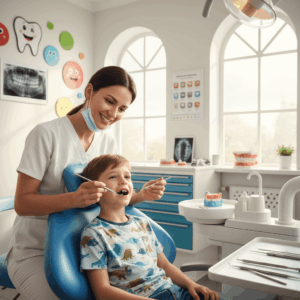
Reigniting Your Smile: A Guide to Resuming Dental Visits Post-Lockdown addresses the profound impact the COVID-19 pandemic has had on dental care worldwide and offers practical strategies for safely restoring routine dental services after extended disruptions. During the pandemic, widespread lockdowns and heightened fears of viral transmission led to substantial reductions in dental visits, with many patients postponing preventive and elective treatments to avoid potential exposure to SARS-CoV-2. The resultant delays raised concerns about deteriorating oral health, including increased incidences of tooth decay, gum disease, and other complications associated with deferred care.
The guide contextualizes these challenges by examining the unique risks faced in dental settings, where aerosol-generating procedures and close patient-provider interactions necessitated stringent infection control measures. Dental practices worldwide adopted enhanced safety protocols—such as use of personal protective equipment (PPE), patient screening, environmental disinfection, and workflow modifications—to mitigate transmission risks and rebuild patient confidence. It also explores how teledentistry emerged as a valuable tool for remote consultations and triage, helping bridge gaps in care during periods of limited in-person access.
Recognizing the psychological and operational hurdles experienced by both patients and dental professionals, the guide highlights strategies for effective communication, phased reopening, and patient engagement tailored to local epidemiological conditions. It underscores the importance of maintaining oral health between visits through education and preventive practices, especially in vulnerable populations disproportionately affected by care disruptions.
By synthesizing current evidence and best practices, Reigniting Your Smile serves as a comprehensive resource to support safe, efficient, and patient-centered resumption of dental services post-lockdown. It also addresses ongoing controversies such as balancing infection control with operational costs and adapting protocols amidst evolving viral variants, emphasizing the need for flexible, region-specific approaches to ensure oral health recovery in the pandemic’s aftermath.
Background
The COVID-19 pandemic has significantly impacted dental services worldwide, primarily due to the risk of transmission through droplet infection during dental treatments. Dental practices involve close face-to-face contact and exposure to bodily fluids such as saliva and blood, which are major risk factors for the spread of the virus among dental health-care professionals (DHCPs) and patients. This has led to heightened awareness and implementation of new safety measures by dental teams to mitigate infection risks.
During the pandemic, many countries experienced substantial disruptions in oral health services. The World Health Organization reported that 77 percent of countries faced partial or complete interruptions in dental care, with most appointments being postponed or cancelled for two to three months except for urgent emergency treatments. This disruption caused a notable decrease in the frequency of dental visits, particularly during lockdown periods, with patients delaying routine check-ups and only seeking care for complicated or emergency issues.
Fear of COVID-19 exposure also contributed to patients cancelling or deferring appointments even after dental practices began reopening, further compounding the reduction in dental service utilization. The pandemic has highlighted disparities in access to dental care, as emergency departments—a less-than-ideal setting for oral health treatment—saw declines in visits for non-COVID-related issues. Furthermore, variations in the rate of decline in dental visits across different states suggest that tailored approaches to reopening and patient engagement are necessary to restore dental care utilization effectively.
The pandemic’s impact on dental care quality and patient satisfaction has been significant, with many dental professionals adapting their practices to maintain safety while addressing patient needs. Preventive dental services have been especially affected, leading to concerns about the long-term consequences on oral health. To counter these challenges, dental providers have emphasized ongoing communication and education on preventive care and infection control as essential components of resuming routine dental visits safely.
Challenges Faced Post-Lockdown
The COVID-19 pandemic and ensuing lockdowns significantly disrupted routine dental care, resulting in a range of challenges for both patients and dental professionals as services resumed post-lockdown. One major issue was the decreased frequency of dental visits, particularly during periods of strict lockdown. Patients primarily sought care for urgent or complicated problems, while routine check-ups and preventive treatments were often delayed or avoided. This trend was more pronounced among socially disadvantaged groups who faced reduced access to dental care.
Fear of contracting COVID-19 played a critical role in patient hesitancy. Many individuals experienced heightened anxiety about visiting dental clinics due to the risk of infection via aerosols and droplets produced during dental procedures. This fear contributed to a reluctance to seek timely care, which, combined with changes in daily habits such as increased snacking and irregular oral hygiene, led to a deterioration in oral health, including higher incidences of tooth decay and advanced gum disease. Dental anxiety, already prevalent in some populations, was further exacerbated by the pandemic, creating a vicious cycle of shame and avoidance that negatively impacted oral hygiene and treatment adherence.
Dental professionals faced substantial occupational risks due to close patient contact and exposure to potentially infectious aerosols. The nature of dental procedures, involving water and air sprays, generates aerosols that may carry pathogens, placing dental care workers at high risk of COVID-19 transmission. Despite existing infection control protocols, the pandemic necessitated enhanced safety measures, including active patient screening, social distancing within clinics, mandatory use of personal protective equipment (PPE), and improved ventilation and aerosol reduction techniques such as high-volume evacuation and dental dams.
Operational adjustments further complicated the delivery of dental services. Many clinics operated at reduced capacity—sometimes only 25% to 50% of normal patient loads—to comply with infection control guidelines and allow time for enhanced disinfection procedures between patients. Tele-dentistry emerged as an alternative to minimize in-person visits, with remote consultations and screening protocols implemented to limit exposure risks. Communication challenges also arose, as clear and honest dialogue became essential to reassure patients, explain new safety procedures, and maintain trust, with poor communication potentially leading to missed appointments or treatment refusals.
Moreover, dental professionals reported significant psychological stress and uncertainty about the future of their practice due to these changes and the ongoing risk of infection. The pandemic highlighted the need for continual adaptation in clinical protocols and patient management strategies to balance safety with effective oral health care delivery.
Infection Control and Safety Protocols Post-Lockdown
Following the COVID-19 lockdowns, dental practices implemented comprehensive infection control and safety protocols to protect patients, dental health care workers, and staff. These measures aimed to mitigate the risks posed by SARS-CoV-2 transmission, particularly due to the high potential for aerosol generation during dental procedures.
Personal Protective Equipment and Patient Management
The use of enhanced personal protective equipment (PPE) became a cornerstone of infection prevention. Dental professionals were advised to wear surgical masks or N95 respirators, gloves, eye protection such as goggles or full-face shields, and gowns to create a safer clinical environment. These protective devices were to be changed frequently, often after each patient, to minimize cross-contamination. Patients were also managed upon arrival through active screening, including symptom checks and triage to prioritize urgent treatments while delaying non-urgent care when appropriate.
Aerosol Control and Environmental Measures
Since many dental procedures produce aerosols potentially containing viral particles, strategies to reduce aerosol dissemination were critical. The use of high-volume evacuators, intraoral suction devices, and rubber dams was promoted to limit aerosol spread beyond the treatment site. Modified protective equipment, such as polycarbonate sprayhoods with enlarged shields, were utilized to prevent droplet contamination of dental staff during aerosol-generating procedures. Additionally, dental clinics enhanced ventilation and filtration systems to further mitigate airborne transmission risks.
Environmental disinfection protocols were intensified, involving regular sterilization of treatment rooms, surfaces, and dental instruments using heat sterilization cycles at 121 °C where applicable. Reception and non-clinical staff were advised to avoid contact with clinical areas or to use adequate protective measures to prevent indirect contamination.
Workflow Adjustments and Operational Changes
To reduce patient density and potential exposure, dental practices adopted workflow modifications such as staggering appointments, limiting the number of accompanying visitors, and extending operational hours to accommodate backlogs safely. Communication with patients was enhanced to explain new safety policies and pre-appointment screening procedures. Remote consultations via audio or video calls were used to assess treatment urgency and minimize in-office visits whenever possible.
Cost and Practical Considerations
The introduction of these protocols increased operational costs due to the higher consumption of PPE and disinfection supplies, as well as the need for additional staff training and facility upgrades. Furthermore, wearing PPE for extended periods posed physical challenges for dental professionals during intricate procedures, requiring adjustments in clinical practice. Despite these challenges, adherence to safety guidelines contributed to low infection rates within dental settings and allowed dental professionals to continue providing essential care safely.
Strategies for Resuming Dental Visits
Dental practices have adopted multiple strategies to safely resume services and encourage patients to return following the COVID-19 lockdowns. Key measures focus on infection control, patient communication, appointment management, and leveraging technology to minimize risk and restore patient confidence.
Infection Control and Safety Protocols
To ensure a safe environment, dental clinics have implemented enhanced infection prevention procedures. Staff members are trained and retrained regularly on health and safety protocols, including the use of appropriate personal protective equipment (PPE) such as surgical or N95 masks, full face shields, goggles with side shields, and gowns for clinical team members. Operatories and dental chairs are disinfected thoroughly before each patient, with surfaces cleaned and sprayed with disinfectants and plastic sheaths used on dental chairs, removed after treatment.
Patient screening and risk reduction strategies are also critical. Audio or video consultations help prioritize treatment needs based on severity, minimizing unnecessary clinic visits and exposure risks for both patients and staff. Patients may be asked to wait outside the clinic until screened via telephone or other remote methods. Limiting the number of visitors accompanying patients, advising mask usage upon entry and throughout the visit (except during treatment), and staggering appointments reduce crowding and promote physical distancing within the facility.
Appointment Scheduling and Patient Flow
Dental offices have adopted appointment staggering and extended operational hours to reduce the number of patients in the clinic simultaneously, enabling adherence to social distancing guidelines and thorough cleaning between visits. Limiting the use of certain operatories (e.g., only chairs 1, 3, and 5) facilitates spacing and reduces overlap in patient presence.
Gradual or “soft” reopening approaches allow dental teams to test and refine safety protocols while helping patients acclimate to new procedures and restrictions. These phased reopenings often begin by prioritizing urgent and emergency treatments before expanding to routine care.
Communication and Patient Engagement
Effective communication is fundamental in reassuring patients and encouraging their return to dental care. Clear, timely, and personalized messaging establishes trust and reduces anxiety related to treatment during the pandemic. Practices should inform patients about new safety protocols, appointment procedures, and expectations during appointment confirmation calls or other outreach efforts.
Active listening by dental staff fosters patient confidence by addressing concerns and reinforcing understanding of care plans. Additionally, ongoing patient education through emails or website content on preventive oral health practices supports maintenance of oral hygiene between visits and positions the practice as a reliable source of dental knowledge.
Use of Teledentistry
Teledentistry has emerged as a valuable tool to bridge gaps in care during and after lockdown periods. It facilitates education, consultation, and triage by allowing providers to assess the urgency of dental issues remotely and advise whether immediate in-person treatment is necessary or if conditions can be managed temporarily at home. This approach is particularly beneficial for reaching disadvantaged, rural, or homebound populations while minimizing unnecessary clinic visits and exposure risk.
Regional Variations and Practice Adaptations
Variation in patient visit declines across different states highlights the need for dental practices to tailor reopening strategies to local conditions and patient preferences. Flexibility in scheduling, communication, and safety measures enables practices to adapt to evolving public health guidelines and patient comfort levels.
Patient Response and Trends in Dental Visit Volumes Post-Lockdown
During the COVID-19 pandemic, dental visit volumes experienced a significant decline, particularly during lockdown periods when access to routine care was severely restricted. Patients primarily sought dental care for urgent or complicated problems, while routine check-ups and non-urgent treatments were frequently postponed or canceled. This reduction in visits was not uniform; states exhibited widespread variation in the rates of decline, suggesting that geographic location influenced patient behavior and access to dental services during the pandemic.
Fear of infection played a critical role in patients’ decisions to delay or avoid dental visits. Concerns about possible exposure to SARS-CoV-2 in dental offices led many individuals to postpone treatment, impacting overall oral health maintenance. Socio-economic status further influenced patient attitudes and perceptions regarding dental care during the pandemic, with socially disadvantaged groups facing greater barriers to access and exhibiting different levels of concern about returning to dental offices. Psychological effects related to the pandemic, including increased depression, anxiety, and somatic symptoms, were notably higher among private dental practitioners who faced financial instability due to the suspension of routine care.
In the wake of enhanced infection control protocols and the availability of adequate personal protective equipment (PPE), dental care utilization has been gradually rebounding. By mid-February 2021, patient volumes in the United States had recovered to approximately 81% of pre-pandemic levels, while dental staffing stabilized at around 91% of pre-COVID-19 figures. However, the emergence of multiple SARS-CoV-2 variants has underscored the ongoing need for rigorous infection control measures to ensure patient and provider safety as dental practices continue to encourage patients to return for routine and preventive care.
Oral Health Consequences of Delayed Dental Care
The COVID-19 pandemic and the resulting lockdowns significantly disrupted routine dental care worldwide. Many patients postponed or canceled their dental visits due to fear of infection, leading to delays in both preventative and elective treatments. The American Dental Association (ADA) recommended postponing elective dental procedures from March 16, 2020, until early April to reduce the strain on healthcare systems and limit potential COVID-19 transmission. As a result, only emergency dental services were provided during this period, which led to the suspension of regular check-ups and cleanings for many individuals.
High-risk patients, who typically require dental check-ups every three to six months, experienced particularly adverse effects. Instead of maintaining regular appointments, many delayed visits for nine months to a year or longer. This lapse caused a marked increase in severe dental issues, including toothaches, complications necessitating extractions, and a rise in endodontic treatments. Professor Paulo Melo noted that multiple concurrent oral problems became common among these patients due to prolonged intervals without professional care, often involving orthodontic setbacks and periodontal disease progression. Similar observations were made by Dr. Nahawand Abdulrahman Thabet in Cairo, where an increase in dental caries among teenagers was reported, reflecting the broader impact of reduced dental services during the pandemic.
Globally, oral health services were heavily affected, with the World Health Organization documenting that 77% of countries experienced partial or complete disruptions to dental care. These interruptions contributed to a backlog in preventive appointments, increasing the risk of rampant tooth decay and enamel damage. Furthermore, reports have indicated long-term effects of COVID-19 infection on oral health, including loss of taste sensation lasting up to six months in some patients, complicating the overall picture of post-pandemic dental health.
Data preceding the pandemic already highlighted significant dental health challenges, such as nearly half (46.0%) of children aged 2–19 having untreated or restored dental caries. The added delays in care likely exacerbated these existing issues, creating a growing demand for urgent and extensive dental interventions post-lockdown.
The disruptions caused by the pandemic underscored the critical role of dental safety-net clinics and the need to
Benefits of Resuming Dental Care
Resuming dental care after the initial COVID-19 lockdowns offers significant benefits for maintaining oral health and preventing further complications. During the pandemic, many individuals postponed or missed routine dental appointments, leading to a backlog of preventative care and an increased risk of dental diseases. Regular dental visits are essential for early detection and management of oral health issues, such as tooth decay and gum disease, which can worsen without timely intervention.
Preventative measures, including fluoride treatments and routine assessments, help preserve healthy tooth enamel and reduce the progression of decay. These interventions are particularly critical as delayed care during the pandemic has led to more severe dental problems in some patients, resulting in complex treatments such as extractions and endodontic procedures. High-risk patients who delayed their check-ups have often experienced multiple concurrent dental issues, underscoring the importance of timely dental care.
Additionally, resuming dental visits supports the management of post-COVID conditions affecting oral health. For example, some patients report prolonged loss of taste sensation following COVID-19 infection, highlighting the need for ongoing monitoring and care by dental professionals. The resumption of care also helps address emergency dental needs that arose during the pandemic due to postponed visits and increased fear of infection.
Dental offices have implemented comprehensive infection control protocols—including patient screening, social distancing, sanitation, and the use of personal protective equipment (PPE)—to ensure the safety of both patients and staff. These enhanced measures have facilitated the recovery of dental services and helped rebuild patient confidence in seeking care.
Moreover, resuming dental care contributes to the overall dental economy, which faced significant losses during the pandemic, with some clinics reporting over 70% financial decline and uncertainty about sustainability. Restoring regular dental visits is therefore vital not only for individual health but also for supporting the dental workforce and infrastructure.
Recommendations for Maintaining Oral Health Between Visits
Maintaining good oral health between dental visits is essential, especially during periods when access to professional care may be limited, such as during lockdowns or pandemics. Regular communication from dental practices—through emails, websites, or other digital platforms—can provide patients with valuable preventive dental tips that support oral hygiene routines at home. These tips often include proper brushing techniques, advice on selecting recommended oral hygiene products, and guidelines on when to replace toothbrushes. Such ongoing education not only improves patient outcomes but also helps position dental practices as trusted sources of oral health knowledge.
Changes in daily routines brought about by the COVID-19 pandemic, such as increased snacking at home and disruptions to regular toothbrushing habits, have negatively impacted oral health for many individuals, particularly children and adolescents. A notable example includes a 15-year-old patient who increased snacking due to school closures, a behavior likely mirrored by thousands of youths in similar circumstances. Dental professionals have emphasized the importance of not delaying dental visits despite fears related to the pandemic, underscoring that maintaining oral health is crucial for overall well-being and quality of life.
In addition to lifestyle changes, fear of virus transmission has led some individuals to avoid dental care altogether, contributing to poorer oral hygiene and even emergency dental needs caused by untreated tooth pain. To counteract these effects, it is recommended that patients adhere to consistent oral hygiene practices, minimize frequent snacking between meals, and seek emergency dental care when necessary.
For pediatric patients, behavior management and preventive strategies remain particularly important to foster good oral habits early on. Overall, dental care providers should encourage patients to maintain twice-daily toothbrushing, adopt healthy dietary habits, and continue routine dental check-ups when possible, as these practices are key to sustaining oral health during and beyond challenging periods such as the pandemic.
Case Studies and Regional Examples
During the COVID-19 pandemic, dental visits experienced significant declines across various regions, with the degree of reduction differing substantially by location. A retrospective observational study analyzing mobile application data from 45 million smartphones revealed that weekly dental office visits in the United States dropped drastically during early 2020 compared to 2019, with the greatest declines—ranging from 38% to 53%—occurring in California, Connecticut, the District of Columbia, Massachusetts, and New Jersey. This variation suggests that reopening strategies and patient re-engagement efforts must be tailored to specific regional circumstances to effectively restore dental care attendance.
In Australia, a cross-sectional study conducted at the James Cook University Dental Clinic in Cairns, Queensland, during August–September 2021 highlighted a contrasting scenario. Cairns experienced low COVID-19 case numbers and minimal virus impact while other parts of the country faced strict lockdowns, providing a unique context to study patient attitudes toward dental care in a relatively low-risk environment. The findings emphasize the importance of understanding local outbreak dynamics and patient perceptions to improve oral health compliance and attendance during ongoing or future outbreaks.
Guidelines for reopening dental practices in the United States have been developed in conjunction with broader workplace safety recommendations, such as those issued by OSHA. These include adapting protocols based on evolving risk levels and implementing control measures tailored to the regional epidemiological context. Employers and dental providers are encouraged to utilize these frameworks to determine the appropriate timing and methods for resuming services, balancing safety with patient needs.
Furthermore, patient prioritization through remote screening methods—such as audio or video consultations assessing treatment urgency—has been proposed to minimize exposure risks for both patients and dental staff. This approach aids in managing care delivery while mitigating infection risk during periods of restricted clinic access.
The pandemic also disproportionately affected dental practitioners depending on their employment setting. Private practitioners reported higher levels of depression, anxiety, and somatic symptoms compared to government-employed dentists, largely due to financial insecurity stemming from suspended routine care and lack of income during lockdowns.
Testing limitations further complicated reopening efforts. The absence of widespread and point-of-care COVID-19 testing within dental offices meant that asymptomatic or presymptomatic patients could inadvertently transmit the virus. As a result, professional guidance, such as from the American Dental Association (ADA), evolved throughout 2020 in response to varying state and local reopening policies and testing capabilities, underscoring the need for flexible and region-specific strategies.
The content is provided by Avery Redwood, Lifelong Health Tips