Summary
“Discover How to Avoid 10 Easy-to-Make Errors in Dental Home Care” is an informative guide on the importance of regular dental check-ups and how to avoid common mistakes in dental home care. It establishes the link between dental check-ups and maintaining good oral hygiene, identifies common errors in dental home care, and outlines the long-term impacts of neglecting dental home care. The guide also highlights barriers to professional dental care, particularly financial constraints, and stresses the need for preventative measures. A primary focus is the correlation between regular dental check-ups and optimal oral health. Despite regular visits to the dentist, some people may still encounter oral health issues due to common oral hygiene errors. The guide emphasizes that consistent oral hygiene practices at home combined with regular dental check-ups can ensure optimal oral health. The relevance of this guide is underscored by the statistic that one in three people have experienced a dental mistake in their lifetime, further accentuating the need for comprehensive understanding and proactive oral health care routines.
The Link between Regular Dental Check-ups and Dental Home Care
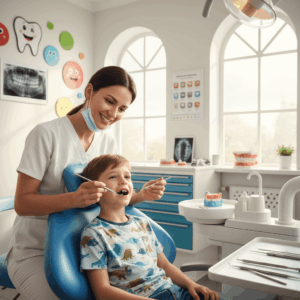
Regular dental check-ups serve as a critical aspect of maintaining good oral hygiene and overall health. Dental check-ups are essentially preventive care measures that allow dentists to identify and address potential oral health issues before they become serious. These routine visits often involve an examination of the teeth and gums, looking for any signs of decay or infection. Dentists may also utilize x-rays as a means of identifying issues that are not visible through a standard oral exam.
There are numerous benefits to having regular dental check-ups. By catching issues early, dentists can provide guidance and interventions that can prevent complications such as cavities, gum disease, enamel erosion, and bad breath, all of which are common outcomes of poor oral hygiene. Regular dental check-ups also provide an opportunity for professional teeth cleaning, which plays a vital role in maintaining healthy teeth and gums.
However, the frequency of dental check-ups can vary significantly depending on individual circumstances. While most people are advised to see their dentist at least twice a year for preventive care, those with poor oral hygiene habits, smokers, or those with existing medical conditions may need to schedule more frequent appointments. Moreover, access to oral health products and services also influences the frequency of dental check-ups, as those who struggle with access may require more frequent check-ups.
Despite the numerous benefits of regular dental check-ups, it is also essential to maintain good oral hygiene practices at home. It has been noted that some people may still face oral health issues despite regular dental visits due to common oral hygiene errors. This indicates a strong correlation between dental home care and the outcomes of dental check-ups. Therefore, maintaining good oral hygiene habits at home in combination with regular dental check-ups can ensure optimal oral health.
Understanding Common Errors in Dental Home Care
Dental mistakes are alarmingly prevalent, with one in three people having experienced a dental error at some point in their lives. These common errors range from the misdiagnosis of tooth decay and failure to take x-rays before treatment, to carrying out unnecessary procedures and incorrect filling placement or extraction techniques. Recognizing and understanding these issues can pave the way for proactive oral health care routines.
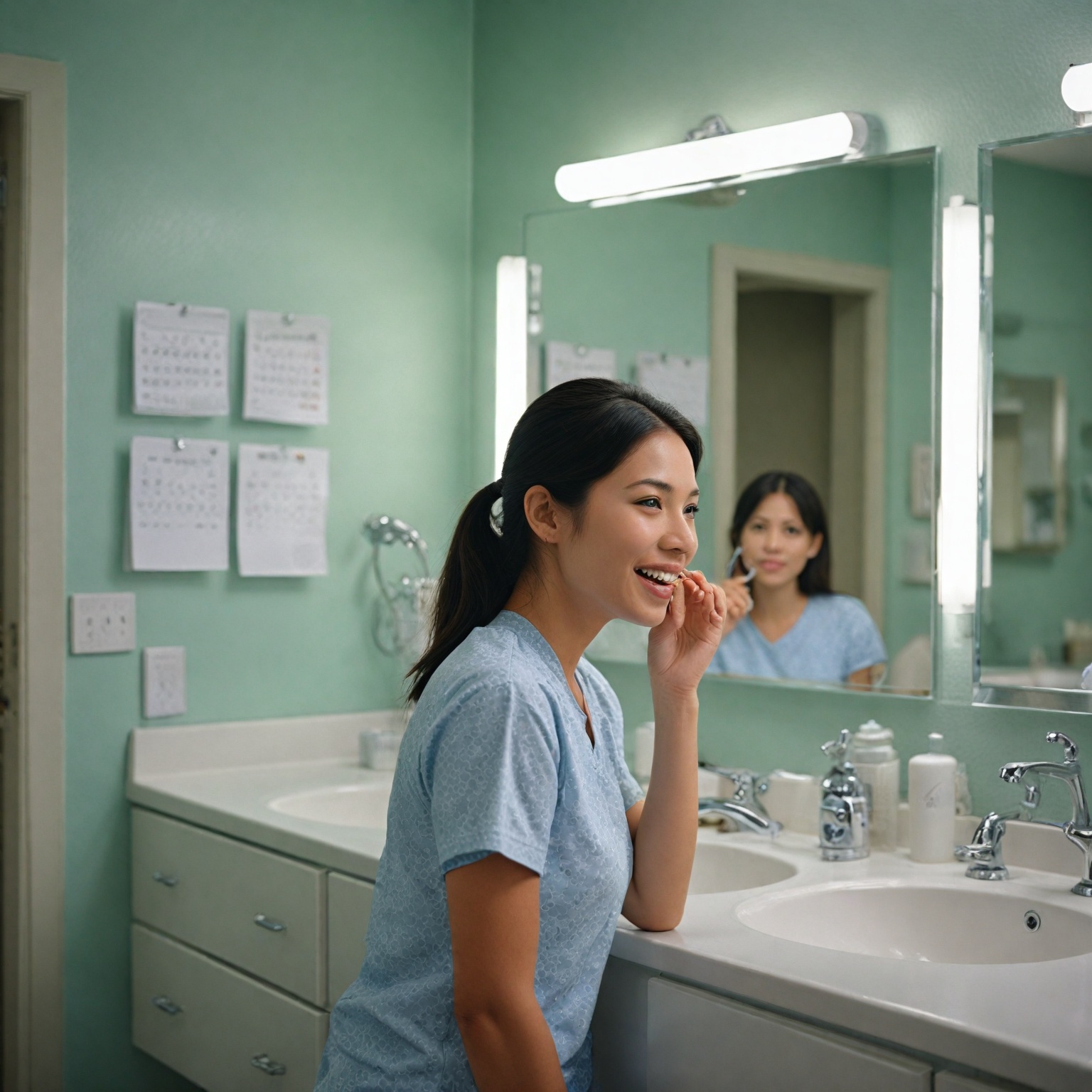
One of the most frequent mistakes in dental home care is infrequent brushing and flossing. Many individuals also rush through brushing, thereby missing vital surfaces that need cleaning. Dental health experts recommend brushing your teeth at least twice a day – in the morning and before bed – and after meals if possible. However, if you have consumed acidic foods or beverages, it’s advised to wait at least 30 minutes before brushing. Flossing is equally important for maintaining good oral health. Although comprehensive studies on the long-term benefits of flossing are scarce, short-term studies show that flossing can reduce gingivitis and plaque.
In choosing the right tools for your dental home care routine, opting for a toothbrush with soft bristles that comfortably fits your mouth is essential. Aggressive scrubbing can lead to enamel abrasion and gum recession, which in turn may lead to sensitivity issues and tooth structure loss. Soft-headed toothbrushes, or those approved by the American Dental Association (ADA), which come standard with soft heads, are preferable. Studies have shown that toothbrushes with multi-level bristles or angled bristles perform better at removing plaque than flat-trimmed bristles.
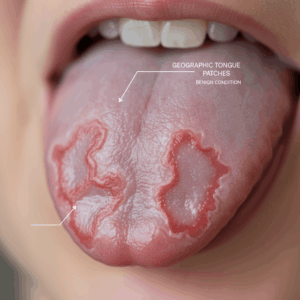
Additionally, remembering to clean the tongue is often overlooked but is a critical part of oral hygiene. A mucus-like coating of bacteria that builds up on the tongue needs to be removed daily. You can either brush your tongue from back to front with your toothbrush or use a tongue scraper. Following a thorough brushing guide, such as the Canadian Dental Association’s guide, can ensure that you brush for at least two minutes and don’t rush through the process.
Long-Term Impacts of Neglecting Dental Home Care
Neglecting dental health can have serious, far-reaching consequences beyond just oral health. The risks associated with poor dental hygiene extend to systemic health issues, and have been linked to conditions such as cardiovascular disease, diabetes, and respiratory infections.
Tooth decay and gum disease are common outcomes of poor dental hygiene, which can be avoided with regular care and maintaining good oral hygiene habits. This not only involves regular brushing but also adopting a healthy lifestyle, including a balanced diet and regular check-ups with dental professionals.
Brushing for at least two minutes and using fluoride toothpaste are shown to significantly reduce plaque and decrease the risk of caries, also known as cavities.
Despite the importance of these habits, there is a lack of consistency in the recommended cleaning procedures among dental societies, individual dental professionals, and manufacturers of oral hygiene products. As such, consultation with dental professionals for individualized dental care advice is crucial.
Addressing Barriers to Professional Dental Care
Maintaining good oral health is integral throughout an individual’s lifespan. However, various barriers, particularly financial ones, often hinder access to essential dental care services. Studies indicate that financial barriers to dental care can significantly contribute to poor oral health due to the inability to treat existing conditions .
In light of these findings, it is paramount to address and overcome these obstacles to enhance access to professional dental care. This could involve advocating for more inclusive insurance policies, promoting oral health awareness, and emphasizing the importance of regular dental checkups. By bridging these gaps, we can help individuals maintain their oral health and avoid the progression of dental problems .
Thus, understanding and addressing the barriers to professional dental care, particularly financial constraints, is an important step in promoting overall oral health. The pursuit of possible solutions, such as affordable dental care options and improved insurance coverage, is necessary to ensure everyone can access preventative and treatment services, regardless of their economic circumstances .
Preventive Measures for Common Errors in Dental Home Care
To facilitate this, understanding each person’s specific wishes and needs is fundamental, as it will not only encourage their involvement in their oral care but is also likely to enable the improvement of their oral hygiene and the development of effective oral care strategies for the future.
Preventative dental care provided by trusted professionals can significantly enhance oral health. Dentists in places like St. Augustine and Guelph can be trusted to assist with any dental problems, ranging from cavities to missing teeth, and gum disease. These dentists also provide preventive care, such as regular teeth cleanings and x-rays, helping to prevent common errors.
The content is provided by Blake Sterling, Lifelong Health Tips