Summary
Enhance Your Dental Health with a Trusted Companion explores the vital role of trust and support in dental care, emphasizing the relationship between patients and dental professionals, as well as the broader systems that facilitate access to oral health services. Trust in dental health is defined as a dynamic where patients place themselves in a vulnerable position, believing that their caregivers will act in their best interests. This foundational trust fosters person-centred care, enhances patient satisfaction, reduces anxiety, and improves adherence to treatment plans, ultimately contributing to better oral health outcomes.
The concept of a trusted companion extends beyond the dentist-patient relationship to include supportive services, insurance providers, and community organizations that help make dental care accessible and tailored to individual needs. For example, companies like Companion Life Insurance Company provide personalized dental coverage options that address diverse populations, helping to overcome financial and systemic barriers to care. Trusted companions also play a critical role in serving special populations, including older adults, children, and individuals with disabilities, by advocating for inclusive practices, adaptive tools, and specialized care environments.
Despite the recognized importance of trusted companions, challenges remain in communication, provider training, and infrastructure, particularly for patients with special healthcare needs and socioeconomic disadvantages. Limited research on measuring trust in dental settings and gaps in provider preparedness highlight the need for enhanced education, policy support, and validated tools to optimize these relationships. Addressing these challenges is crucial for promoting equitable, patient-centred dental care that supports long-term oral health.
Strategies to maximize the benefits of trusted companions include fostering effective communication, delivering personalized and inclusive care, and collaborating with insurance providers to improve access to preventive services. By strengthening these partnerships and integrating motivational techniques, dental professionals and supportive organizations can help patients maintain optimal oral health while navigating the complexities of dental care.
Understanding the Concept of a Trusted Companion
In the context of dental health, a trusted companion embodies the relationship of trust and support between patients and their dental care providers, as well as the systems that facilitate care. Trust is fundamentally defined as a dynamic where one party accepts a vulnerable position and believes that the other will act in their best interests. Specifically, it can be described as the healthcare professional acting as an advocate for the patient’s needs and well-being. This trusting relationship is essential for delivering person-centred care, where patient preferences and experiences are prioritized throughout treatment.
Effective communication plays a critical role in establishing and maintaining this trust. Dental professionals acknowledge that clear, empathetic interaction fosters a trusting alliance, which in turn can enhance patient satisfaction, reduce anxiety, and improve adherence to treatment plans. However, despite its recognized importance, there remains a scarcity of robust research specifically exploring how trust is defined, measured, and perceived within dental care, highlighting a need for further study and validated tools to assess this relationship comprehensively.
Beyond the dentist-patient interaction, the concept of a trusted companion extends to supportive services and insurance providers that facilitate access to dental care. Organizations like Companion Life Insurance Company emphasize personalized attention and creative solutions that align with employers’ and employees’ oral health needs, fostering trust through reliable and tailored coverage options. This multifaceted approach to trust encompasses not only interpersonal relationships but also systemic support mechanisms that contribute to an individual’s overall dental health experience.
Moreover, fostering professionalism and inclusivity through training and community outreach is recognized as vital for improving trust and service quality, particularly for special needs populations. Initiatives that integrate behavior change strategies and public policy efforts aim to equip dental teams with the competencies necessary to provide accessible and appropriate care, further reinforcing the role of trusted companions in diverse dental health contexts.
Importance of Dental Health
Oral health plays a critical role in overall health, well-being, and quality of life. It affects fundamental functions such as speech, smiling, taste, chewing, and social communication, making it an essential component of “healthy aging”. With advancements in oral health services and a greater emphasis on prevention, more people are retaining their natural teeth throughout their lifetime, underscoring the importance of maintaining good dental health.
Among elderly populations, particularly those aged 65 and above, common dental pathologies include periodontal disease, edentulism, dental caries, oral mucosal lesions, oral infections, and temporomandibular disorders. Poor oral health in older adults can lead to dietary limitations; for example, individuals with dentures or dental issues often avoid fruits and vegetables, instead consuming softer foods high in saturated fats and cholesterol, which negatively impacts their general health. Therefore, educating both older adults and their caregivers on proper oral hygiene and early preventive measures is vital to detect and manage dental diseases effectively.
Good oral hygiene practices offer numerous benefits such as healthier teeth and gums, fresher breath, a more attractive smile, and a reduced need for complex dental treatments like fillings, crowns, bridges, implants, or dentures. Furthermore, patients undergoing cancer treatments—including surgery, radiation, and chemotherapy—face increased risks of dental disease due to the aggressive nature of these therapies and their effects on the oral cavity.
Maintaining dental health also involves addressing infection control within dental practices, as potential sources of cross-contamination have been identified among patients, dental professionals, and staff, necessitating stringent hygiene protocols. Beyond physical health, restorative dental procedures can significantly boost self-esteem and emotional well-being, highlighting the holistic importance of dental care recognized by health practitioners.
Roles and Responsibilities of a Trusted Companion
A trusted companion in dental health plays a vital role in fostering a supportive and safe environment for patients throughout their oral care journey. Central to this role is the establishment and maintenance of trust, which is fundamental to effective, person-centred dental care. Trust is defined as the relationship where one party, often the patient, assumes a vulnerable position and believes the other, such as the dental professional or companion, will act in their best interest. By acting as an advocate for the patient’s needs and concerns, a trusted companion helps reduce anxiety, enhances patient satisfaction, and encourages compliance with treatment recommendations.
One of the primary responsibilities of a trusted companion is ensuring strict adherence to infection control protocols within dental settings. This includes monitoring the proper disinfection of instruments, impressions, and operating areas, thereby minimizing risks of cross-contamination among patients, dental staff, and ancillary personnel. Staying informed of current guidelines from authoritative bodies like the CDC, OSHA, and ADA is crucial to maintain the highest standards of hygiene and safety, thereby contributing to patient confidence and trust in the dental care environment.
Additionally, trusted companions support patients in managing their oral hygiene regimens at home. This involves helping design personalized care plans that are both practical and consistent, emphasizing the use of approved oral health products, such as those bearing the ADA Seal of Acceptance. They may also guide patients in the appropriate use of interdental brushes and other hygiene aids, ensuring proper techniques that protect gums while effectively cleaning hard-to-reach areas.
For patients undergoing orthodontic treatment or using dental appliances like retainers, dentures, or nightguards, trusted companions provide crucial assistance in maintenance and care. They encourage adherence to rigorous hygiene routines and facilitate regular dental check-ups to monitor oral health and the condition of these devices, thereby extending their effectiveness and lifespan.
Moreover, trusted companions often act as intermediaries during discussions about dental care costs, helping patients explore financing options discreetly and making necessary treatments more accessible. Beyond practical support, they contribute empathetically by understanding patients’ experiences and feelings, which helps reduce anxiety and improves overall clinical outcomes.
In cases where patients face additional challenges, such as cognitive impairments or mental health issues like depression, trusted companions play an essential role in ensuring consistent daily oral hygiene and facilitating professional care to prevent neglect and its associated complications.
Adaptive Tools and Techniques for Caregiving
Caring for individuals with cognitive or physical impairments presents unique challenges in maintaining oral hygiene, but various adaptive tools and techniques can facilitate effective dental care. For caregivers assisting older adults or those with disabilities, employing specialized equipment and strategies is essential to overcome difficulties related to dexterity, mobility, and cooperation.
One common barrier is reduced manual dexterity, which can hinder the ability to hold and manipulate toothbrushes and floss. Modified toothbrushes are designed to accommodate these limitations; examples include brushes with longer handles, angled heads, and softer bristles, all intended to improve grip and control for users with restricted hand function or sensory impairments. Toothbrush adaptors, which enhance gripping ability, are also available to help individuals who struggle to hold standard toothbrushes. Additionally, three-sided toothbrushes—both sonic and manual variants—allow for more efficient cleaning with less effort.
Flossing, often requiring fine motor skills, can be facilitated through the use of floss holders such as The Original FlossAid or hands-free devices like Gfloss, which hold floss taut and reduce the need for finger dexterity. These tools enable caregivers and patients to maintain interdental cleaning more easily.
For those with mobility challenges, accessing the dental operatory or managing oral care routines may necessitate special arrangements or assistance with positioning and transfers. Establishing a home care regimen tailored to the individual’s capabilities and preferences can improve adherence to oral hygiene practices.
When cognitive impairments, such as dementia, complicate cooperation during tooth brushing, caregivers are encouraged to try different toothpaste flavors or warm water to increase comfort and acceptance. For children or individuals resistant to brushing, dental wipes and tooth gels offer alternative methods to clean teeth and maintain oral health without the need for a toothbrush.
Proper cleaning of dental appliances also requires attention; ordinary toothpaste may damage softer plastic materials due to abrasiveness, promoting bacterial buildup and odors. Instead, mild liquid soaps with antibacterial agents or specialized non-abrasive denture pastes are recommended for cleaning these devices.
Trusted Companion Support Across Different Populations
Companion Life Insurance Company offers tailored dental coverage options that address the unique needs of diverse populations, emphasizing the importance of oral health for all age groups and special needs communities. By fostering relationships with employers and employees, Companion Life ensures that dental care is accessible and supportive across different demographic groups.
Support for Children and Adolescents
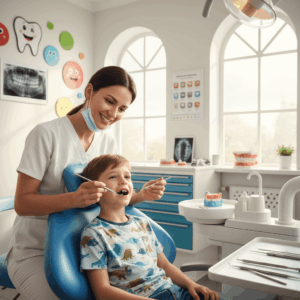
Creating child-friendly dental environments is crucial in encouraging young patients to feel comfortable and engaged during their visits. Dental professionals often collaborate with local children’s centers and primary schools to facilitate access to dental services and provide oral health education and support. Understanding that dental fear can impact adolescents’ perceptions of care, efforts are made to build trust between dental staff and young patients to improve treatment outcomes. Additionally, dental insurance benefits are often structured differently for children under 18, recognizing their specific developmental needs.
Addressing Oral Health in Older Adults
Oral health in older adults is a significant focus, given the high prevalence of chronic diseases and comorbidities that affect this population. Aging is associated with challenges such as cognitive decline, including mild cognitive impairment and dementia, which complicate self-care practices like medication management and dental hygiene. Mobility limitations also pose barriers to accessing dental care, necessitating adaptations in dental practices and facilities to accommodate assistive devices and transfers.
Research highlights a connection between oral health problems—such as tooth loss and the need for dental prostheses—and increased frailty among seniors. Periodontal disease is especially common in this group, affecting approximately 70% of those aged 65 and older, with significant implications for systemic health conditions like diabetes. Early diagnosis and treatment of oral cancer, which includes various cancers of the lip, oral cavity, and pharynx, are vital in improving survival rates in elderly populations.
Efforts to improve oral health in seniors include mobile dental services that bring care directly to long-term care facilities, senior centers, or private homes, helping overcome access challenges. Providers stress the importance of maintaining rigorous infection control and hygiene protocols to protect this vulnerable group.
Dental Care for Individuals with Disabilities
Providing dental care to patients with disabilities requires modifications tailored to physical, medical, developmental, and cognitive impairments. These patients may need specialized equipment, programs, or support services to receive appropriate care. Compliance with accessibility standards, such as those mandated by the Americans With Disabilities Act, ensures wheelchair access and facilitates safe patient transfers within dental offices.
Special care dentistry organizations and dedicated clinics focus on meeting the needs of this population by offering professional mobile dental care and fostering expertise in managing complex conditions. Daily at-home oral care is also emphasized for disabled adults, who often face economic, social, and transportation barriers that limit access to traditional dental services. Providing personalized attention and creative solutions helps overcome these challenges, ensuring equitable oral health care for all.
Types of Trusted Companions
In the realm of dental health, trusted companions play a vital role in supporting patients through their oral care journey. These companions include various dental professionals and supportive organizations that contribute to building trust and delivering comprehensive care.
Dental Professionals
Dental Hygienists and Dental Assistants
Dental hygienists and dental assistants are key frontline providers in dental care. Dental hygienists, beyond their traditional role of cleaning teeth and advising on oral hygiene, are increasingly recognized for their ability to detect systemic diseases that manifest orally, such as diabetes and cardiovascular conditions. By assessing patients’ overall health status and recognizing early signs and symptoms of such diseases, they facilitate timely referrals and interprofessional collaboration, thereby integrating oral health with overall health management. Dental assistants support the dental team in clinical and administrative tasks, contributing to a smooth and trustworthy patient experience.
Dentists and Special Care Providers
Dentists are central to establishing a trusting relationship with patients, often enhanced by effective communication and continuity of care. Particularly in Special Care Dentistry, professionals focus on promoting oral health for individuals with special needs, providing tailored care that considers complex health and social factors. This trust is essential for patient-centered care and helps ensure adherence to treatment plans and better health outcomes.
Supportive Organizations and Networks
Several organizations contribute to enhancing trust and providing specialized support within dental care. For example, the Special Care Dentistry Association advocates for improved oral health among people with disabilities, while the Developmental Disabilities Nurses Association offers education and support for nurses caring for individuals with intellectual and developmental disabilities. Additionally, clinics like the Dental Education in the Care of Persons with Disabilities (DECOD) provide focused dental services to those with developmental and acquired disabilities, fostering specialized, trusted care environments.
The Role of Trusted Companions in Patient Care
Trusted companions in dental health are not limited to professionals but also include local health boards and community partners. In regions like England, Health and Wellbeing Boards are involved in strategic planning that raises the profile of oral health and facilitates partnerships between dental teams and local decision-makers. These relationships often grow over years and across generations, enabling dental professionals to gain unique insights into patients’ lives and build deeper trust.
Impact of Trusted Companions on Dental Health Outcomes
The presence of a trusted companion, such as a dental professional who effectively communicates and builds trust with patients, plays a significant role in improving dental health outcomes. Dental professionals acknowledge that effective, patient-centered communication is essential in establishing a trusting alliance, which positively influences patients’ reception of treatments, adherence to advice, and future dental health-seeking behaviors. Despite limited research in this area, existing evidence suggests that favorable dentist-patient relationships (DPRs) are empirically associated with better oral health-related quality of life (OHRQoL).
Moreover, educating patients through transparent communication—such as explaining the tooth numbering system and comparing their dental disease status to overall dental health—can increase case acceptance and promote healthier patient outcomes. Empathy demonstrated by dental professionals further enhances this trust, making patients and dental team members feel valued and supported, which contributes to improved oral health maintenance.
Financial barriers remain a challenge to accessing dental care for many adults, even with policies like the Affordable Care Act improving access for children. Trusted companions who offer support and guidance, including those affiliated with dental insurance networks, help mitigate these challenges by facilitating access to care and providing personalized attention to insured individuals[
Challenges and Considerations in Utilizing Trusted Companions
Utilizing trusted companions in dental care presents several challenges and important considerations that must be addressed to ensure effective patient support and improved oral health outcomes. One key challenge involves communication, as dental professionals recognize its critical role in building trust with patients but often find limited research and validated tools to measure this trust accurately. Effective communication is essential not only for fostering a trusting relationship but also for encouraging patient adherence to treatment plans and promoting positive dental-health-seeking behaviors.
Another significant consideration is the management of patients with special healthcare needs and disabilities (SHCND). Dentists frequently report feeling inadequately prepared or lacking the necessary knowledge and tools to provide optimal care for this population, which reduces the availability of willing providers. This gap highlights the importance of specialized training and service-learning opportunities that involve direct interaction with patients with special needs, thereby improving both provider competence and patient experiences.
Infrastructural and institutional barriers also complicate the role of trusted companions, particularly for persons with disabilities (PWDs). These barriers include long wait times, insufficient accommodations, and limited institutional support, which can lead to patient and caregiver frustration and diminished access to quality care. Addressing these issues requires a multilayered approach rooted in behavior change strategies and public policy initiatives, focusing on training healthcare providers, caregivers, and the wider community to enhance inclusivity and responsiveness within dental services.
Finally, the inequality of oral health outcomes across different dental service sectors, often linked with socioeconomic disadvantages, underscores the need for systemic efforts to ensure that trusted companions can effectively advocate for and support patients from diverse backgrounds. Overcoming these challenges is crucial to fully harness the benefits of trusted companions in dental health and to provide equitable, patient-centered care.
Strategies to Maximize the Benefits of Trusted Companions
Building and maintaining trust between dental professionals and patients is essential to maximize the benefits offered by trusted companions in dental health care. Effective communication plays a central role in establishing this trust, as dental professionals recognize its importance in creating a strong, trusting alliance with their patients. Such relationships can enhance patient satisfaction, reduce anxiety, and improve compliance with dental care recommendations. To further strengthen this bond, dental providers should focus on delivering person-centered care by acting as advocates for their patients’ best interests.
Another key strategy involves understanding and addressing the diverse needs of patients, including those with disabilities. Caregivers and dental professionals have highlighted the need for better accommodation and institutional support to ensure equitable access and responsiveness within dental services. Addressing infrastructural and social support challenges can help foster a more inclusive environment where all patients feel valued and cared for.
Motivation also plays a critical role in promoting oral health. Tailored education aimed at unlocking patient motivation can lead to better retention of information and positive habit formation. Dental professionals often employ various motivational techniques, but a common thread is that patients are more likely to absorb advice from trusted individuals. Thus, building trust facilitates the effectiveness of educational interventions and supports long-term oral health improvement.
Finally, practical collaboration with trusted partners, such as Companion Life Insurance Company, helps ensure that patients have access to appropriate insurance products covering essential preventive procedures like dental cleanings and X-rays. This collaboration provides the stability and personalized support needed to navigate dental benefits, ultimately enhancing oral health outcomes. Additionally, dental practices can adopt sustainable practices, such as recycling toothbrushes and toothpaste tubes, which not only contribute to oral health but also promote environmental responsibility.
The content is provided by Jordan Fields, Lifelong Health Tips