Summary
Unveiling the Secret Link Between a Bright Smile and Oral Health explores the multifaceted relationship between the aesthetic qualities of a bright smile and the underlying oral health that supports it. Moving beyond the traditional view of oral health as merely the absence of disease, this topic highlights how a bright smile reflects a complex interplay of biological, psychological, and social factors, including healthy teeth, gums, and oral microbiota. Recognized by organizations such as the FDI Dental World Federation, oral health encompasses not only physical wellness but also the ability to perform essential functions like smiling, speaking, and chewing without pain or discomfort, underscoring its importance for overall well-being.
The brightness of a smile is influenced by dental and gingival components, including enamel integrity, gum health, and the balance of oral microbial communities. Research has shown that dental plaque, enamel demineralization, and periodontal diseases can impair smile aesthetics by causing discoloration, gum inflammation, and structural damage to teeth and supporting tissues. Conversely, maintaining good oral hygiene, proper diet, and regular professional care fosters a healthy oral environment that preserves the natural whiteness and harmony of a smile, which in turn supports fresh breath and prevents systemic health complications linked to oral infections.
Beyond biological mechanisms, a bright smile holds significant psychological and social value. It enhances self-esteem, fosters positive social interactions, and can influence socioeconomic opportunities by affecting how individuals are perceived by others. Smiling also plays a role in emotional well-being, acting as a natural mood enhancer. These social and psychological dimensions demonstrate that a bright smile is not only a marker of health but also a vital component of human communication and quality of life.
The topic also addresses controversies and misconceptions surrounding smile enhancement practices. While cosmetic whitening and mouthwashes are popular, concerns exist about their effects on the oral microbiome, potential side effects, and long-term safety. Moreover, reliance solely on diet or whitening products without proper hygiene is insufficient for sustaining oral health and smile brightness. Ongoing innovations in oral care, including personalized hygiene strategies and advanced diagnostic tools, continue to deepen the understanding of how to maintain a healthy, bright smile that reflects overall health and well-being.
Historical Background
The understanding of oral health and its broader implications has evolved significantly over time. Early research into periodontal disease, such as the ultrastructural studies conducted by Selvig in 1966, provided foundational insights into the changes occurring in cementum and adjacent connective tissues during periodontal disease progression. Traditionally, oral health was viewed primarily as a disease-free state necessary for normal mouth function. However, this perspective has expanded considerably in recent decades.
More contemporary definitions recognize oral health as a multifaceted concept that encompasses physical, psychological, emotional, and social dimensions. The FDI Dental World Federation has highlighted that oral health involves not only the absence of disease but also the ability to perform essential functions such as smelling, tasting, chewing, swallowing, smiling, and speaking, all without discomfort or pain. This broadened view reflects the dynamic and subjective nature of oral health, emphasizing its importance for overall well-being and quality of life.
Furthermore, scientific inquiry has uncovered links between oral health and systemic conditions. Periodontitis, once considered a localized disease, has now been causally connected to the development of other chronic inflammatory diseases beyond the oral cavity. This paradigm shift underscores the integral role of oral health within the broader context of general health.
In addition, evolving microbiological research has challenged the traditional focus on classical periodontal pathogens such as Treponema denticola, Porphyromonas gingivalis, and Tannerella forsythia. It is now recognized that other bacterial species, sometimes below the detection threshold of earlier methods, may contribute to periodontal disease, expanding the understanding of its etiology.
Collectively, these advances mark a significant transformation in the historical understanding of oral health, from a narrow focus on disease absence to an inclusive concept intertwined with systemic health, psychological well-being, and social interaction.
Defining a Bright Smile
A bright smile is more than just the upward curving of the lips; it encompasses a harmonious combination of dental and gingival components that contribute to its aesthetic appeal and overall health. According to Webster, a smile is defined as “a change of facial expression involving a brightening of the eyes, an upward curving of the corners of the mouth with no sound and less muscular distortion of the features than in a laugh,” which can express a variety of emotions such as amusement, pleasure, and approval.
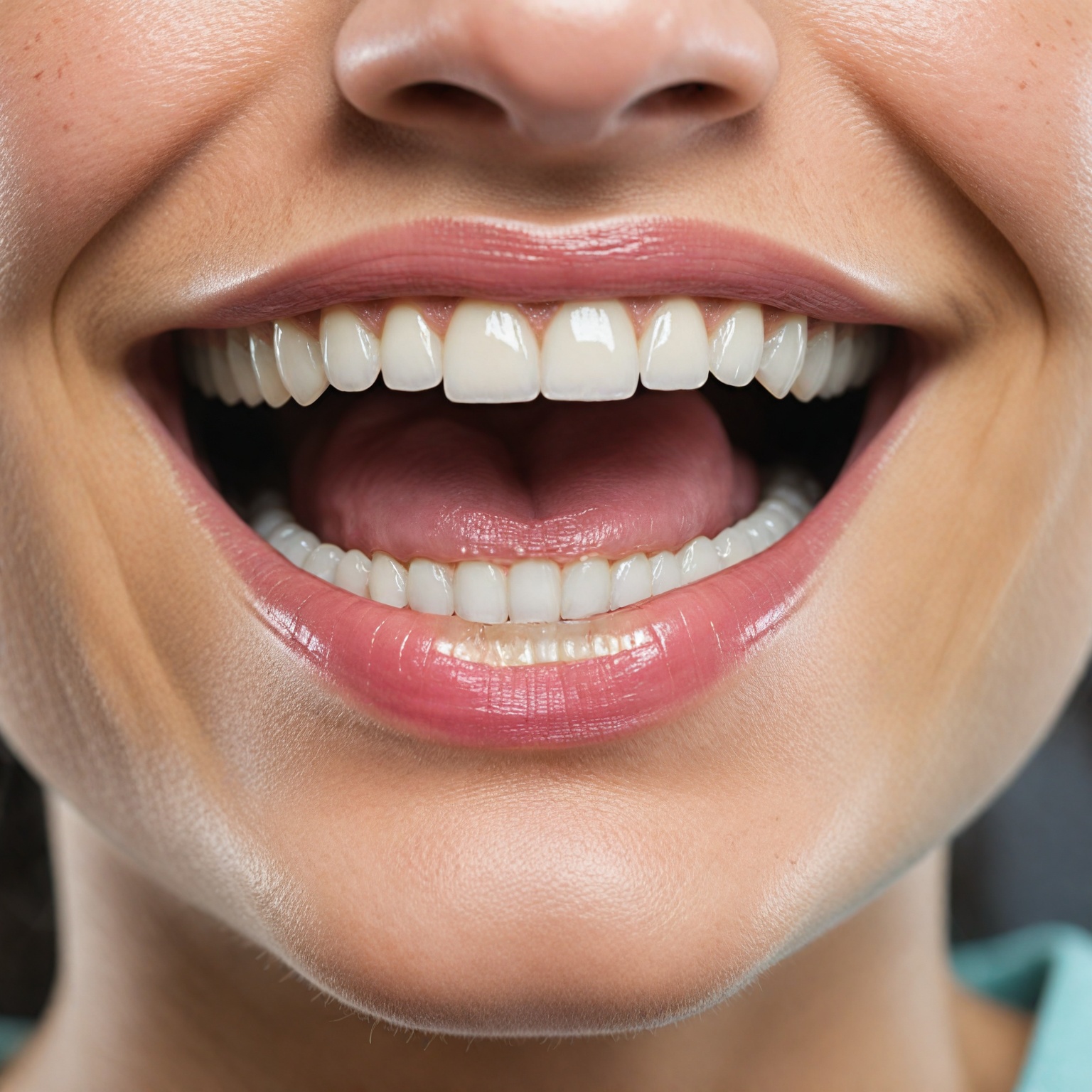
The dental aspect of a bright smile primarily involves the display of healthy, well-aligned teeth free from discoloration, stains, or structural defects. Factors such as midline diastema (a gap between the two upper front teeth) and lack of interproximal contacts (contact points between adjacent teeth) can disrupt the continuity and harmony of the dental composition, affecting the smile’s attractiveness. In addition to teeth, the gingival components—including the color, contour, texture, and height of the gums—play a crucial role in defining a smile’s brightness. Inflammation, blunted papillae, open gingival embrasures (black triangles), and uneven gingival margins can detract from the smile’s esthetic quality and signal underlying oral health issues.
Smile classification further helps in understanding what constitutes a bright smile. For example, a “high smile” is characterized by the complete display of the incisors’ length along with some gingival exposure, whereas an “average smile” shows about 75–100% of the upper incisors and the interdental papilla (the gum tissue between teeth). This classification highlights the importance of both dental and gingival aesthetics in the perception of a smile.
Beyond aesthetics, a bright smile reflects good oral health, which is vital for strong teeth, fresh breath, and the prevention of gum diseases that can impact other body systems. The oral cavity’s health influences not only physical well-being but also social interactions, self-esteem, and even socioeconomic status, as the appearance of one’s teeth and gums affects how individuals are perceived and how they perceive themselves. Therefore, a bright smile is a multifaceted indicator that combines biological, behavioral, and social factors, making it essential for overall health and confidence.
Anatomy and Biology Related to Smile Brightness
A bright smile is the result of a complex interplay between various anatomical structures and biological processes. At the core of smile brightness is the condition of the teeth and gums, which are influenced by both intrinsic factors such as enamel hardness and extrinsic factors like oral microbiota and diet.
Teeth are covered by enamel, the hardest substance in the human body, which protects the underlying dentin and cementum. The microhardness of these layers plays a crucial role in maintaining tooth integrity and brightness. Studies have shown that periodontal disease can affect the hardness of cementum and dentin, leading to structural changes that impact smile aesthetics. Additionally, the color of teeth can be affected by pigmentation from food and drink, as well as plaque accumulation, which leads to discoloration and dullness over time.
Dental plaque, a sticky biofilm composed mainly of bacteria, fungi, and other microorganisms, forms on tooth surfaces and along the gumline. Its buildup not only contributes to discoloration but also increases the risk of tooth decay and periodontal diseases such as gingivitis and periodontitis. These diseases disrupt the balance of the oral microbiome, a diverse ecosystem of bacteria, fungi, archaea, and viruses that under healthy conditions maintains oral health through commensal relationships. However, shifts in this balance, known as dysbiosis, allow pathogenic species like Streptococcus mutans to thrive, producing acids that demineralize enamel and cause cavities, further compromising smile brightness.
Maintaining a healthy oral microbiome and controlling plaque formation are essential for preserving the natural whiteness of teeth and overall oral health. Oral hygiene practices such as regular tooth brushing, flossing, and the use of interdental aids disrupt plaque biofilms, preventing the progression of decay and gum disease. Moreover, diet plays a significant role; consuming fruits, vegetables, dairy, nuts, seeds, and whole grains rich in vitamins, antioxidants, and minerals can strengthen enamel and inhibit stain formation, contributing to a brighter smile.
Oral Health and Its Impact on Smile Appearance
A bright and healthy smile is not only an aesthetic asset but also a key indicator of overall oral health. Good oral hygiene plays a crucial role in maintaining strong teeth, fresh breath, and preventing gum diseases that can affect both oral and systemic health. The appearance of a smile is directly influenced by the condition of the teeth and gums, with healthy gums exhibiting a bright pink color and proper contour that enhances the size and shape of the teeth.
Teeth discoloration is often caused by the color tint of foods consumed, as well as plaque buildup and enamel erosion. Certain dietary choices, including fruits, vegetables, dairy products, nuts, seeds, herbal teas, and whole grains, provide vitamins, antioxidants, and minerals that strengthen enamel and combat stains and plaque over time, thereby promoting a brighter smile. Maintaining proper oral hygiene through regular tooth brushing and use of interdental aids is essential to control plaque and prevent the formation of dental biofilms, which can acidify the oral environment, leading to tooth demineralization and decay.
Gum health significantly impacts smile aesthetics. Inflammation of the gums, or gingivitis, manifests as redness, swelling, and bleeding, detracting from the esthetic quality of the smile. If left untreated, gingivitis can progress to periodontitis, a more severe inflammatory disease that causes gum recession, soft tissue damage, bone loss, and tooth mobility. These conditions not only affect the appearance of the gums but also expose tooth surfaces, increasing vulnerability to cavities and further bacterial colonization. Moreover, uneven or excessive gum tissue can distort the smile’s balance, but modern treatments like soft tissue laser sculpting can restore a more pleasing gum line and enhance smile aesthetics.
Beyond appearance, good oral health supports a robust immune system, which helps fight infection and inflammation, indirectly contributing to a healthier and more confident smile. The oral microbiome, a complex ecosystem of bacteria and other microorganisms, maintains a symbiotic relationship with the host under healthy conditions. Disruption of this balance, or dysbiosis, leads to oral diseases such as dental caries and periodontal disease, further impacting both oral function and smile appearance.
Biological Mechanisms Linking Oral Health and Smile Brightness
The brightness of a smile is closely connected to underlying oral health through several biological mechanisms involving enamel integrity, bacterial activity, and the body’s inflammatory responses. The colour tint of consumed foods directly impacts teeth, contributing to discoloration over time. However, certain nutrients found in fruits, vegetables, dairy products, nuts, seeds, herbal teas, and whole grains provide vitamins, antioxidants, and minerals that strengthen enamel and help combat stains and plaque buildup, thereby maintaining smile brightness.
At the microbial level, the oral cavity hosts a diverse community of bacteria that play crucial roles in oral health. Oral alkaline-producing species such as Streptococcus gordonii and Actinomyces spp. help neutralize acidity in the mouth, limiting the growth of acidogenic bacteria associated with dental caries and oral cancers. Moreover, these bacteria produce bioactive metabolites, including bacteriocins and lantipeptides, which can disrupt harmful cells and potentially contribute to oral cancer treatment. The adaptability of oral bacteria, such as mutans streptococci, to acidic environments is linked to their ability to up-regulate genes that protect against acid stress, influencing biofilm formation and dental decay progression.
Chronic inflammation acts as a central biological pathway linking oral health to the appearance of the smile. Periodontal diseases like chronic periodontitis arise from bacterial infections that provoke an immune response involving leukocytes releasing pro-inflammatory cytokines. This persistent inflammation not only damages periodontal tissues but also promotes systemic inflammatory burden, which can exacerbate diseases such as cardiovascular conditions, diabetes, and certain cancers. The progression of periodontitis thus undermines gum health and contributes to unsightly changes in the oral environment, including discoloration and structural degradation, negatively affecting smile aesthetics.
Furthermore, poor oral hygiene and resulting gum diseases have been associated with a range of systemic health issues, underscoring the importance of maintaining oral health for both a bright smile and overall well-being. Some severe infections like Acute Necrotizing Ulcerative Gingivitis can cause visible discolorations such as black or grey gums, while systemic conditions like Addison’s disease may also present dark spots on oral tissues, further impacting the visual quality of the smile.
Psychological and Social Implications of a Bright Smile
A bright smile holds significant psychological and social value beyond its biological and aesthetic aspects. Psychologically, smiling has been shown to elevate mood and enhance emotional well-being, serving as a natural mood booster that can reduce stress and foster positive feelings. The ability to smile confidently also plays a crucial role in how individuals perceive themselves, contributing to improved self-esteem and mental health.
Socially, a bright smile greatly influences interpersonal interactions and the way others perceive an individual. It serves as a powerful form of nonverbal communication, conveying emotions and social cues that can strengthen relationships and social bonds. The appearance of one’s teeth and surrounding oral structures impacts social status and can affect a person’s ability to work and engage in community activities, thereby influencing their socioeconomic position. Moreover, maintaining good oral health and a bright smile promotes fresh breath and prevents conditions that could lead to discomfort or embarrassment, further supporting social confidence and interaction.
Maintaining a Bright Smile Through Oral Hygiene
Achieving and maintaining a bright smile is fundamentally linked to proper oral hygiene, which plays a crucial role in overall wellness. Regular brushing, flossing, and professional dental visits are essential components of this routine, helping to prevent costly dental treatments and improve self-confidence through a radiant smile. Good oral hygiene not only enhances appearance but also promotes fresh breath, prevents gum diseases, and reduces the risk of systemic health issues related to poor oral care.
Toothbrushing remains the cornerstone of oral hygiene routines, recommended twice daily for two minutes with a soft-bristled toothbrush. This mechanical action displaces plaque and oral bacteria from teeth and gums, mitigating long-term damage caused by bacterial by-products. However, brushing alone cannot effectively clean the interdental spaces between teeth, where plaque tends to accumulate.
Interdental cleaning using floss or interdental brushes complements toothbrushing by removing food particles and bacterial films in these hard-to-reach areas. Research suggests that combining interdental cleaning with brushing is more effective at reducing plaque and gingivitis than brushing alone, with interdental brushes potentially being more efficient and easier to use than traditional floss. Many patients prefer interdental brushes due to their comfort and ease of use, which may increase compliance and help establish consistent daily habits.
Additionally, the use of mouthwashes as an adjunct to mechanical cleaning may provide further benefits in managing plaque, gingivitis, and periodontal disease, although their effectiveness is most significant when combined with brushing and flossing. Mouthwashes containing chlorhexidine, essential oils, or cetylpyridinium chloride show promise, but evidence supporting natural or alternative mouthwashes remains limited.
Innovations and Recent Research
Recent advancements in oral health research have increasingly adopted systems-biology approaches to better understand the complex interactions between host and oral microbiota. Utilizing high-throughput measurement techniques, studies are redefining the dynamic nature of host–bacteria interactions within the highly intricate environment of the oral cavity. These methods enable analyses at multiple levels, providing insights that challenge traditional paradigms and open new avenues for oral health management.
In parallel, behavioral strategies aimed at improving oral hygiene have gained prominence, emphasizing patient-centered goal-setting and planning. Effective interventions involve collaboratively determining the specific behaviors to adopt, the methods to implement them, and the timing for these changes. To facilitate routine adaptation, oral care professionals are increasingly recommending the use of interdental brushes or rubber picks, which, when suitable for the interdental spaces, are often easier to use than traditional flossing techniques.
Research on the oral microbiome has highlighted its delicate balance under healthy conditions, where a commensal relationship with the host is maintained. However, shifts in microbial populations can lead to dysbiosis, promoting the development of major oral diseases
Cultural and Global Perspectives on Smiles and Oral Health
Smiling is a universal human expression that transcends cultures, often serving as a powerful social and emotional signal. Webster defines a smile as “a change of facial expression involving a brightening of the eyes, an upward curving of the corners of the mouth with no sound and less muscular distortion of the features than in a laugh,” which can express a wide range of emotions such as amusement, pleasure, affection, approval, or irony. Across the globe, a smile is more than a simple facial movement; it is a complex interplay of biology, psychology, and social interaction that reflects one’s emotional state and social intentions.
From a cultural standpoint, the interpretation and social significance of a smile can vary widely. In many societies, a bright smile is associated with happiness, friendliness, and approachability, often serving as a social lubricant that fosters communication and trust. Consequently, maintaining oral health and a radiant smile is not only a matter of personal well-being but also of social importance. This global emphasis on the aesthetics and functionality of a smile has led to increased awareness of oral health as a vital component of overall health.
The FDI Dental World Federation has broadened the understanding of oral health to encompass the ability to smile with confidence and without discomfort, pain, or disease in the craniofacial region. This expanded definition acknowledges that oral health is multifaceted, involving sensory and functional abilities such as speaking, chewing, swallowing, tasting, smelling, and conveying a variety of emotions through facial expressions. As such, a healthy smile is emblematic of more than just disease-free teeth; it represents holistic oral function and emotional well-being.
Globally, initiatives such as World Oral Health Day emphasize the importance of proactive dental care practices that contribute to a bright and healthy smile, which in turn supports overall health and happiness. These efforts underscore the interconnectedness of oral health with quality of life, social confidence, and even immune function, highlighting that smiles are both a personal and cultural asset. Furthermore, dietary choices across cultures influence the coloration and health of teeth, with certain foods rich in vitamins and antioxidants playing a role in maintaining enamel strength and preventing discoloration, thereby supporting a radiant smile worldwide.
Controversies, Misconceptions, and Safety Considerations
While maintaining a bright smile is often associated with good oral hygiene, several controversies and misconceptions surround the methods used to achieve and sustain dental whiteness. One major concern involves the use of mouthwashes and whitening products, which, despite their popularity, may lead to adverse effects such as oral microbiome dysbiosis, bacterial resistance, systemic health issues, and environmental contamination. Clinicians are thus encouraged to weigh the benefits of these products against potential risks, considering national guidelines and the best available evidence before recommending their use.
Another common misconception is that tooth whitening can be effectively achieved solely through dietary choices. Although certain foods and beverages rich in vitamins, antioxidants, and minerals can contribute to enamel strength and help reduce stains and plaque buildup, they are complementary rather than standalone solutions. Good oral hygiene practices, professional cleanings, and controlled whitening treatments remain essential for long-lasting results.
Patient compliance also plays a crucial role in oral health outcomes. While traditional brushing is widely understood and practiced, interdental cleaning—a relatively newer concept—often faces barriers due to lack of awareness. However, evidence suggests that many patients prefer interdental brushes over other methods, which may enhance motivation and the adoption of daily oral care rituals. Encouraging the use of interdental cleaning alongside brushing can significantly reduce plaque and improve overall oral health, thereby supporting a brighter smile.
Additionally, social and behavioral factors, such as unhealthy eating habits and lower educational attainment, contribute to oral health disparities and complicate prevention strategies. These factors are linked to increased risks of tooth loss, periodontal disease, and poor oral hygiene, emphasizing the need for personalized risk assessment and tailored preventive measures.
The content is provided by Harper Eastwood, Lifelong Health Tips