Summary
Empower Yourself Join Stroke Prevention Day is a global public health campaign aimed at raising awareness about stroke prevention and encouraging proactive health behaviors to reduce the incidence and impact of stroke worldwide. Stroke remains the second leading cause of death and disability globally, with a growing burden particularly in developing countries due to factors such as aging populations, socioeconomic disparities, and limited healthcare access. The campaign addresses this urgent public health challenge by educating individuals about stroke risk factors, warning signs, and the importance of timely intervention.
The initiative employs diverse communication strategies, including animations, social media engagement, and survivor storytelling, to connect emotionally with the public and emphasize the potential losses caused by stroke—such as mobility, speech, and independence. By featuring real-life recovery stories and promoting physical activity through sports and fitness, the campaign seeks to inspire empowerment and resilience among stroke survivors and the wider community. It also provides comprehensive toolkits and resources to facilitate local outreach, including event planning guides, educational materials, and online learning opportunities.
Recognizing the need for culturally sensitive and accessible messaging, the campaign prioritizes tailored outreach to minority and underserved populations, addressing trust deficits and enhancing community engagement. Its multifaceted approach aligns with evidence from prior public health efforts demonstrating that mass media campaigns and community-based interventions can significantly improve stroke knowledge and preventive behaviors, especially when targeting high-risk groups. The campaign’s global relevance is reinforced through collaborations with international stroke organizations and integration with events such as World Stroke Day.
Despite its successes, the campaign and stroke prevention efforts face ongoing challenges, including disparities in healthcare infrastructure, the need for locally tailored interventions, and engagement of hard-to-reach populations. Future directions emphasize strengthening health system linkages, policy support for healthy environments, and continued innovation in educational strategies to sustain long-term stroke prevention worldwide.
Background
Stroke is the second leading cause of death and disability worldwide, with its burden increasingly shifting from developed to developing countries. Approximately 75% of all stroke deaths and 81% of the total disability-adjusted life years lost due to stroke now occur in developing nations, driven by factors such as aging populations, population growth, changing disease patterns, socioeconomic disparities, and differences in healthcare access. This shift has made stroke a major public health priority globally.
Public awareness of stroke warning signs is crucial for timely intervention and improved outcomes. Educational campaigns employing mass media have been used to track and enhance awareness of these warning signs in various communities. Interactive and engaging environments have also been developed to help individuals recognize what stroke symptoms might look, feel, or sound like.
Prevention efforts focus on understanding risk factors, managing hypertension, and promoting cardiovascular health, particularly in low- and middle-income countries where the burden is greatest. Emerging strategies include the use of community health workers for hypertension control and cardiovascular risk assessment, as well as the implementation of polypills, although further evidence is needed to establish their acceptability and effectiveness in diverse settings.
Comprehensive primary and secondary prevention strategies are essential but remain insufficiently utilized or effective in many regions. Public health actions emphasize epidemiology and surveillance to identify care gaps, improve health system interventions, enhance community-clinical linkages, and implement broad environmental changes to promote healthier behaviors and easier access to preventive resources. Motivation and reinforcement are recognized as key components for sustaining lifelong interventions, which may involve either community-engaged or structural approaches to secondary stroke prevention.
Given the heightened risk of recurrent stroke among survivors, ongoing education and prevention checklists serve as important tools to reduce subsequent events and improve long-term health outcomes.
Campaign Overview
The Empower Yourself Join Stroke Prevention Day campaign is a global initiative designed to raise awareness about stroke prevention and promote proactive health behaviors. It utilizes a variety of communication tools including animations, social media posts, and survivor storytelling to engage the public and emphasize the critical moments that could be lost to stroke, such as lives, mobility, memories, speech, and independence.
The campaign strategically employs a bank of positive images and survivor stories to inspire and educate, highlighting real-life recovery experiences and the role of community support, particularly through sports and fitness. For example, in Singapore, stroke survivors thriving through physical activity have been featured in bold posters to motivate others and showcase the impact of social initiatives and volunteers dedicated to stroke survivor empowerment. This approach aligns with the campaign’s focus on harnessing the power of sport, encouraging everyone to get active every day during October as part of a Global Challenge to be #GreaterThan stroke.
To facilitate widespread participation and effective local outreach, the campaign offers a comprehensive toolkit. This includes a campaign activation guide, social media resources, posters, prevention information, and an interactive tool to help communities design personalized awareness materials. The toolkit also provides guidance on organizing events, such as information sessions and fundraising activities, to further promote stroke education. Additionally, the campaign supports continuous learning by offering online stroke-related educational opportunities and recognition programs for stroke champions within organizations.
Public health campaigns on stroke prevention like this one are recognized as purposive attempts to inform or influence behavior through organized communication activities using multiple channels to produce societal benefits. Past studies, including a notable campaign in King County, Washington, have demonstrated that such efforts can significantly increase public stroke knowledge, especially when using mass media channels such as television to reach target groups including men, seniors, and individuals from lower socioeconomic backgrounds.
Globally, similar initiatives have taken various forms—from the “StrokeSafe” awards in Sri Lanka and Australia to public education weeks in Saudi Arabia and concerts in Sri Lanka celebrating World Stroke Day. In the United States, the American Heart Association has enhanced outreach through an iPhone app for stroke prevention, while Sweden aired a TV series featuring a comedian promoting stroke awareness. These diverse efforts contribute to a unified global movement addressing stroke’s burden, particularly as stroke remains a leading cause of death and disability worldwide with increasing impact in developing countries.
Activities and Events
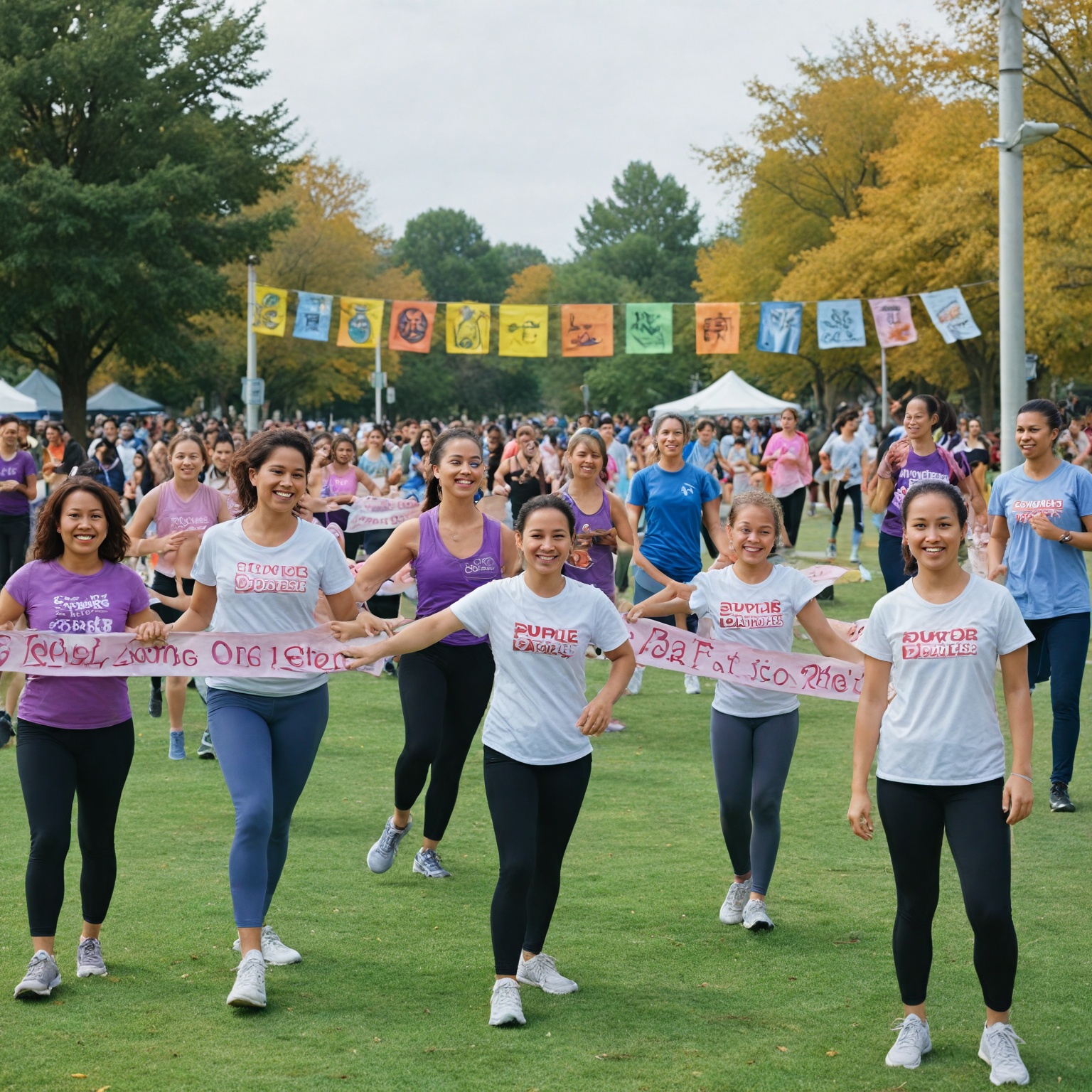
Empower Yourself Join Stroke Prevention Day encourages widespread participation through a variety of customizable activities designed to promote daily physical activity and stroke awareness. Participants are invited to commit to daily physical activity throughout October, with flexibility to choose any activity that challenges them personally, from aerobics to zumba, emphasizing that every minute counts.
Community engagement plays a crucial role in the campaign, with organizers urged to host events such as informational sessions, fundraising activities, and health workshops focused on stroke risk factors, symptoms, and prevention strategies. Social media is leveraged extensively to spread awareness, share survivor stories, and disseminate educational resources, enhancing the campaign’s global reach.
Educational initiatives include stroke education during patient discharge using the BE FAST acronym, distribution of educational materials like magnets and pens, and virtual interactive sessions via platforms such as Zoom to maintain engagement amid social distancing. Additionally, partnerships with organizations like the American Heart Association provide downloadable resources and professional training programs to empower healthcare providers involved in stroke care and prevention.
Further community outreach efforts emphasize culturally tailored and health-literate educational materials to build trust and foster effective communication, particularly within minority and low-income populations. Strategies include collaborative leadership models and dialogue-focused curriculums designed in partnership with local organizations to ensure relevance and impact.
The campaign also highlights public health actions that extend beyond individual behavior change, advocating for supportive environments such as parks and walking tracks, tobacco control policies, and taxation of unhealthy products, which fund primary prevention programs. International examples of stroke prevention events, like Sri Lanka and Australia’s “StrokeSafe” awards and Saudi Arabia’s week-long public education activities, demonstrate diverse approaches to increasing awareness and promoting healthy lifestyles.
Finally, efforts to improve access to stroke survivor resources continue through collaboration with organizations such as the Stroke Network of South Africa, offering training materials and adaptive exercise tools aimed at empowering survivors to maintain fitness and independence.
Outreach Methods and Communication Channels
Community outreach for stroke prevention employs a variety of methods aimed at raising awareness, educating the public, and promoting behavioral changes to reduce stroke risk. One common approach is organizing community events such as information sessions, health screenings, and fundraising activities, which provide direct engagement opportunities to disseminate stroke-related knowledge and resources. Additionally, leveraging social media platforms has become an essential communication channel, enabling widespread distribution of educational content, personal survivor stories, and calls to action that can reach diverse audiences quickly and effectively.
Public health campaigns on stroke prevention are often multifaceted and strategically designed to influence behavior in large populations within a specified timeframe through organized communication activities across multiple channels. These campaigns can include mass media efforts such as television advertisements targeting high-risk groups like men, seniors, and lower socioeconomic populations, which have demonstrated measurable improvements in stroke knowledge. Moreover, the use of positive and culturally relevant imagery combined with animations and storytelling has been shown to engage the public emotionally and cognitively, reinforcing the importance of stroke prevention.
Effective outreach also requires tailoring messages and delivery modes to specific communities, especially minority and underserved populations. Generic educational materials may fall short if they do not consider cultural context or trust issues prevalent in African American, Hispanic, and low-income groups. Building trust through relationship-centered community engagement, collaborative leadership, and co-developed curricula fosters meaningful dialogue and resource sharing, thereby enhancing the impact of stroke prevention efforts.
In addition to broad public campaigns, programs like the Paul Coverdell National Acute Stroke Program (PCNASP) work across the continuum of care by integrating community education with healthcare system improvements. This includes timely stroke patient identification, high-quality acute treatment, rehabilitation, and coordinated transitions to home care, all of which are communicated to and supported by community outreach initiatives aimed at minimizing stroke recurrence through risk factor management. Overall, a combination of in-person events, digital media, culturally sensitive messaging, and integrated healthcare communication channels form the foundation of successful stroke prevention outreach.
Impact and Reception
The Empower Yourself Join Stroke Prevention Day campaign has made a significant impact by utilizing a diverse range of media, including animations, social media posts, and survivor storytelling, to highlight moments that could be lost to stroke and to engage the public in a global effort to save lives and preserve independence. The campaign’s empowering message has been praised for emphasizing the individuality and resilience of stroke survivors, particularly those actively engaged in sports, which challenges public perceptions and underscores the importance of stroke awareness for well-being.
Public reception has been largely positive, with participants and audiences expressing strong emotional connections to survivor testimonies and educational presentations. For instance, heartfelt stories from young stroke survivors like Brian Herbst and Erin Gianaras have resonated deeply, inspiring advocacy and support efforts for stroke survivors and their families. Interactive and educational components, such as “lunch and learn” sessions and community outreach events, have been appreciated for providing valuable information on both the physical and psychological effects of stroke, thereby fostering greater awareness and preparedness among attendees.
The campaign’s effectiveness is further enhanced by its inclusive approach, recognizing the need for culturally and locally tailored messaging to build trust within diverse communities. By engaging directly with minority and underserved populations through collaborative leadership models and community conversations, the campaign addresses historical challenges related to generic information and trust deficits. This strategy helps empower individuals to adopt lifestyle changes for stroke prevention, making the campaign a comprehensive effort that influences behavior across different demographic groups.
Moreover, the campaign encourages active participation through community events and social media engagement, creating multiple channels for spreading awareness and sharing resources. This multifaceted approach aligns with broader public health strategies aimed at informing and influencing large audiences within a specified timeframe to achieve non-commercial societal benefits. Regional adaptations, such as week-long awareness campaigns in places like Cameroon that combine media with live and online events, demonstrate the campaign’s global reach and adaptability to varied urban and rural contexts.
Related Initiatives and Collaborations
Several initiatives and collaborations have been established globally to enhance stroke prevention through education, community engagement, and improved healthcare practices. One notable example is the annual observance of World Stroke Day on October 29, which serves as a focal point for raising awareness about stroke prevention, treatment, and survivor support worldwide. The World Stroke Organization leverages this day to unify members, partners, and stakeholders in disseminating key messages on stroke risk identification and management, promoting campaigns such as #GreaterThan to encourage proactive prevention efforts.
Community-based interventions have played a crucial role in addressing disparities and improving stroke outcomes, particularly in minority and low-income populations. Successful strategies include the development of culturally tailored, health-literate materials like the American Heart/American Stroke Association’s Power to End Stroke Program and the Massachusetts Department of Health Video, which consider trust-building and relationship development with local communities. Programs such as PROTECT DC utilize community health workers to reduce risk factor disparities, while the Prevent Recurrence of All Inner-City Strokes Through Education (PRAISE) initiative demonstrated significant improvements in blood pressure control through peer-led education workshops among stroke survivors. The Discharge Educational Strategies for Reduction of Vascular Events (DESERVE) study further integrates chronic care models focused on risk perception, medication adherence, and patient-physician communication.
At a broader scale, national programs within health ministries are implementing noncommunicable disease strategies that include culturally appropriate awareness campaigns, risk factor screening, and school-based health education to promote cardiovascular health from an early age. Environmental health promotion, such as the availability of parks and walking tracks, and governmental policies like tobacco control, also form integral components of these comprehensive prevention efforts. Emerging approaches involving community health workers to support hypertension control and the use of polypills are being explored, particularly in developing countries, though additional evidence on their effectiveness is needed.
Furthermore, global collaborations have introduced transparent, data-driven systems to standardize stroke care, supporting hospitals, health ministries, and stroke societies in continuous quality improvement through monitoring and benchmarking. These efforts aim to make stroke prevention and care relevant and achievable across diverse healthcare settings worldwide.
Challenges and Future Directions
Stroke prevention faces several challenges that must be addressed to reduce the global burden of stroke effectively. One significant obstacle is the need for more robust use of local epidemiological data to identify specific regional needs and tailor prevention strategies accordingly. This localized approach enables more targeted campaigns and interventions, ensuring resources are directed where they are most needed and that communication tactics resonate with diverse populations.
Another challenge lies in the implementation of effective public health programs, especially in developing countries where healthcare infrastructure and resource availability may be limited. Although community health workers and emerging concepts such as cardiovascular risk assessments and polypill use show promise, there remains a need for more evidence regarding their acceptability and effectiveness in these settings. Furthermore, disparities in access to high-quality preventive services and the ability to bridge community-clinical linkages hinder progress in stroke prevention.
Public awareness campaigns, while important, vary greatly in content and delivery methods, which affects their overall impact. Efforts to raise knowledge of stroke symptoms and risks have demonstrated success in some regions through multifaceted mass media campaigns, yet the challenge remains to engage harder-to-reach populations such as men, seniors, and those in lower socioeconomic groups. Additionally, the rising incidence of stroke among younger adults necessitates evolving educational strategies to address changing demographic patterns.
Looking forward, future directions include strengthening health system interventions to deliver preventive services more effectively and implementing broad environmental and policy approaches that promote healthier behaviors. This includes creating health-promoting environments, such as increasing access to parks and walking or biking tracks, and sustaining governmental actions like tobacco control policies and taxation on unhealthy products with reinvestment into public health. Transparent allocation of health budgets toward prevention and ongoing monitoring and evaluation of progress are critical for sustained impact.
Emerging global initiatives emphasize adapting proven strategies to local contexts and increasing community engagement to drive radical prevention efforts. Collaborative campaigns and leveraging local data will be central to these efforts, aiming to reduce the incidence and impact of stroke worldwide.
The content is provided by Harper Eastwood, Lifelong Health Tips