Summary
Unlocking the Secrets: Navigating Dental Visits with Autism explores the unique challenges and tailored strategies involved in providing effective dental care for individuals with Autism Spectrum Disorder (ASD). ASD is a neurodevelopmental condition characterized by impairments in social communication, sensory processing differences, and behavioral difficulties, all of which can complicate routine dental visits and oral health maintenance. Due to heightened sensory sensitivities and communication barriers, many autistic individuals experience anxiety and uncooperative behavior in typical dental environments, contributing to poorer oral health outcomes compared to the general population.
This article highlights the importance of specialized dental care approaches that accommodate the sensory and behavioral needs of autistic patients. Key adaptations include sensory-friendly dental environments with dimmed lighting and noise reduction, use of visual communication aids such as social stories and Picture Exchange Communication Systems (PECS), and behavior guidance techniques like Tell-Show-Do and applied behavior analysis (ABA). Training and continuing education for dental professionals are emphasized as essential for fostering patient-centered care and building trust, with several programs now mandating autism-specific knowledge to improve treatment efficacy and patient comfort.
Emerging research underscores the effectiveness of sensory-adapted dental environments (SADE) in reducing physiological anxiety and behavioral distress during dental visits for autistic children. Multidisciplinary collaboration involving caregivers, therapists, and dental teams further supports individualized care plans, while pharmacological options including sedation or anesthesia may be considered in severe cases. Despite these advances, challenges remain in ensuring consistent access to specialized services and overcoming communication hurdles, prompting ongoing development of novel tools and technologies to enhance dental experiences for autistic patients.
By synthesizing current evidence, best practices, and innovations in dental care for individuals with autism, this article provides a comprehensive overview for clinicians, caregivers, and researchers aiming to improve oral health outcomes and quality of life for this vulnerable population. It also addresses controversies related to sedation use and the balance between behavioral and pharmacological interventions, emphasizing the need for individualized, compassionate approaches grounded in patient and family collaboration.
Overview of Autism Spectrum Disorder
Autism Spectrum Disorder (ASD) is a complex neurodevelopmental condition characterized by a range of behavioral symptoms including impaired social interaction, difficulties in verbal and nonverbal communication, sensorimotor deficits, and the presence of stereotyped and restricted behaviors. Individuals with ASD often exhibit unpredictable reactions to environmental stimuli, which can manifest as hypersensitivities or atypical responses to sensory input involving visual, auditory, olfactory, gustatory, and tactile cues.
Clinically, ASD is associated with intellectual developmental disabilities marked by challenges in using language and abstract concepts, as well as deficits in social reciprocity and emotional regulation. Common behaviors include repetitive body movements, hyperactivity coupled with attention deficits, low frustration tolerance, and atypical vocalizations, which can complicate interactions and daily functioning. Sensory processing abnormalities are prevalent and tend to be more pronounced in individuals with more severe autistic traits, often correlating with increased behavioral difficulties in various settings, including dental environments.
Assessment tools such as the Social Responsiveness Scale (SRS-P) provide reliable measures of autism severity and related social impairments in children and adolescents. Similarly, sensory processing challenges and anxiety symptoms can be evaluated using caregiver-reported scales like the Child and Adolescent Symptom Inventory-Anxiety Scale (CASI-Anx) and sensory response questionnaires, aiding in the understanding of individual needs.
Effective management of individuals with ASD requires gathering detailed information about the type of ASD and any concurrent conditions during preliminary interviews with caregivers. This allows for the design of tailored adaptation strategies to facilitate transitions into environments such as dental clinics, where the combination of sensory sensitivities and behavioral challenges often necessitates special considerations, including the potential use of general anesthesia for treatment.
Importance of Specialized Dental Care for Autistic Individuals
Autistic individuals often face significant challenges in maintaining oral health due to difficulties in managing routine dental care and increased sensitivity to the dental environment. Poor oral hygiene and a higher incidence of severe dental diseases are common within this population, necessitating specialized dental procedures and adaptations tailored to their unique needs. The dental setting can present numerous potentially frightening stimuli, including unfamiliar sounds, bright lights, and unusual procedures, which may trigger uncooperative behaviors such as crying, physical aggression, or withdrawal.
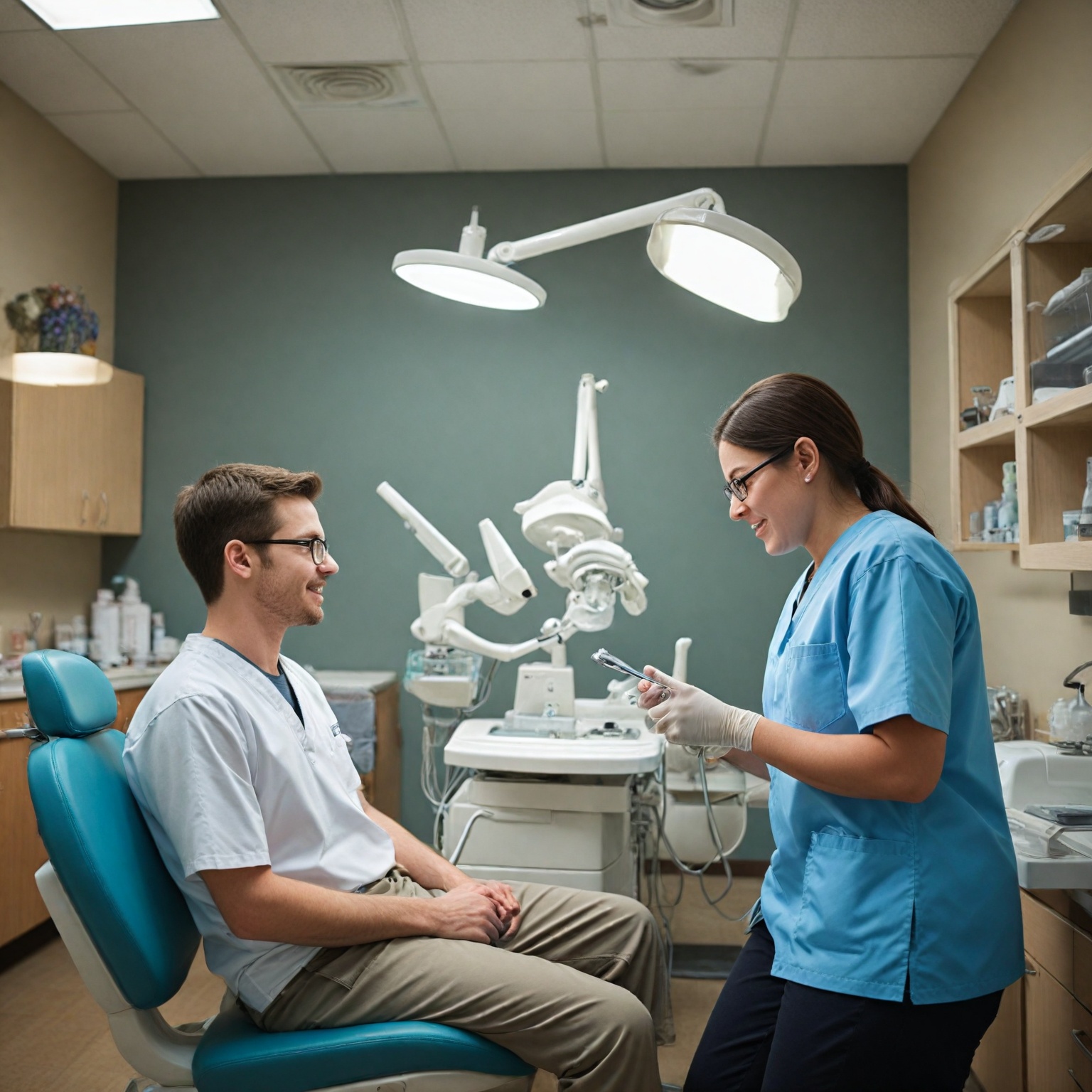
To address these challenges, dental professionals are encouraged to seek specialized training focused on the sensory and behavioral aspects associated with autism spectrum disorders (ASD). Such training enables clinicians to better understand and accommodate the needs of autistic patients, promoting a positive dental experience and building trust between patients and dental teams. Environmental modifications and active communication with parents, caregivers, and the individuals themselves play a critical role in reducing anxiety and improving cooperation during visits.
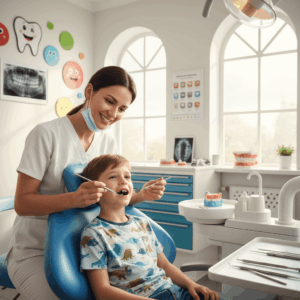
Specially trained dental care teams, often comprising student dentists, dental hygienists, registered dieticians, and faculty members experienced in treating patients with diverse needs, provide a supportive environment where autistic adults and children can receive appropriate oral health care without excessive anxiety. Previsit consultations involving functional behavioral evaluations and the use of social stories help prepare patients by explaining what to expect during dental appointments, thereby reducing fear and improving compliance.
Additionally, certain behaviors common among autistic individuals, such as teeth grinding, chewing nonfood objects, or consuming sugary foods, can further compromise dental health. Communication difficulties may delay the reporting of dental problems, underscoring the importance of establishing consistent oral hygiene routines from an early age. Introducing toothbrushing as soon as the first tooth erupts, and accommodating sensory sensitivities by experimenting with toothpaste flavors and textures, are recommended strategies for improving oral care adherence.
Ultimately, providing specialized dental care tailored to autistic individuals not only enhances their oral health outcomes but also fosters job satisfaction among dental professionals and strengthens patient-provider relationships, contributing to lifelong positive dental experiences.
Common Challenges Faced by Autistic Individuals During Dental Visits
Dental visits present unique challenges for individuals with autism spectrum disorder (ASD) due to the core characteristics of the condition, including difficulties in communication, social interaction, and sensory processing. These challenges often lead to increased anxiety and behavioral distress during dental care.
One of the primary difficulties arises from sensory sensitivities common in autistic individuals. Dental clinics typically have bright fluorescent lighting, loud noises from equipment and people, strong smells, and unfamiliar tactile sensations. Such stimuli can overwhelm sensory processing, particularly in children with more severe autistic traits, resulting in distress or uncooperative behavior. Sensory abnormalities in auditory, visual, olfactory, gustatory, and tactile modalities are frequently reported, which may manifest as heightened responses or avoidance behaviors during dental procedures.
Communication barriers also contribute significantly to the challenges faced. Autistic patients may have limited ability to understand or express their needs and anxieties, which complicates cooperation during treatment. Behavioral manifestations such as repetitive movements, unusual vocalizations, or sounds can be coping mechanisms for managing anxiety or sensory overload and should be respected rather than suppressed. Furthermore, changes in routine or environment, even minor ones, can provoke distress, as autistic individuals often rely on consistency and predictability.
Behavioral difficulties such as temper tantrums, hyperactivity, short attention span, anxiety, aggression, and self-injurious behaviors are common among autistic children and can be exacerbated by the stressful dental environment. Studies indicate that approximately 65% of patients with ASD exhibit uncooperative behavior during dental treatment sessions, making behavior management a critical component of care. Additionally, many autistic children exhibit oral habits such as nocturnal bruxism, tongue thrusting, and lip biting, which can complicate dental health and treatment.
Comorbid anxiety disorders, prevalent in over half of children with ASD, further impact dental experiences by increasing avoidance and resistance to dental visits. Anxiety related to dental care may contribute to poorer oral hygiene and greater dental disease prevalence in this population.
Given these challenges, it is essential for dental professionals to tailor their approach to accommodate sensory sensitivities, establish clear and simple communication, and involve caregivers who can support and comfort the patient. Preparing the patient with visual aids or social stories about dental visits may reduce anxiety by familiarizing them with the environment and procedures. Maintaining a calm, consistent environment and recognizing nonverbal cues of distress can help build rapport and trust, ultimately improving cooperation and the quality of dental care provided to autistic individuals.
Preparing for Dental Visits
Preparing patients with Autism Spectrum Disorder (ASD) for dental visits involves a multifaceted approach designed to reduce anxiety, enhance cooperation, and ensure a positive experience. Early establishment of a dental home with an experienced and accommodating pediatric dental team by a child’s first birthday is recommended to promote lifelong oral health. Early visits are typically quick and pain-free, helping to build trust and familiarity with the dental environment.
Parental and caregiver involvement is crucial throughout the preparation and dental visit process. Since patients with autism may have difficulty staying still or understanding dental procedures, having a trusted person present offers comfort and support. Caregivers can help manage distressed or challenging behaviors and provide insight into the patient’s specific needs and preferences. Previsit meetings with families allow dental professionals to discuss concerns, tailor approaches, and prepare both the child and parents, which helps in overcoming behavioral hesitations.
Visual aids such as social stories, flashcards, and non-verbal communication tools like Makaton sign language are widely used to familiarize patients with the dental visit process. These resources help autistic individuals anticipate what will happen during the visit and understand expected social behaviors, reducing uncertainty and anxiety. Providing pictures of the dental clinic or a social story beforehand can further reassure and acclimate the patient to the environment.
Behavior guidance strategies emphasize developing rapport, minimizing anxiety, and delivering quality care while fostering a trusting, positive relationship between the dental team and patient. Appointments should be short, well-organized, and consistent in timing, personnel, and routine to accommodate the autistic preference for sameness and aversion to change. Waiting times should be limited to 10–15 minutes to prevent distress caused by limited attention spans. During the visit, discussions of ongoing procedures are best avoided to reduce sensory overload, and dental staff should strive to minimize sudden movements or distractions.
Strategies and Best Practices for Dental Professionals
Providing dental care to patients with Autism Spectrum Disorder (ASD) requires specialized strategies that prioritize patient-centered, safe, and effective approaches. The primary aim for dental professionals is to enhance their knowledge and skills to deliver comprehensive care tailored to the unique needs of individuals with autism.
Environmental Modifications and Sensory Considerations
Many individuals with ASD have sensory processing differences, making typical dental environments challenging due to bright fluorescent lights, loud noises, and unfamiliar procedures. Dental teams are encouraged to implement sensory-adapted environments by using noise-canceling headphones, dimmed lighting, weighted blankets or vests, and minimizing oral and environmental stimuli during procedures. These adjustments can reduce anxiety and improve patient cooperation. Creating a calm, secured operatory with reduced decoration and dimmed lights may further support the comfort of autistic patients. Understanding that autistic children often rely heavily on peripheral vision and are sensitive to changes in surroundings, dental professionals should strive for consistency and minimize unexpected alterations in the clinical environment.
Communication Techniques
Effective communication is crucial when treating patients with ASD. Oral commands should be short, clear, and simple, with ongoing communication maintained throughout and beyond the dental visit. Many autistic individuals have limited verbal abilities, and augmentative communication methods such as the Picture Exchange Communication System (PECS) can be invaluable. PECS employs a growing book of pictures that enables nonverbal patients to express desires and feelings, facilitating better interaction during treatment. Visual schedules outlining step-by-step procedures help reduce apprehension by clarifying the sequence and progress of dental visits, accommodating many autistic patients’ preference for visual learning.
Behavior Guidance and Appointment Management
Building rapport and reducing anxiety are essential goals of behavior guidance for autistic patients. Techniques such as the “Tell-Show-Do” method expose patients gradually to dental instruments and procedures using visual or physical demonstrations, which can alleviate fear and improve cooperation. Applied behavior analysis (ABA) practices are also effective in modifying behaviors and reinforcing positive responses during dental treatment.
Appointments should be short, well-organized, and predictable, with waiting times kept under 10 to 15 minutes to avoid distress due to limited attention spans. Establishing consistent routines by maintaining the same days, times, and personnel for visits helps accommodate autistic individuals’ preference for sameness and reduce anxiety related to change. During procedures, minimizing movement and distractions is advised, and the presence of parents can enhance compliance, reduce negative behaviors, and foster a positive experience. Distracting techniques, such as allowing the patient to watch a favorite video or listen to music, can also be beneficial during treatment.
Pharmacological and Sedation Options
Despite accommodations, some autistic patients may still experience significant anxiety or sensory overload during dental care. In such cases, pre-visit administration of anxiety-relieving medications or light sedation may be considered to facilitate treatment. Specialized centers may offer dental procedures under general anesthesia for patients with more severe behavioral challenges or heightened sensitivity.
Multidisciplinary Collaboration and Ongoing Support
Successful dental management of patients with ASD often requires collaboration with speech-language therapists, occupational therapists, and behavioral specialists to integrate oral hygiene practices and behavior strategies effectively. Coordinated efforts involving educators, physicians, therapists, and mental health professionals enhance community engagement and support for both patients and caregivers, ensuring long-term oral health and wellbeing.
Emerging and Experimental Therapies
Emerging and experimental therapies aimed at improving dental care experiences for individuals with autism spectrum disorder (ASD) focus primarily on sensory adaptations and pharmacological interventions to manage anxiety and behavioral challenges. Given the heightened sensory sensitivities common among autistic patients, innovative approaches such as Sensory Adapted Dental Environments (SADE) have been developed to reduce sensory-aversive stimuli during dental visits. SADE modifies environmental factors—including lighting, sound, and tactile inputs—to create a calming atmosphere that lowers physiological anxiety and decreases uncooperative behavior, pain, and sensory discomfort in children with ASD.
Research involving children with developmental and intellectual disabilities has demonstrated that altering sensory characteristics in the dental office can reduce behavioral distress, suggesting potential benefits for autistic patients as well. These sensory modifications are complemented by training dental teams to recognize sensory processing disorders and implement easy environmental changes based on caregiver input. Such strategies promote a positive dental experience and may contribute to long-term oral health in this at-risk population.
In cases where behavioral management techniques alone are insufficient, pharmacological methods are often employed. Psychotropic medications—including antidepressants, antipsychotics, anticonvulsants, and central nervous system stimulants—are commonly prescribed to manage associated symptoms such as aggression, hyperactivity, and self-injurious behaviors. However, these drugs can cause both systemic and oral side effects, necessitating careful consideration by dental professionals when planning prophylaxis or treatment. For example, fluoxetine, a frequently prescribed antidepressant, has been associated with serious allergic reactions like swelling of the tongue, throat, and face, complicating dental care procedures.
Additionally, conscious sedation or light sedation may be used prior to dental visits to alleviate anxiety in autistic patients, with some specialized centers providing dental treatment under general anesthesia when required. It is crucial to obtain a thorough medical history before administering sedatives, as atypical reaction patterns and reduced efficacy of standard doses are often observed in this population. Overall, integrating sensory adaptations with carefully managed pharmacological interventions represents a promising avenue to enhance dental care accessibility and effectiveness for individuals with autism.
Training and Continuing Education for Dental Professionals
Dental professionals are increasingly encouraged to pursue specialized training to enhance their ability to provide effective care for patients with Autism Spectrum Disorder (ASD). Since 2022, the UK mandates autism-specific training for all healthcare workers, including those in dentistry, underscoring the importance of equipping dental teams with the knowledge and skills necessary to manage this patient population safely and compassionately. This training aims to foster a patient-centred approach that accommodates the unique sensory and behavioral needs of autistic individuals.
Comprehensive
Tools and Technologies to Support Dental Care
Dental care for autistic individuals often requires specialized tools and approaches to accommodate sensory sensitivities and communication challenges. Various techniques and technologies have been developed and implemented to create a more comfortable and effective dental experience for patients with Autism Spectrum Disorder (ASD).
One significant innovation is the creation of sensory adapted dental environments (SADE), which modify typical dental clinic stimuli—such as bright fluorescent lighting, loud electric handpieces, and the positioning of reclining chairs—to reduce distress and sensory overload in autistic children. Studies led by USC researchers demonstrate that these adaptations lead to less distressing oral care experiences, improving access and efficacy of treatment for autistic patients.
Visual aids play a crucial role in facilitating communication and understanding for autistic patients. Tools such as social stories, flashcards, and visual schedules use step-by-step colored photographs or pictorial guides to outline dental visits and oral hygiene procedures. These aids help autistic individuals anticipate and comprehend what will happen during their appointment, which can reduce anxiety and increase cooperation. Given that many autistic children are visual learners, such schedules help them recognize completed and upcoming steps, making the process more predictable and less intimidating.
Parental involvement is another key component of successful dental visits. The presence of a parent or caregiver can enhance patient compliance, decrease negative behaviors, and foster effective communication between the dental provider and the patient. This support helps establish appropriate roles during treatment and contributes to a positive dental experience.
Additional environmental and behavioral strategies include the use of noise-canceling headphones, playing favorite videos or music, and providing comfort items such as weighted blankets or vests. Adjusting environmental factors—such as turning off fluorescent lights and limiting verbal communication during procedures—can further minimize sensory triggers. Distraction techniques, like watching cartoons or holding special toys, have also been shown to reduce distress during dental care.
To ensure dental teams are prepared to implement these tools and techniques effectively, training programs aimed at enhancing professionals’ knowledge and skills in caring for patients with ASD are encouraged. Emphasizing a patient-centered, safe, and effective approach, such education promotes lifelong oral health for this vulnerable population.
Support Systems for Caregivers and Families
Caregivers and families play a crucial role in facilitating successful dental visits for individuals with autism spectrum disorder (ASD). Previsit meetings or counseling sessions are recommended to prepare both the family and dental team for the initial dental appointment. These sessions help parents understand the procedures involved and discuss any behavioral concerns, enabling them to better prepare their child and overcome hesitations related to dental treatment. Such preparation benefits all parties by setting expectations and fostering cooperation.
Effective communication and collaboration between dental professionals and caregivers are essential. Dental teams proficient in working with caregivers can provide specialized post-treatment guidance tailored to the needs of autistic patients. Since sensory sensitivities are common, caregivers can advise on modifications such as using milder mouthwashes or avoiding certain tastes and smells that may trigger distress. Allowing parents or carers to take control during appointments can also reduce anxiety and sensory overload for the patient.
Visual aids and alternative communication methods, including social stories, flashcards, and sign languages like Makaton, are valuable tools to support understanding and ease the dental experience for autistic individuals. While some dental services already implement these aids, there is a need for wider adoption to generalize their benefits across practices.
Furthermore, establishing a dental home early, ideally by a child’s first birthday, helps build trust with the dental team and fosters a routine of good oral hygiene. Caregivers are encouraged to experiment with different toothpaste flavors or textures to accommodate sensory preferences and to communicate specific needs with the dental office in advance. Such proactive approaches enhance the comfort and cooperation of autistic patients during dental care.
Research, Case Studies, and Developments
Recent research efforts have focused on addressing the unique challenges faced by autistic children during dental visits, aiming to alleviate dental phobia, assess cooperation levels, and improve oral treatment outcomes. A systematic review employing the PICOs method, grounded in Evidence Based Medicine (EBM), targeted autistic children aged 3 to 19 to explore effective strategies for managing dental anxiety and behavior in this population. Central to these investigations is the recognition that sensory sensitivities significantly contribute to oral care difficulties among autistic individuals.
One notable development is the introduction of Sensory Adapted Dental Environments (SADE), pioneered by researchers at the University of Southern California (USC). This approach modifies the typical dental clinic setting—often filled with overwhelming stimuli like bright fluorescent lights, loud hand tools, and reclining chairs—to create a less distressing experience for autistic children. Studies demonstrated that SADE reduces physiological anxiety, behavioral distress, and sensory discomfort during dental procedures compared to regular dental environments. These findings underscore the critical role of environmental modifications in enhancing cooperation and care quality for autistic patients.
Further supporting this sensory-focused approach, Shapiro et al. (2009) found that modifying sensory aspects of dental offices decreased anxiety and distress in children with developmental and intellectual disabilities, suggesting similar benefits for autistic children given their common sensory over-responsivity. Consequently, dental professionals are encouraged to seek specialized training to effectively treat patients with sensory processing disorders, emphasizing the importance of listening to both the child and caregivers and implementing straightforward environmental adjustments to foster positive dental experiences.
Behavioral guidance remains a cornerstone of managing autistic patients during dental visits. The goals include establishing rapport, reducing anxiety, and fostering trust to ensure quality dental care over a lifetime. Effective communication strategies focus on delivering concise, relevant information about procedures and appointments while respecting coping behaviors such as repetitive movements or sounds that may occur during anxiety or sensory overload. Gathering comprehensive information from parents or guardians before treatment enables clinicians to tailor individualized behavioral management plans, thereby facilitating successful dental interventions.
Innovative communication tools have also been explored to improve interaction between dental professionals and autistic patients. The Picture Exchange Communication System (PECS) has shown promise in enhancing patient–professional communication during preventive procedures and improving gingival health outcomes. However, a 2018 randomized trial revealed that a proprietary phone app outperformed PECS by reducing the number of dental visits required for preventive care and examinations. Additionally, traditional methods like Tell–Show–Do (TSD) have been effectively employed with autistic children to increase cooperation during dental treatments.
On the clinical care front, specialized dental teams, including student dentists, hygienists, registered dieticians, and faculty skilled in managing diverse patient needs, have been established to provide comprehensive and anxiety-sensitive care to autistic adults. Such centers aim to ensure that all individuals, regardless of sensory or behavioral challenges, receive equitable oral health services in a supportive environment.
Collectively, these research advancements and clinical innovations highlight a growing understanding of the sensory and behavioral needs of autistic individuals in dental settings. They emphasize the importance of environmental adaptation, specialized communication strategies, and trained care teams to improve oral health outcomes and patient experiences for this vulnerable population.
The content is provided by Avery Redwood, Lifelong Health Tips