Summary
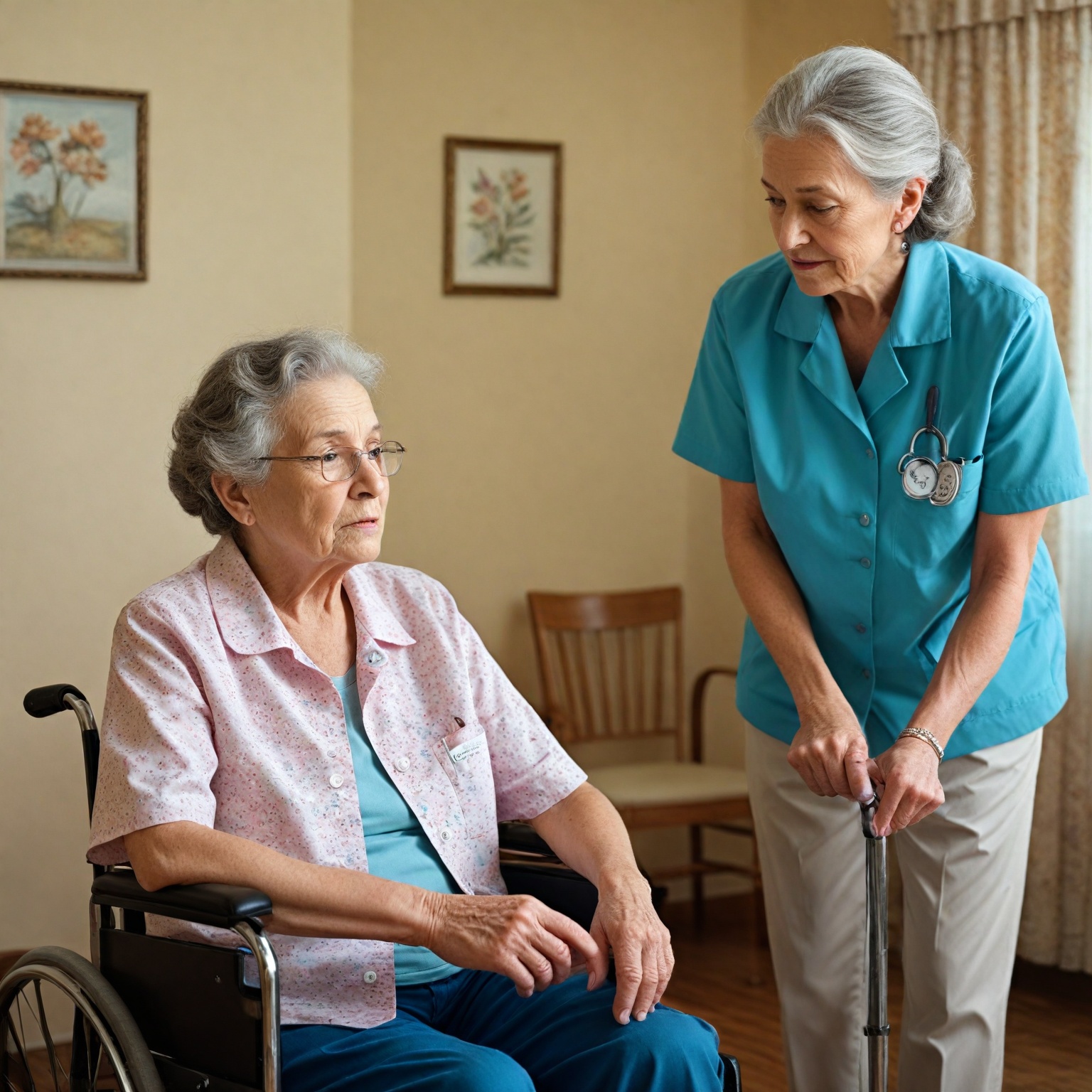
**Elderspeak** is a specialized form of communication directed toward older adults, characterized by simplified language, exaggerated intonation, and patronizing or infantilizing speech patterns often motivated by implicit ageist stereotypes. While typically intended to express care, facilitate understanding, or exert control, elderspeak frequently results in negative psychological and emotional effects, including diminished self-esteem, feelings of helplessness, and resistance to care, particularly among individuals with dementia.
Emerging across various cultural contexts, elderspeak reflects broader societal attitudes toward aging and cognitive decline. Its use is notably prevalent in healthcare and caregiving settings such as hospitals and nursing homes, where it can undermine person-centered communication and negatively impact the dignity and autonomy of older adults. Although caregivers often employ elderspeak with benevolent intentions, such as improving comprehension or cooperation, the patronizing tone inherent in this speech style has been linked to increased stress responses and poorer health outcomes in older populations.
Research has highlighted significant linguistic and nonverbal features of elderspeak, including lexical simplifications, exaggerated prosody, and condescending gestures, as well as cultural and individual variations in its use and reception. Efforts to raise awareness and reduce elderspeak through education and training programs have shown promise in improving communication quality and reducing behavioral resistance in care settings. Nonetheless, the complex interplay between intention, perception, and cultural norms necessitates ongoing research to develop respectful, empowering alternatives to elderspeak that uphold the dignity and well-being of older adults globally.
Definition and Characteristics
Elderspeak is a specialized form of communication directed toward older adults, characterized primarily by overaccommodation that often stems from implicit ageist stereotypes. It is typically evidenced by inappropriately juvenile lexical choices and/or exaggerated prosody, with underlying goals of expressing care, exerting control, and/or facilitating comprehension. However, such communication may inadvertently lead to negative self-perceptions in older adults and provoke challenging behaviors, particularly in individuals with dementia.
The communication characteristics of elderspeak can be divided into two main domains: verbal and nonverbal. Within the verbal domain, features are further categorized into linguistic and paralinguistic dimensions. Linguistic aspects include semantics (the content or meaning of speech), syntax (grammatical form), and pragmatics (the use of language in context). Common syntactic modifications involve shortening or simplifying utterances, often measured by reductions in mean utterance length or number of clauses per utterance. Paralinguistic elements encompass modifications such as exaggerated intonation and prosody.
The nonverbal domain consists of extralinguistic dimensions—communication cues that are separate from the spoken message but delivered simultaneously or in place of it. These include body language and gestures such as making eye contact, smiling, or crouching to the physical level of the older adult. While positive nonverbal behaviors are associated with neutral communication scripts, the natural occurrence of nonverbal features specific to elderspeak remains under-researched. Nonverbal communication is especially significant given that approximately 80% of human communication is nonverbal, and elderspeak often involves coddling gestures and cues that may contribute to its patronizing tone.
Interestingly, older adults themselves tend to accommodate their speech less when conversing with peers who have cognitive impairments, possibly to avoid seeming patronizing. They may speak more slowly and pause more frequently but generally do not increase repetition as younger speakers do. This dynamic suggests a complex interplay between intent and perception in elderspeak communication.
Historical and Sociocultural Context
Elderspeak, a specialized speech style characterized by simplified vocabulary, exaggerated prosody, and patronizing linguistic features, has been observed across various cultures and historical contexts as a communicative behavior toward older adults. Historically, this form of communication has roots in societal perceptions of aging and cognitive decline, often reflecting implicit ageist stereotypes about older individuals’ abilities to comprehend and process language.
Culturally, the use and perception of elderspeak vary significantly. Research comparing Eastern and Western societies highlights differences in attitudes toward aging and intergenerational communication. For example, East Asian cultures, with their traditional emphasis on respect and deference to family elders, often navigate intergenerational interactions through culturally specific accommodation strategies. However, even within these contexts, elderspeak can emerge as a form of overaccommodation, where speech modifications intended to show care or facilitate understanding inadvertently convey condescension or control.
Moreover, generational dynamics play a crucial role in shaping elderspeak usage. Studies suggest that younger adults may rely on elderspeak more frequently due to stereotypes about older adults’ diminished cognitive functions, despite variations in individual capabilities and communicative needs. This generational bias is present cross-culturally but is influenced by the societal values and norms surrounding aging and respect for elders.
The evolution of elderspeak also intersects with broader sociocultural changes. Over recent decades, shifts in perceptions about aging and communication have prompted calls for updated research and a deeper understanding of elderspeak across diverse populations to account for cohort effects and changing attitudes. Such investigations are vital to disentangle the well-intentioned aspects of elderspeak from its potentially harmful consequences, particularly as societies globally confront the challenges of aging populations and the promotion of well-being among older adults.
Psychological and Emotional Impacts
Elderspeak, a form of speech characterized by simplified language and a condescending tone often directed at older adults, has significant psychological and emotional consequences. One of the primary impacts is the feeling of infantilization experienced by seniors, which diminishes their sense of self-worth and autonomy. Being spoken to as if they were children can evoke frustration, helplessness, and even depression among older adults.
Studies have demonstrated a strong correlation between elderspeak and resistiveness to care, especially among persons with dementia. For instance, research involving nursing home care interactions revealed that instances of elderspeak, particularly when combined with a controlling emotional tone, increased resistance to care behaviors. Emotional tone in elderspeak ranges from controlling communication—such as being directive, bossy, or patronizing—to person-centered communication that is nurturing and respectful. However, changes in emotional tone often accompany other negative semantic and paralinguistic features, intensifying the detrimental effects.
The condescending tone inherent in elderspeak not only impacts mental health but may also have physical repercussions. Stress induced by patronizing speech can elevate blood pressure and heart rate, potentially weakening the immune system over time and increasing vulnerability to illness. Additionally, older adults who perceive overaccommodation through elderspeak report lower self-esteem, a relationship found to be particularly significant in American older adults, though similar trends appear in other cultures such as Thailand.
Elderspeak is frequently viewed as patronizing by older adults across different cultural contexts, including the United States and Singapore, where it is seen as undermining dignity. The negative emotional response to elderspeak is compounded when it coincides with psychological mistreatment in care settings, such as restrictions on decision-making and ignoring older persons’ preferences. These factors collectively threaten older adults’ autonomy and sense of agency, often leading to feelings of resentment and psychological abuse.
Individual and contextual factors also influence the use and impact of elderspeak. For example, caregivers with personal parenting experience tend to use more elderspeak, and informal caregivers experiencing lower life satisfaction are more prone to patronizing communication. Despite some contradictory findings regarding emotional and behavioral responses to elderspeak in persons with dementia, further research is necessary to clarify the contextual variables that mediate these effects.
Contexts and Populations Affected
Elderspeak primarily occurs in interactions with older adults, particularly when younger individuals simplify their communication based on cues related to old age. This phenomenon is rooted in implicit ageism and is distinguished from similar communication styles used with other groups, such as persons speaking a foreign language, individuals with intellectual or physical disabilities, or patients experiencing painful healthcare encounters, where the communication adaptations arise from different contexts and are not considered elderspeak per se.
In healthcare settings, especially acute care hospitals, elderspeak is pervasive among nursing staff when communicating with hospitalized patients with dementia. Studies have shown that nurses often use infantilizing speech with this vulnerable population, which can have significant implications for patient care. The Nurse Talk study highlighted that elderspeak is frequently used by nursing staff caring for patients with mild to severe cognitive impairments, including delirium, indicating that cognitive status alone may not fully explain the prevalence of elderspeak in these settings. Furthermore, the use of elderspeak in hospitals is linked to challenges in delivering person-centered communication, particularly in contexts where resources are limited and older patients have increased needs for assistance with activities of daily living.
Beyond hospital settings, elderspeak has been extensively studied in nursing homes, where it is associated with behavioral and psychological symptoms of dementia and other negative health outcomes. However, prior research often did not account for the multiple contextual factors that influence elderspeak use, such as the care environment or cultural norms.
Cultural differences also play a significant role in how elderspeak is perceived and enacted. For example, intergenerational communication tends to be more challenging than intragenerational communication, with variations observed between Western and East Asian cultures. In both cultural contexts, there is a greater obligation to show deference toward elders, especially non-family elders, but Western participants generally reported more positive perceptions of interactions with older adults than East Asian participants. These cultural norms influence the acceptance and prevalence of elderspeak, suggesting that its impact and interpretation may vary across societies.
Linguistic and Cultural Variations
Elderspeak encompasses both verbal and nonverbal communication characteristics, which can be further divided into linguistic and paralinguistic dimensions. Linguistic aspects include semantics, or the content and meaning of speech; syntax, referring to grammatical structure; and pragmatics, which relates to language use in specific discourse contexts. Paralinguistic features, which may not be clearly categorized under semantics, syntax, or pragmatics, also play a role in elderspeak, though their natural occurrence and impact remain less well-documented in research.
The use and perception of elderspeak vary notably depending on the familiarity between interlocutors and the attitudes held toward the older adult. For instance, elderspeak tends to be more prevalent and deemed more appropriate within familiar communication dyads or with residents who are strongly liked or disliked, albeit the style differs accordingly. Young adults who have infrequent contact with older adults are more likely to employ patronizing speech and a higher pitch, possibly reflecting a stereotyped view that all older adults require overaccommodative communication. Moreover, elderspeak is often produced by younger individuals toward older adults rather than occurring naturally between older adults themselves.
Cultural context significantly influences the acceptance and manifestation of elderspeak. Attitudes toward aging and older adults show considerable variability across cultures and socioeconomic environments. While some studies suggest more positive aging attitudes in Asian cultures compared to Western ones, others report contrary findings or no significant cultural differences at all. The degree to which elderspeak is considered appropriate or respectful can be shaped by cultural norms, as demonstrated by research highlighting discrepancies in elderspeak acceptance between countries, such as the United States and other cultural settings. These cultural norms affect not only interpersonal communication but also the broader context of care, including acute hospital environments where person-centered communication may be compromised.
Socioeconomic factors and cultural values together influence aging attitudes and, by extension, communication behaviors like elderspeak. Early research indicated that higher levels of economic development and industrialization correlate with less favorable views of aging and lower social status for older adults, which may contribute to the use of patronizing language forms. Such linguistic patterns—often condescending, infantilizing, or patronizing—reinforce stereotypes that older adults are less capable or less valuable, leading to negative psychological and social consequences such as decreased self-esteem and social isolation.
Intentions Behind Elderspeak
Elderspeak is often motivated by a complex interplay of intentions, many of which stem from caregivers’ desires to express care, exert control, or facilitate comprehension when communicating with older adults. Despite these seemingly positive aims, the use of elderspeak arises from implicit ageist stereotypes that assume older adults have diminished capacities, leading to communication that is inappropriately simplified or infantilizing.
Caregivers, including healthcare professionals and family members, may consciously employ elderspeak with the goal of improving the well-being and cooperation of older adults, especially those with cognitive impairments. For example, some nurses have reported using elderspeak intentionally to enhance residents’ understanding during care interactions and to foster smoother communication. This suggests that in certain contexts, elderspeak is viewed as a practical strategy to manage care needs.
However, the motivations behind elderspeak are not solely caregiving-oriented. Research indicates that caregivers who also have personal experiences as parents—particularly middle-aged staff—are more likely to engage in elderspeak, implying that caregiving roles and related psychological factors influence its use. Additionally, informal caregivers with lower life satisfaction tend to enact more patronizing communication, which may reflect underlying emotional and psychological challenges.
Despite intentions to be helpful or caring, elderspeak carries risks of reinforcing negative stereotypes about aging and may inadvertently convey messages of incompetence or dependency. This patronizing tone can contribute to diminished self-esteem and social isolation among older adults, highlighting the gap between intentions and outcomes in elderspeak communication. Understanding these underlying intentions is crucial for developing strategies to replace elderspeak with more respectful and empowering communication styles.
Risks and Negative Consequences
Elderspeak, a form of communication characterized by condescending, infantilizing, or patronizing language directed toward older adults, carries significant risks and negative consequences for their well-being. Psychologically, elderspeak can evoke feelings of infantilization that undermine seniors’ sense of autonomy and self-worth, often leading to frustration, helplessness, and depression. By reinforcing stereotypes that older adults are less capable or valuable members of society, it can further contribute to decreased self-esteem, social isolation, and a diminished sense of belonging within the community.
The impact of elderspeak is not confined to mental health alone. Physiologically, the stress triggered by such communication styles can elevate blood pressure and heart rate, and chronic exposure may weaken the immune system, thereby increasing vulnerability to illnesses. These physical consequences compound the overall health risks faced by older adults subjected to ageist communication.
Moreover, elderspeak can impede effective communication, especially in care settings involving individuals with dementia. Barriers such as aphasia complicate interactions, and the use of well-intended but ineffective elderspeak can further hinder harmonious exchanges between caregivers and care recipients. In clinical environments like acute hospitals or nursing homes, where resources are often limited and older patients require assistance with activities of daily living (ADLs), reliance on elderspeak threatens person-centered communication and quality of care.
From a sociocultural perspective, the acceptance and prevalence of elderspeak vary depending on cultural norms, complicating comparisons across studies and highlighting the need for culturally sensitive communication approaches. Emotional tone in elderspeak typically involves controlling, directive, or patronizing attitudes, which contrast with nurturing, respectful, and supportive communication styles. While some older adults may interpret elderspeak as nurturing, it is predominantly perceived as patronizing and ageist, contributing to negative self-perceptions and reinforcing age-based stereotypes.
Efforts to reduce elderspeak through education and awareness have shown promise in improving communication quality and decreasing resistance to care among residents with dementia in long-term care settings. Promoting respectful, empowering communication is essential for safeguarding the dignity and mental health of older adults, emphasizing the importance of replacing harmful speech patterns with person-centered dialogue.
Alternatives and Recommendations
To improve communication with older adults and reduce the negative impacts of elderspeak, several alternatives and recommendations have been proposed and implemented across caregiving settings. Central to these approaches is fostering respect and preserving the dignity of the individual while
Research Overview
Research on elderspeak has evolved significantly over the past decades, shifting from naturalistic observations in nursing homes to more controlled experimental studies that explore its psychosocial impact and effects on comprehension. Early studies focused primarily on healthcare encounters, particularly in nursing home settings, but more recent research has broadened to include general intergenerational interactions and diverse populations, including children and new media analyses such as social media language use.
Systematic reviews assessing the quality and validity of studies on elderspeak have employed modified checklists based on the Scottish Intercollegiate Guideline Network (SIGN) criteria, ensuring rigorous evaluation of both qualitative and quantitative data. These reviews reveal that elderspeak is a multicultural and interdisciplinary phenomenon characterized by various verbal and nonverbal features that may be used inconsistently by speakers. While elderspeak can enhance comprehension among older adults, it is often perceived negatively by both younger and older individuals, indicating a complex duality in its consequences.
Intervention trials have investigated whether reducing elderspeak through training can diminish resistiveness to care and alter aging perceptions. Such studies suggest that modifying communication styles may improve care outcomes and attitudes toward aging, although findings are still emerging. Furthermore, cultural norms play a significant role in the acceptance and interpretation of elderspeak, limiting the generalizability of research predominantly conducted in the United States. Cross-cultural differences in aging attitudes are influenced by socioeconomic development and cultural values, but existing studies typically involve small country samples, indicating the need for broader research.
Prevention and Awareness
Efforts to prevent the use of elderspeak and raise awareness about its potential harms are increasingly recognized as essential components in improving communication with older adults. Training programs aimed at caregivers, especially in nursing homes and acute care settings, focus on encouraging respectful and person-centered communication that preserves the dignity of older individuals. For example, Kristine Williams, a professor at the University of Kansas School of Nursing, implements training that helps staff recognize and reduce the use of elderspeak, including the avoidance of inappropriately intimate terms of endearment such as “honey,” “dearie,” and “sweetie.” Williams emphasizes the importance of caregivers taking the perspective of older adults and notes that many are initially unaware of their own use of elderspeak until they observe video recordings of their interactions.
Promoting awareness also involves educating others in the community to gently correct and discourage the use of elderspeak when observed, fostering a more supportive environment for older adults. Additionally, some caregivers consciously use elderspeak with the intention of enhancing residents’ understanding and cooperation during care interactions; however, raising awareness about the potential negative impacts of such communication styles remains critical, especially among nurses working with cognitively impaired patients.
Given the cultural variability in the acceptance of elderspeak, prevention strategies must be sensitive to differing norms and contexts, particularly in acute hospital settings where older inpatients face high care demands and limited resources. Programs like the Changing Talk online communication education for adult day services staff underscore the importance of continuous quality monitoring and education to promote better communication practices and ensure the safety and well-being of older adults in care facilities.
The content is provided by Blake Sterling, Lifelong Health Tips