Summary
Maximize Your Brush Time: Tips for an Efficient Routine is a comprehensive guide focused on improving oral hygiene by optimizing the toothbrushing process. Efficient brushing is essential for removing plaque and bacteria, which helps prevent common dental problems such as cavities, gingivitis, and periodontal disease. This topic is notable because despite widespread recommendations, many individuals do not brush for the advised duration or use proper techniques, resulting in suboptimal oral health outcomes. The guide emphasizes a two-minute brushing routine divided into four quadrants, proper brushing techniques such as the Bass method, and the importance of consistency and correct tool usage to maximize effectiveness.
The article addresses common challenges in maintaining an effective brushing routine, including insufficient brushing time, irregular frequency, and behavioral barriers influenced by socio-economic, environmental, and psychological factors. It highlights that habit formation and context-based behavioral strategies are critical to sustaining long-term oral hygiene practices, especially in vulnerable populations like children with special health care needs. Additionally, it explores how mental health and social influences can impact motivation and adherence, underscoring the need for personalized, culturally sensitive guidance.
Technological advancements, such as electric toothbrushes with timers and pressure sensors, along with mobile applications featuring gamification and visual aids, play an increasingly important role in enhancing brushing efficiency and motivation. Complementary dental care practices, including flossing, mouthwash, and tongue scraping, are recommended to augment brushing but not replace it. The article further discusses behavioral strategies that leverage environmental cues and habit triggers to maintain motivation and establish consistent brushing routines.
Overall, this guide integrates dental science, behavioral psychology, and technology to provide actionable advice for maximizing brush time and achieving better oral health. It addresses both practical techniques and the complex factors that influence brushing habits, offering a holistic approach to improving daily oral care.
Importance of Efficient Brush Time
Brushing your teeth efficiently is essential for maintaining good oral health by effectively removing plaque and bacteria that accumulate on teeth and along the gumline. Proper brushing helps prevent dental issues such as cavities, tooth decay, gingivitis, and periodontal disease. To maximize the benefits of brushing, it is recommended to brush for at least two minutes, twice a day, dividing the mouth into four sections and spending approximately 30 seconds on each. This ensures thorough cleaning without causing irritation to the gums. Using the correct technique plays a crucial role in optimizing brush time. The Bass technique, which involves holding the toothbrush at a 45-degree angle and employing small circular motions with a soft-bristled brush, has been shown to be highly effective for plaque removal and gum health. While electric toothbrushes, especially those with rotating heads, may offer superior plaque removal compared to manual brushes, the consistency and duration of brushing are more important factors in oral hygiene. In addition to brushing, complementary dental care practices such as flossing and using mouthwash can enhance oral health, but they should not replace thorough brushing and cleaning between teeth. Avoiding common brushing mistakes and focusing on technique and duration can greatly improve oral hygiene outcomes and contribute to a healthier smile.
Common Challenges in Brushing Routine
One of the most prevalent challenges in maintaining an effective tooth brushing routine is not brushing for the recommended duration. Many individuals tend to brush their teeth for significantly less than the advised two minutes, often rushing through the process. The American Dental Association (ADA) recommends brushing thoroughly for two minutes to ensure all surfaces of the teeth are adequately cleaned. Without tools such as timers or electric toothbrushes with built-in timers, people commonly average less than one minute of brushing, which diminishes the effectiveness of their oral hygiene routine.
Another significant barrier involves irregular brushing frequency. Although twice-daily brushing is widely recommended for optimal oral health—providing both biofilm removal and consistent fluoride application—some populations, particularly those from low socio-economic backgrounds, brush less regularly. Habit formation plays a crucial role in this regard; tooth brushing becomes more sustainable when it is embedded as an automatic behavior triggered by specific contextual cues. Failure to establish such habits can result in inconsistent brushing, especially when motivation fluctuates.
Environmental and social factors also contribute to challenges in brushing routines. For example, children with disruptive behaviors or difficult temperaments, especially those with special health care needs, often face additional difficulties in achieving regular brushing. Moreover, rural populations and their children tend to have less access to dental services and may lack adequate oral health knowledge, further impeding regular brushing habits. Social influences, including community norms and health beliefs, affect brushing behaviors and vary across different groups, highlighting the importance of culturally sensitive guidance and community engagement.
Mental health is another influential factor. Conditions such as depression and anxiety can negatively impact motivation and self-care, making it difficult for affected individuals to maintain a consistent brushing routine. Additionally, negative associations or aversions to oral care can act as psychological barriers, underscoring the need to address patients’ concerns empathetically in order to improve adherence.
Lastly, environmental conditions and improper toothbrush care can hinder the effectiveness of brushing. Factors such as humidity and exposure to air can degrade toothbrush bristles more quickly, necessitating frequent replacements to maintain cleaning efficacy. Furthermore, sharing toothbrushes or storing them too close to one another increases the risk of cross-contamination and oral bacterial spread, which can undermine oral health efforts.
Together, these challenges illustrate the multifaceted nature of establishing and maintaining a successful tooth brushing routine. Addressing them requires a combination of behavioral strategies, environmental adjustments, and tailored support to foster long-term adherence and maximize brushing efficiency.
Preparation
Effective tooth brushing begins with choosing the right toothbrush and understanding the importance of proper preparation. Selecting between a manual or electric toothbrush depends largely on individual comfort and specific needs. Both types are capable of cleaning teeth effectively when used correctly. Electric toothbrushes, equipped with features such as oscillating, rotating, or sonic technology, timers, pressure sensors, and multiple brushing modes, can be particularly helpful for individuals who require assistance brushing thoroughly or have mobility issues. Meanwhile, manual toothbrushes offer affordability, accessibility, and greater control over brushing pressure, with a wide variety of sizes and bristle types available to suit personal preferences. When choosing a toothbrush, oral care professionals generally recommend soft bristles to gently care for teeth and gums and prevent enamel wear or gum irritation.
It is also advisable to consider the type of toothpaste used during preparation. Toothpastes containing fluoride are essential for cavity prevention and plaque removal, enhancing the effectiveness of brushing. Some toothpastes include additional whitening agents like hydrogen peroxide or come in alternative forms such as tablets, which can be convenient for travel while maintaining oral hygiene.
In addition to selecting appropriate tools, establishing a consistent routine with contextual triggers can improve brushing habits. Aligning brushing with daily activities and using specific environmental cues—such as placing reminders in visible locations or associating brushing with another habitual task—can help make tooth brushing a stable and automatic behavior, supporting long-term oral health.
Preparing properly with the right tools, toothpaste, and habit-forming strategies lays the foundation for an efficient and effective tooth brushing routine.
Step-by-Step Brushing Technique
Proper tooth brushing is essential for maintaining healthy teeth and gums, and following a systematic technique can maximize your brush time and effectiveness. Start by dividing your mouth into four sections—upper right, upper left, lower right, and lower left—and spend about 30 seconds on each to ensure thorough cleaning.
Begin by holding your toothbrush at a 45° angle to the gum line, which helps the bristles reach just beneath the edge of the gums where plaque often accumulates. Using short, gentle, tooth-wide strokes, brush the outer surfaces of your teeth by moving the brush back and forth. Then, repeat this motion on the inner surfaces of your teeth. For the inside surfaces of the front teeth, position the brush vertically and use several up-and-down strokes to reach these less accessible areas.
Next, focus on the chewing surfaces of your teeth with similar gentle, short strokes to remove food particles and plaque effectively. Throughout the process, use a light hand to avoid damaging gums or enamel; aggressive brushing can cause irritation and wear.
To ensure you clean behind each front tooth, use the tip of your toothbrush to reach these narrow spaces on both the upper and lower teeth. Remember to brush all surfaces of every tooth carefully, paying close attention to detail to avoid missing any spots.
Brushing for at least two minutes twice a day is recommended, as shorter durations often leave plaque behind and reduce cleaning efficacy. Using a timer or an electric toothbrush with a built-in timer can help maintain this duration and improve overall brushing habits.
After brushing, it is also important to rinse both your mouth and toothbrush thoroughly to remove loosened debris and bacteria. Incorporating interdental cleaning tools such as floss picks or water flossers, as well as tongue scraping, can further enhance oral hygiene beyond brushing alone.
By following this step-by-step brushing technique, you can maximize your brushing efficiency and maintain a healthier, cleaner mouth.
Enhancing Efficiency
Enhancing the efficiency of your tooth brushing routine involves adopting strategies and tools that improve both the effectiveness and consistency of oral hygiene practices. One of the most impactful ways to maximize brushing efficiency is by using electric toothbrushes, which have been shown to remove plaque and reduce gingivitis more effectively than manual brushes. These devices often feature oscillating, rotating, or sonic technology that provides a more thorough clean, along with built-in timers and pressure sensors that help users maintain proper brushing duration and pressure. In particular, oscillating electric toothbrushes have a small but clinically relevant advantage over sonic models in reducing dental plaque and gum inflammation.
Using a timer, whether standalone or integrated into an electric toothbrush, can significantly increase brushing time. Without a timer, people tend to brush for less than a minute on average, whereas timers encourage the recommended two minutes of brushing by dividing the mouth into quadrants and prompting users to spend about 30 seconds on each. Additionally, apps that provide visual guidance and gamified experiences can motivate users to maintain consistent oral care routines by making brushing more engaging and rewarding.
Incorporating flossing and interdental cleaning before brushing also enhances overall oral hygiene. Removing plaque and food particles from between teeth with floss, floss picks, water flossers, or interdental brushes allows the toothbrush to clean surfaces more effectively. For some, integrating tongue scraping into the routine helps eliminate bacteria and freshen breath, further supporting oral health.
Beyond tools and timing, forming a habitual brushing routine grounded in behavioral change techniques increases long-term adherence. Habit formation involves repeatedly performing brushing in response to consistent cues within stable contexts, making the behavior automatic even when motivation wanes. Addressing barriers and customizing recommendations to individual preferences can mitigate negative associations with oral care, thereby promoting sustained practice.
By combining effective tools like electric toothbrushes, timed brushing, comprehensive cleaning methods, and behavior change strategies, individuals can significantly enhance the efficiency and benefits of their daily tooth brushing routine.
Behavioral Strategies and Habit Formation Techniques
Effective oral hygiene routines rely heavily on the formation of strong, lasting habits supported by behavioral strategies tailored to individual preferences. Habit formation is facilitated when behaviors are repeated consistently in response to specific cues within a stable context, leading to automaticity and long-term maintenance even when motivation decreases. Therefore, establishing toothbrushing as a habitual behavior is a key strategy to improve oral health outcomes and reduce disparities, especially among populations with lower socio-economic status who may brush less frequently.
Customization plays a crucial role in habit development. Recommendations should address each person’s unique preferences and potential aversions, as negative associations with oral care routines can impede adherence. Understanding and resolving these reservations help reinforce positive behaviors, ensuring a lifetime of oral health and a confident smile free of bad breath and disease.
A practical method to build effective habits is through context triggers aligned with existing daily routines and environments. Identifying consistent activities—such as brushing teeth, making coffee, or checking a phone—provides natural cues that can be paired with desired behaviors to enhance adherence. Physical reminders, like placing vitamin bottles next to toothbrushes or sticky notes on bathroom mirrors, create visible prompts that reinforce new routines. Specificity in timing also improves habit formation; for example, committing to “meditate right after brushing teeth” is more effective than a vague plan such as “meditate in the evening”. Importantly, adopting triggers should be personalized rather than copied from others to fit individual lifestyle and rhythm.
Supportive interventions, including digital reminders like WhatsApp messages, have demonstrated added benefits in promoting consistency in toothbrushing habits, especially among special populations such as autistic children. Moreover, qualitative research highlights that understanding parental motivation, support systems, and barriers is essential to encourage twice-daily toothbrushing in infants and preschoolers, suggesting that targeted behavioral strategies can address these factors effectively.
For children with special health care needs (CSHCN), consistent, anticipatory guidance from medical and dental providers, parent-to-parent support groups, and early intervention centers is critical. Standardized and consistent messaging across disciplines can help caregivers overcome challenges related to brushing their children’s teeth and promote better oral hygiene practices.
Tools and Technologies to Support Efficient Brushing
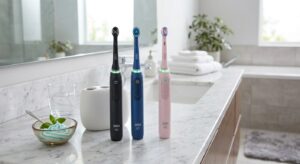
Modern tools and technologies have significantly enhanced the effectiveness and convenience of toothbrushing routines. Electric toothbrushes, for instance, utilize oscillating, rotating, or sonic technology to provide a more thorough clean compared to manual brushes. These devices often include features such as built-in timers, pressure sensors, and multiple brushing modes, which help users improve their oral hygiene habits by ensuring proper brushing duration and technique.
In addition to hardware, mobile applications have become valuable aids in promoting efficient brushing practices. Apps like BetterMouth offer visual guidance through fun animations that direct users to brush each quadrant of the mouth thoroughly. Beyond simple timing functions, such apps track related oral care activities, including flossing, rinsing, and tongue cleaning, encouraging a comprehensive oral hygiene routine. Gamification elements, such as earning points and maintaining streaks, make the experience more engaging and motivating for users.
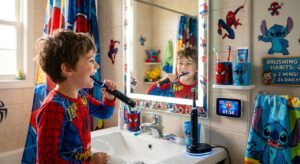
Similarly, other apps like Mimizaur aim to make brushing enjoyable for children by combining entertainment with dental education, fostering good habits early on. Furthermore, some innovative toothbrushing timers are designed to operate with minimal user input—participants simply press a button to start a preset three-minute timer, allowing them to focus on brushing without distraction or manual time setting.
These technologies, combined with trusted advice from dental professionals and caregivers, contribute to building consistent and effective toothbrushing habits. Establishing rapport and making oral care routines feel like a shared goal rather than an obligation can further enhance motivation and compliance. Together, these tools and approaches help individuals maximize their brush time for optimal oral health.
Maintaining Motivation
Maintaining motivation to brush effectively and consistently can be enhanced by creating strong context triggers that align with daily habits and surroundings. This involves analyzing one’s routine to identify consistent activities—such as brushing teeth after waking up or before bed—and placing visual or physical cues in these environments to prompt the desired behavior. For example, keeping a vitamin bottle next to the toothbrush or leaving a notepad by the computer encourages follow-up actions after brushing or checking emails. Specific and reliable triggers, such as meditating immediately after brushing teeth rather than a vague plan to meditate “in the evening,” help the brain recognize and respond more easily to these cues. Additionally, placing noticeable reminders like sticky notes on bathroom mirrors or running shoes in commonly traveled areas creates unavoidable visual prompts that reinforce the habit.
Using technological aids like toothbrushing timers can also support motivation by encouraging proper brushing duration without requiring additional effort to track time. Unlike manual timers, a dedicated toothbrushing timer automatically measures the recommended brushing period (usually three minutes) while users engage with related activities
Health Benefits of an Efficient Brushing Routine
An efficient toothbrushing routine plays a crucial role in maintaining optimal oral health. Brushing twice daily is widely recommended because it helps remove biofilm and provides regular fluoride application, both of which are essential for preventing cavities and maintaining strong teeth. However, for many individuals, especially those from low socio-economic backgrounds, brushing less regularly is a common issue, highlighting the importance of establishing toothbrushing as a habitual behavior to ensure long-term oral health maintenance.
Beyond cavity prevention, an effective brushing routine contributes to controlling bad breath (halitosis), treating gingivitis, and managing plaque buildup. Gingivitis, the most common form of gum disease, begins when bacteria accumulate in the mouth and form plaque and tartar on teeth. If plaque is not removed through regular brushing, it can lead to tooth decay and further complications. Because the bacterial load in the mouth can double every four to five hours, maintaining consistent oral hygiene is essential.
In addition to brushing, complementary practices such as using mouthwash and tongue scrapers can enhance oral health by reducing oral bacteria and freshening breath, although they should be used as supplements rather than replacements for brushing and interdental cleaning. Proper care of dental tools, including thoroughly rinsing toothbrush bristles to remove debris and toothpaste residue, is also important to maintain hygiene and effectiveness.
Frequently Asked Questions
Is toothbrushing considered a habit?
Yes, many individuals perceive toothbrushing as a habitual behavior. Participants in studies often describe toothbrushing as something they have simply “gotten into the habit of,” indicating that it is an automatic part of their daily routine rather than a consciously planned action. This habitual nature means that people typically do not deliberate before brushing; rather, it happens almost instinctively as part of their day.
What triggers toothbrushing routines?
Toothbrushing is often initiated by specific cues embedded within daily routines. External stimuli, such as finishing a shower in the morning or preparing for bed in the evening, serve as important prompts for brushing teeth. These environmental and event-related cues play a significant role in activating the behavior, supporting the automaticity of toothbrushing as part of a sequence of daily activities.
Do toothbrushing habits vary throughout the day?
Yes, motivations and triggers for toothbrushing can differ depending on the time of day. For example, morning brushing is commonly prompted by external events, while evening routines may have different contextual cues. This variability highlights that while toothbrushing is generally habitual, the specific stimuli initiating the behavior may change across daily contexts.
How do people describe their awareness of toothbrushing?
Many people report that they do not consciously think about brushing their teeth when they do it. Descriptions such as “it’s just something that happens” or “I don’t think, ‘Oh, I’ve got to brush my teeth’” reflect the automaticity of the behavior. This suggests that toothbrushing is often performed with minimal active decision-making, reinforcing its status as a deeply ingrained habit.
What happens if toothbrushing routines are disrupted?
Toothbrushing routines can be disrupted and then re-established throughout a person’s life. Changes in daily schedules, environments, or circumstances can interrupt habitual behaviors, but individuals typically find ways to reintegrate toothbrushing back into their routines. This adaptability underscores the resilience of the habit even when life course changes occur.
The content is provided by Sierra Knightley, Lifelong Health Tips