Summary
**Aloe vera** is a succulent plant renowned worldwide for its extensive therapeutic, cosmetic, and medicinal properties. With a history dating back over 4,000 years, it has been esteemed across various cultures—from ancient Egypt, where it was called “the plant of immortality,” to traditional Indian Ayurveda and indigenous American medicine—for its healing, skin-enhancing, and health-promoting effects. Its gel contains a complex mixture of over 200 bioactive compounds, including polysaccharides, anthraquinones, flavonoids, and vitamins, which underpin its diverse biological activities such as wound healing, anti-inflammatory effects, and metabolic support.
The plant’s most prominent uses include topical applications for skin health and wound repair, oral care products that reduce dental plaque and gingivitis, and potential benefits in managing metabolic conditions like type 2 diabetes. Aloe vera’s capacity to accelerate burn healing and promote collagen synthesis has been supported by numerous clinical studies, making it a favored ingredient in pharmaceutical and cosmetic industries worldwide. Additionally, its traditional roles in digestive health and immune modulation continue to inspire contemporary research, though some health claims remain under investigation for definitive clinical validation.
Commercially, Aloe vera has become a staple in skincare, oral hygiene, and dietary supplements, with a rapidly growing global market particularly prominent in Asia Pacific regions. Its cultivation has spread globally since the 16th century, driven by increasing demand for natural and plant-based products. Despite its widespread use and safety in topical applications, caution is advised with oral consumption due to potential side effects from certain bioactive compounds, highlighting the importance of quality control and professional guidance.
Ongoing scientific research continues to explore Aloe vera’s pharmacological potential, focusing on its complex phytochemistry and mechanisms of action, as well as addressing challenges related to standardization and efficacy. While its traditional and modern medicinal uses are well documented, controversies remain regarding the extent of its benefits in some medical conditions, underscoring the need for further high-quality clinical trials.
History and Origin
Aloe vera has been revered throughout history for its remarkable healing and cosmetic properties, earning it the title “the plant of immortality” in ancient Egyptian culture. Both Cleopatra and Nefertiti reportedly incorporated aloe vera juice into their daily beauty regimens, valuing its ability to enhance skin health and maintain youthfulness. Beyond personal use, the plant also held significant religious and cultural importance; deceased pharaohs were embalmed with aloe vera due to its antibacterial and antifungal properties, reflecting the Egyptian belief that preventing physical decomposition was essential for attaining eternal life. Aloe vera was also offered to deceased rulers, signifying its sacred status, and the Egyptians employed it in papyrus production and tuberculosis treatment.
The historical use of aloe vera is not limited to Egypt. Documentation on clay tablets from Nippur, dating back to 2200 BCE, attests to its widespread recognition in ancient Mesopotamia. Similarly, Ayurvedic texts such as the Charaka Samhita highlight aloe vera’s therapeutic applications for digestive health, skin conditions, and overall vitality, underscoring its long-standing role in traditional Indian medicine under the name “Kumari”. Aloe vera was incorporated into numerous Ayurvedic formulations, treating ailments ranging from abdominal issues to chronic fever and headaches.
In the Americas, the Maya Indians referred to aloe vera’s beneficial juice as the “Fountain of Youth,” emphasizing its reputed health benefits and skin-enhancing properties. The plant was introduced to new regions during the 16th century by Spanish Jesuit monks, who collected wild aloe vera and spread its cultivation, further solidifying its global medicinal reputation.
Botanical Description
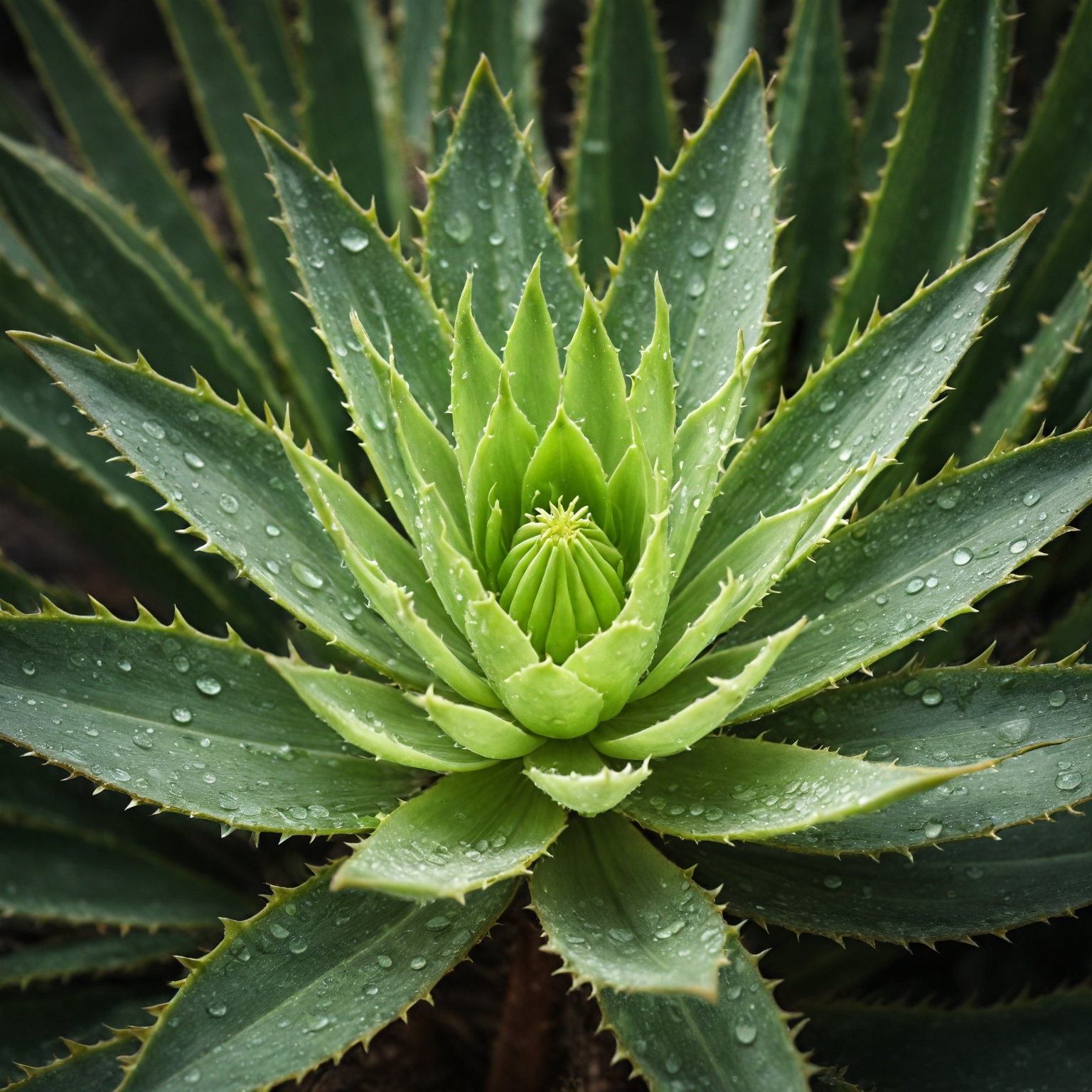
Aloe vera is a wild, evergreen, prickly succulent plant that has garnered significant attention from health professionals worldwide due to its extensive uses. The plant reaches maturity at around 3 to 4 years of age, attaining a height of up to 30 inches with as many as 21 leaves. These leaves are thick and fleshy, characteristic of succulent plants, adapted to store water in arid conditions.
Taxonomically, Aloe vera has several synonyms including *Aloe barbadensis* Mill., *Aloe indica* Royle, *Aloe perfoliata* L. var. *vera*, and *Aloe vulgaris* Lam. There is also recognition in some literature of a white-spotted variant known as *Aloe vera* var. *chinensis*, and the spotted form of Aloe vera may be conspecific with other Aloe species.
Chemically, Aloe vera is notable for containing more than 75 bioactive compounds, including key constituents such as polysaccharides, phenolics, and phytosterols. This complex chemical profile underpins the plant’s extensive biological and nutritional properties, which have been the subject of numerous studies and industrial applications.
Chemical Composition
Aloe vera contains a diverse array of phytochemicals, with over 200 bioactive compounds identified in its gel. These compounds can be broadly categorized into several groups, including anthraquinones, anthranols, chromones, coumarins, pyrans and pyrones, flavonoids, naphthalene derivatives, and polysaccharides. Among the most notable anthraquinones are aloe-emodin, emodin, and chrysophanol, while the anthranols group includes aloin A, aloin B, aloinoside A, aloinoside B, and aloesaponol. Chromones such as aloesin and aloesone, along with coumarins like esculetin and umbelliferone, contribute to the plant’s biochemical profile. Pyrans and pyrones are represented by aloinin, flavonoids by isovitexin, and naphthalene derivatives by plicataloside.
One of the most significant polysaccharides present in Aloe vera is acemannan (AC), a highly acetylated mannan linked by β-(1,4) glycosidic bonds. Acemannan exhibits excellent biodegradability and biocompatibility, making it valuable in biomedical applications due to its immunomodulatory, antiviral, antitumor, and tissue regeneration properties. Extracted and purified from Aloe vera gel, acemannan has been used in clinical treatments, particularly in tissue regeneration and the management of various diseases including oral, metabolic, cardiovascular, and neoplastic conditions.
Advancements in extraction techniques have enhanced the isolation and preservation of key bioactive compounds such as aloin, acemannan, and other polysaccharides, ensuring their potency and efficacy in health-related products. Aloe vera’s rich chemical composition also includes vitamins, enzymes, amino acids, fatty acids, alkaloids, inorganic compounds, and carbohydrates, all contributing to its therapeutic potential.
The anthraquinones, particularly aloin and aloe-emodin, have drawn attention for their biological activities. Aloin, a prominent component of Aloe vera exudate, is known for its laxative effects, which are believed to result from its transformation into aloe-emodin in the gut. Moreover, anthraquinones and related quinoid compounds exhibit antiplasmodial activity, which may contribute to the plant’s medicinal properties.
In addition to these compounds, Aloe vera contains powerful antioxidants such as polyphenols and vitamins C and E, which support skin regeneration, enhance collagen production, and contribute to anti-aging benefits. While the plant possesses antibacterial and anti-inflammatory properties that may help with acne management, further research is needed to conclusively establish these effects.
Health Benefits
Aloe vera is widely recognized for its diverse therapeutic properties and has been used traditionally to promote health and well-being. Its benefits span various areas including skin health, wound healing, dental care, metabolic regulation, and digestive support.
Skin Health and Wound Healing
Aloe vera’s gel contains a high water content along with mucopolysaccharides, amino acids, and zinc, which contribute to maintaining skin integrity, moisture retention, and reducing erythema. These components promote skin regeneration by enhancing collagen production and cross-linking, thereby increasing skin flexibility and reducing fragility. Topical application of aloe vera has been shown to accelerate the healing of burns by approximately nine days compared with conventional treatments, while also reducing itching and preventing infections. It may also support the treatment of inflammatory skin conditions and aid in slowing signs of skin aging, as suggested by preliminary clinical trials involving Aloe sterol supplementation.
Furthermore, aloe vera can upregulate growth factors such as TGFβ1, bFGF, and VEGF-A in fibroblasts and promote keratinocyte proliferation and differentiation, which are critical processes for wound repair. The gel also exhibits antioxidant properties by decreasing oxidative stress markers and increasing antioxidant enzyme activity, contributing to skin protection and repair.
Dental and Oral Health
Aloe vera has demonstrated promising effects in oral health care. Clinical studies indicate that aloe vera mouth rinses can reduce dental plaque, gingivitis, and levels of Streptococcus mutans, a key bacterium involved in tooth decay. It has been found to be a natural alternative to chemical mouthwashes like chlorhexidine, effectively managing symptoms following dental procedures such as molar surgery. Additionally, aloe vera treatments can accelerate healing of mouth ulcers and reduce the severity of radiotherapy-induced oral mucositis (RIOM), an inflammatory condition of the mucous membranes.
Metabolic and Digestive Health
Aloe vera may also play a role in metabolic health, particularly in improving insulin sensitivity and aiding blood sugar management. A 2021 review reported moderate to high quality evidence supporting its beneficial effects in patients with prediabetes or type 2 diabetes, although the quality of existing studies limits definitive recommendations for clinical use. When ingested, aloe vera might help lower cholesterol levels and alleviate heartburn symptoms.
In digestive health, aloe vera is valued in traditional medicine systems such as Ayurveda for supporting digestion and metabolism. Some studies have indicated potential benefits in inflammatory bowel conditions, including ulcerative colitis and irritable bowel syndrome (IBS), by modulating inflammatory responses and gastrointestinal symptoms.
Additional Benefits and Considerations
Beyond these well-studied areas, aloe vera’s antibacterial, antioxidant, and anti-inflammatory properties contribute to its broad therapeutic potential. However, while promising, many health claims require further high-quality research to establish efficacy and safety definitively.
It is important to note that some benefits, such as diabetes management and wound healing in types other than burns, are supported by preliminary or limited evidence. Users are advised to consult healthcare professionals, especially when using aloe vera for specific medical conditions or skin concerns.
Medicinal Uses
Aloe vera has been widely recognized for its diverse medicinal properties, utilized in various traditional and modern therapeutic contexts. Its applications span from ancient healing practices to contemporary clinical studies, emphasizing its multifaceted benefits for health and disease management.
Traditional Medicine
In Ayurveda, Aloe vera is a prominent ingredient in several formulations aimed at treating a range of ailments. Some well-known Ayurvedic medicines containing Aloe include Kumarayasav, used for abdominal distention, bloating, cough, and piles; Raja Pravartini Vati, prescribed for amenorrhea and scanty menstrual bleeding; Mukta Panchamrit Ras, for chronic fever, phthisis, and emaciation; and Karutha Gulika, used in headache treatment. Additionally, Aloe vera plays a role in the preparation of Tamra Bhasma (copper calx) by incinerating copper metal. Ancient texts like the Charaka Samhita highlight Aloe vera’s benefits for digestive health and its ability to balance bodily humors, reflecting its longstanding therapeutic value in Indian culture.
Historically, Aloe vera also held significant importance in ancient Egyptian medicine, where it was applied topically to treat wounds, burns, and skin diseases, as well as for cosmetic purposes such as skin care lotions and ointments. Its versatility and effectiveness made it a staple in Egyptian healing traditions alongside other medicinal plants like myrrh and frankincense.
Modern Clinical Applications
Recent systematic reviews and clinical trials have corroborated many traditional uses of Aloe vera, especially in wound healing and skin care. A comprehensive review of 23 clinical trials demonstrated Aloe vera’s efficacy in preventing skin ulcers and treating a variety of conditions including burn wounds, postoperative wounds, cracked nipples, genital herpes, psoriasis, and chronic wounds such as pressure ulcers. The application of Aloe vera, particularly as a complementary treatment alongside conventional methods, has been shown to enhance wound healing and promote skin health.
Beyond dermatological uses, Aloe vera has garnered attention for its pharmacological activities related to cancer, digestive protection, antimicrobial properties, and metabolic disorders. Studies conducted between 2014 and 2019 have focused on these areas, suggesting potential benefits in bone protection, diabetes management, and cancer prevention. However, clinical trials so far have tested whole Aloe vera preparations rather than isolated active compounds, indicating a need for further research into specific metabolites and their effects in humans.
Although there is moderate to high quality evidence supporting Aloe vera’s effects in patients with prediabetes or type 2 diabetes, the existing studies are not yet sufficient for definitive medical recommendations. Nonetheless, Aloe vera continues to be widely used as a herbal remedy for topical skin conditions and as a supportive treatment for various health issues.
Preparation and Usage
Aloe vera is commonly consumed in the form of fresh juice, which is prepared by extracting the gel from the inner leaf and blending it with water or other fruit juices to enhance flavor. This simple preparation method is widely practiced in traditional medicine to harness the plant’s therapeutic properties.
Commercial and Cosmetic Uses
Aloe vera has established a prominent position in various commercial sectors, especially within the pharmaceutical, cosmetic, and food industries due to its versatile properties and health benefits. Its natural compounds are widely utilized for their moisturizing, healing, and antioxidant effects, which make aloe vera a sought-after ingredient in numerous product formulations.
In the cosmetic industry, aloe vera is frequently incorporated into skincare products such as gels, face washes, and creams. These products are valued for their ability to soothe sunburn, retain skin moisture, and promote skin integrity, contributing to improved wound healing and prevention of ulcers. Companies often collaborate with dermatologists to develop safe and natural aloe vera-based cosmetic lines, ensuring the products are both effective and skin-friendly. One notable example is an Indian skincare brand that has been recognized as India’s most promising brand and awarded Green Business of the Year, largely due to its innovative aloe vera product range.
Aloe vera’s cosmetic applications extend beyond skincare to oral care products. Research suggests that aloe vera-containing mouthwashes and dentifrices can effectively reduce plaque, gingivitis, and oral bacterial growth, performing comparably to traditional chemical formulations like chlorhexidine. These natural oral care alternatives appeal to consumers seeking gentler, plant-based options.
The global market for aloe vera products has experienced significant growth, with the gel segment leading in sales. The Asia Pacific region currently represents the largest market, driven by increasing consumer awareness of natural ingredients and expanding applications in pharmaceuticals and cosmetics. The rise of e-commerce has also facilitated market expansion, as online retail accounts for a substantial share of aloe vera product distribution, offering consumers easy access to a wide variety of aloe vera formulations, from raw leaves to finished cosmetic products.
Cultivation and Harvesting
Aloe vera is widely cultivated both for its ornamental appeal and its extensive medicinal properties. An adult aloe vera plant typically reaches maturity within 3 to 4 years, growing up to a height of approximately 30 inches and developing as many as 21 leaves. The plant’s succulence enables it to thrive in arid and low-rainfall environments, making it a popular choice for rockeries and low water-use gardens.
Despite its adaptability and increasing demand, the supply chain for raw aloe vera leaves faces challenges. Issues related to complexity, quality instability, and pricing fluctuations can impact consistent production and market growth. Nonetheless, innovations in aloe-based product manufacturing continue to stimulate market expansion and encourage more widespread cultivation
Safety, Potential Side Effects, and Precautions
Aloe vera is generally considered safe for topical use, with the National Center for Complementary and Integrative Health (NCCIH) noting that its application on the skin is likely safe for most people. It has been widely utilized in various commercial products, especially in the food, beverage, medicinal, and cosmetic industries, due to its proven safety and effectiveness on humans and animals. However, while topical use is well tolerated, oral consumption of aloe vera may lead to certain adverse effects. These can include stomach cramps and diarrhea, primarily attributed to its laxative properties.
Despite its safety profile, it is important to exercise caution with aloe vera ingestion, particularly in higher doses or with prolonged use. The plant contains several bioactive phytochemicals such as anthraquinones (including aloin and aloe-emodin), which contribute to its pharmacological effects but may also pose risks if consumed excessively. Quantitative analyses of these compounds have been conducted to better understand their concentration variations and potential impacts.
Users should be aware of possible side effects and consult healthcare professionals before initiating oral aloe vera supplementation, especially individuals with underlying health conditions or those taking medications that may interact with aloe compounds. Additionally, as some products combine aloe vera with other ingredients, verifying the quality and safety standards of commercial preparations is advisable.
Research and Scientific Studies
Recent years have witnessed a surge in research focusing on the pharmacological and therapeutic properties of Aloe vera. Numerous studies conducted between 2014 and 2019 have particularly highlighted Aloe vera’s anti-cancer potential, skin and digestive protective effects, and antimicrobial activities through various in vitro, in vivo, and clinical trials. Comprehensive literature reviews have also underscored the plant’s wide-ranging medicinal attributes and the underlying mechanisms involved in its efficacy against several diseases.
Clinical trials have provided evidence supporting Aloe vera’s role in wound healing, especially concerning skin injuries. These studies typically employ Aloe vera gel, creams, or derivatives, often using placebo-controlled or comparative designs, confirming its beneficial effects in wound prevention and repair. In the context of oral health, limited but promising research suggests that Aloe vera-containing mouthwashes and topical products may aid in managing gum disease symptoms and enhancing post-surgical healing, as demonstrated by randomized controlled trials comparing Aloe vera to conventional agents like chlorhexidine.
The phytochemical profile of Aloe vera is complex, comprising over 200 bioactive compounds. Key constituents include anthraquinones such as aloe-emodin and emodin, anthranols like aloin A and B, chromones including aloesin, coumarins (esculetin and umbelliferone), flavonoids (isovitexin), polysaccharides (acemannan), and other compounds like pyrans, pyrones, and naphthalene derivatives. These compounds contribute synergistically to the plant’s pharmacological properties. Environmental factors, such as temperature and rainfall, have been shown to influence the concentration of phytochemicals like aloin and aloe-emodin, which can impact the bioactivity of Aloe vera extracts.
Analytical methods for quantifying Aloe vera phytochemicals vary widely, ranging from sophisticated techniques like gradient elution and GC–MS to capillary electrophoresis. However, each method presents specific challenges, such as sensitivity limitations or the need for complex instrumentation. The commercial application of Aloe vera spans numerous product forms including pills, ointments, lotions, and beverages, reflecting its versatility and widespread acceptance.
The global market for Aloe vera products continues to expand rapidly, especially in emerging regions such as Asia Pacific, Latin America, the Middle East, and Africa. This growth is driven by increasing consumer awareness of Aloe vera’s health benefits and a rising preference for natural and herbal products. Consequently, ongoing scientific research coupled with market dynamics positions Aloe vera as a valuable resource in both traditional and modern medicine.
The content is provided by Sierra Knightley, Lifelong Health Tips