Summary
National Smile Month is an annual health campaign established in 1977 by the British Dental Health Foundation (now the Oral Health Foundation) to promote oral health awareness and encourage good dental hygiene practices across the United Kingdom and beyond. Originally launched as a week-long initiative called “Smile ’77,” the campaign has since expanded into a month-long observance, engaging millions through educational activities, community events, and media outreach. Its core mission is to highlight the importance of regular preventive dental care, including effective brushing, routine dental visits, and reduced sugar consumption, with the broader goal of improving overall wellbeing through healthier smiles.
The campaign is notable for combining practical oral health education with a celebration of the social and emotional benefits of smiling, promoting positivity and happiness alongside physical health. Over its four-decade history, National Smile Month has grown into one of the longest-running oral health initiatives worldwide, reaching an estimated audience of over 180 million and inspiring related programs internationally, such as UAE Smile Month and collaborations with organizations like Oral Health America and Project Smile Global. Its success reflects a sustained effort to integrate modern dental knowledge with accessible public messaging and community involvement.
National Smile Month’s activities range from school-based educational programs to professional dental outreach and social media campaigns, making oral health information widely available and actionable. The initiative also incorporates current dental technologies and treatments into its messaging, emphasizing the role of modern care in maintaining healthy smiles and preventing disease. By fostering partnerships among dental professionals, educators, and the public, the campaign continues to promote lifelong oral health habits and the powerful role of a smile in personal and social wellbeing.
Despite its broad acclaim, the campaign faces challenges common to public health efforts, such as reaching underserved populations and addressing disparities in dental care access. Nonetheless, National Smile Month remains a significant and influential platform for advancing oral health education, underscoring the connection between a healthy smile and happiness on both individual and community levels.
History
National Smile Month originated in 1977 in the West Midlands of the United Kingdom, founded by the British Dental Health Foundation (now known as the Oral Health Foundation). Initially launched as a week-long campaign called “Smile ’77,” its primary purpose was to raise public awareness about dental health during a period when preventative dentistry was not yet widespread. The campaign aimed to educate the public on the importance of regular preventative dental care and to promote good oral health habits.
One of the early highlights of the campaign was the contribution of British poet Pam Ayres, who wrote the poem “I Wish I’d Looked After My Teeth.” This poem resonated deeply with the public and was later voted into the top ten of a BBC poll of the nation’s favorite poems, helping to humanize and popularize the message of the campaign. Following the success of the initial year, the event was repeated in 1978 and then formally renamed National Smile Week in 1979.
Throughout the 1980s, National Smile Week expanded its reach and influence, cementing partnerships with dental professionals and successfully communicating oral health routines to a wider audience. The 1984 campaign in London, themed “Eat Well Stay Biting Fit,” marked a major milestone, significantly raising awareness and contributing to reductions in dental disease. This decade laid the groundwork for National Smile Week’s reputation as an important annual health observance.
By the 1990s, the campaign continued to grow, eventually evolving into the month-long event known today as National Smile Month. It broadened its scope to engage not only dental and health professionals but also schools, community groups, workplaces, and individuals across the UK and beyond. The campaign’s enduring success is reflected in its estimated audience of over 180 million readers and viewers, highlighting its global impact on improving oral health awareness.
Today, National Smile Month remains one of the longest-running oral health campaigns worldwide, emphasizing the vital connection between oral health, overall well-being, and the power of a smile. It serves as a platform for education, motivation, and the celebration of healthy smiles, continuing the legacy started over four decades ago.
Objectives and Themes
National Smile Month is primarily dedicated to promoting oral health awareness and encouraging good dental hygiene practices among the public. Its core objectives include educating individuals about the importance of regular preventative dental care and fostering habits that maintain vibrant, healthy smiles. The campaign emphasizes the role of mindful oral care routines in building oral resilience and overall wellness, highlighting the power of a smile not only as a physical expression but also as a gateway to better health and happiness.
The campaign’s key themes revolve around three essential oral health messages: brushing teeth at night and at least once during the day using fluoride toothpaste, regular dental visits, and limiting the consumption of sugary foods and drinks. These guidelines are reinforced through community engagement, including unique events held in schools to instill healthy dental habits in children. National Smile Month also encourages the public to utilize local oral health education resources and participate in programs such as the Dental Buddy initiative, which further supports awareness and preventive care.
Historically, National Smile Month continues the legacy of earlier efforts such as the Smile ‘77 campaign, which introduced the concept of preventive dentistry by promoting cooperation between dentists and patients to prevent decay and gum disease. This foundational approach remains a cornerstone of the campaign’s message, encouraging daily routines that help avoid oral health problems caused by poor brushing habits and excessive sugar intake.
In addition to health education, the campaign aims to foster positivity and happiness by celebrating the transformative power of a smile. The act of smiling is promoted as a simple yet powerful way to enhance mood, build social connections, and spread joy within communities. By combining oral health promotion with the universal appeal of smiling, National Smile Month seeks to improve both physical health and emotional well-being among participants.
Activities and Events
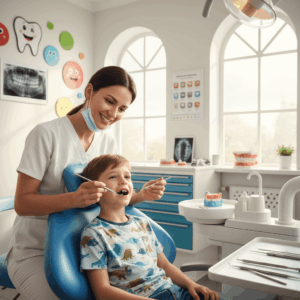
National Smile Month features a variety of activities and events aimed at promoting oral health awareness and encouraging positive dental habits across communities. Throughout the month-long campaign, schools across the United Kingdom host special events designed to help children develop healthy dental routines, emphasizing the importance of brushing teeth at night and at least once during the day using fluoride toothpaste.
Dental practices often participate by inviting people to schedule dental check-ups, helping individuals maintain their oral health proactively. Additionally, social media campaigns play a significant role in spreading awareness, with participants sharing oral health tips, facts, and inspirational messages to highlight the importance of smiles and good dental hygiene.
The campaign also includes community outreach and educational efforts by dental practitioners who speak at schools, businesses, and underserved communities, broadening the impact of National Smile Month beyond traditional settings. Events such as Smile Week have historically distributed informative materials to media and the public, contributing to national coverage and greater public engagement.
Moreover, the initiative has inspired related programs internationally, such as the “UAE Smile Month” held for the first time in the United Arab Emirates in 2014. Volunteer organizations like Project Smile Global further complement these efforts by providing dental care in under-resourced areas worldwide.
By combining in-person events, educational outreach, and digital engagement, National Smile Month fosters a nationwide celebration of oral health and happiness, encouraging people to smile more and care better for their teeth.
Modern Dental Technologies and Treatments in Campaign Messaging
National Smile Month, organized by the Oral Health Foundation, incorporates modern dental technologies and treatments into its educational messaging to emphasize the importance of preventive care and maintaining a healthy smile. While the campaign primarily focuses on foundational oral health habits such as brushing twice daily with fluoride toothpaste, limiting sugary intake, and regular dental visits, it also highlights advances in dental treatments that support these goals.
The integration of contemporary orthodontic concepts, such as the significance of molar positioning in achieving an aesthetically pleasing smile, is occasionally addressed within the campaign’s educational content. For example, discussions around the first-molar-to-first-molar smile reference orthodontic standards while clarifying misconceptions found in prosthodontics, illustrating the nuanced understanding of dental esthetics. Such information helps the public appreciate how modern dental treatments contribute not only to oral health but also to overall appearance and self-confidence.
Moreover, National Smile Month promotes the value of regular dental check-ups as a proactive measure to utilize current diagnostic and treatment technologies. Encouraging timely professional intervention ensures early identification and management of issues like decay and gum disease, which remain prevalent despite advances in care. The campaign’s emphasis on scheduling dental visits aligns with the growing accessibility of innovative dental procedures and technologies that enhance patient outcomes.
In addition to clinical aspects, National Smile Month leverages digital platforms and social media to disseminate information about oral health advancements and treatments. This approach increases public engagement and awareness of the benefits of contemporary dental care, supporting the campaign’s overarching aim to improve smiles worldwide through education and motivation.
Through these multifaceted messaging strategies, National Smile Month successfully integrates modern dental technologies and treatments into its outreach, reinforcing the importance of both everyday preventive habits and professional dental care in achieving and maintaining healthy, confident smiles.
Related Cultural and Global Initiatives
National Smile Month has inspired and intersected with various cultural and global initiatives that emphasize the importance of oral health and the power of a smile. In 2009, Oral Health America partnered with the Oral Health Foundation to co-celebrate National Smile Month simultaneously in the United Kingdom and the United States, marking a significant expansion of the campaign’s reach and impact. This collaboration helped raise awareness about the connection between oral health and overall systemic health to an audience estimated at 180 million readers and viewers, under the slogan “Brush for Health”.
Globally, the campaign’s appeal has continued to grow. By 2014, the United Arab Emirates joined the movement by establishing ‘UAE Smile Month,’ demonstrating the expanding international recognition of oral health’s significance. Alongside National Smile Month, other organizations such as Project Smile Global—a student-led nonprofit dedicated to improving oral health in under-resourced communities worldwide—complement these efforts by providing dental care access, education, and outreach through volunteerism and donations.
Another notable cultural observance related to the celebration of smiles is World Smile Day, created to honor Harvey Ball, the American artist who designed the iconic smiley face in 1963. World Smile Day promotes kindness, positivity, and charitable acts globally, highlighting the mental health benefits of smiling and its ability to strengthen social bonds across diverse cultures and languages. This day fosters a spirit of joy and community, reinforcing the universal language of a smile as a symbol of happiness.
Further supporting the theme of smiles as a catalyst for social change, campaigns such as those by Smile Foundation work to address broader health and educational disparities. Their initiatives, like ‘Health Cannot Wait’ and ‘Shiksha Na Ruke,’ aim to provide healthcare access and educational opportunities for underprivileged children, underscoring the connection between wellbeing and the ability to lead a joyful life.
Collectively, these initiatives illustrate how the simple act of smiling is celebrated not only as a personal expression of happiness but also as a tool for promoting health, education, and global unity. They reinforce the growing understanding that fostering oral health and encouraging positive social interactions contribute to individual vitality and community wellbeing worldwide.
Impact and Reception
National Smile Month has had a significant impact since its inception, evolving from a week-long campaign focused on preventive dentistry into an internationally recognized movement promoting oral health and the power of smiling. Initially launched as Smile ‘77, the campaign introduced the concept of preventive dentistry, emphasizing the collaboration between dentists and patients to establish healthy oral routines and reduce issues such as tooth decay and gum disease caused by poor brushing and high sugar consumption.
By 2009, the campaign expanded its reach globally, including the United States, where it attracted an estimated audience of 180 million readers and viewers. This growth highlighted the campaign’s broad appeal and effectiveness in raising awareness about oral health. That same year, Oral Health America partnered with the Oral Health Foundation to co-celebrate National Smile Month in both the UK and the US, further solidifying its international presence.
The campaign has received positive feedback from various participants, including dental and health professionals, schools, community groups, and workplaces. One successful initiative involved distributing informational materials such as the ‘Secret Identification File’ and the ‘Selecting a Dentist’ leaflet to journalists, generating widespread national media coverage and public engagement. The British Dental Health Foundation’s rebranding to the Oral Health Foundation reflected a strategic commitment to providing oral health education and support worldwide.
Moreover, the campaign’s focus on spreading smiles extends beyond oral health. It encourages healthier lifestyle choices, such as eating crunchy fruits and vegetables beneficial to teeth, and fosters a culture of happiness through smiling. Feedback from staff involved in related organizational smile campaigns indicated increased morale and strengthened relationships, demonstrating the positive social effects of the initiative.
The content is provided by Harper Eastwood, Lifelong Health Tips