Summary
Watermelon seeds, often overlooked as mere by-products of the popular summer fruit, are increasingly recognized for their remarkable nutritional and health benefits. Rich in essential minerals such as magnesium, iron, and zinc, as well as B vitamins and bioactive compounds like cucurbitacin, citrulline, and lycopene, watermelon seeds offer a diverse nutrient profile that supports cardiovascular health, immune function, and nervous system regulation. Their unique composition has led to growing interest in their potential as functional foods and nutraceutical ingredients for the prevention and management of chronic diseases including cancer, diabetes, and cardiovascular disorders.
Beyond their nutritional value, watermelon seeds are versatile in culinary uses, consumed raw or roasted as snacks, or incorporated into various dishes and beverages to enhance flavor and texture while boosting nutritional content. This versatility aligns with sustainability trends that promote the utilization of agricultural by-products, reducing waste and creating new value streams in the food industry. Cultivation and harvesting practices for watermelon, including seedless varieties, also influence the availability and characteristics of seeds, adding complexity to their production and use.
Scientific research on watermelon seeds has expanded in recent years, with studies highlighting their antioxidant, anti-inflammatory, and antimicrobial properties. However, while early findings on their cardiovascular and metabolic benefits are promising, robust clinical evidence remains limited, prompting calls for further large-scale human trials to confirm efficacy and safety. Potential risks related to supplementation, including allergic reactions and interactions with medications, underline the importance of cautious and informed consumption.
Culturally, watermelon and its seeds hold symbolic significance in many societies, particularly in the United States where watermelon-centered festivals and traditions celebrate the fruit’s role in community life and heritage. These cultural practices help elevate the profile of watermelon seeds beyond mere discardable remnants, encouraging a broader appreciation of their nutritional and social value.
Nutritional Profile
Watermelon seeds are a nutrient-dense food, offering a variety of essential minerals, vitamins, and bioactive compounds beneficial to human health. Among the minerals present, magnesium is notably abundant; a 4-gram serving provides approximately 21 mg of magnesium, which accounts for about 5% of the recommended daily intake for adults. Magnesium plays a critical role in metabolic functions, energy production, nerve and muscle function, as well as maintaining immune, heart, and bone health. Additionally, watermelon seeds contain iron, with a handful providing around 0.29 mg or 1.6% of the daily value, although the presence of phytates in the seeds can reduce iron absorption.
Besides minerals, watermelon seeds are a good source of zinc and B vitamins, both vital for proper neurotransmitter function and nervous system health. These nutrients contribute to stress reduction, anxiety relief, and improved mood. The seeds also contain folate, which may help reduce risks associated with cancer and depression. Furthermore, watermelon seeds provide monounsaturated and polyunsaturated fatty acids, which support cardiovascular health by lowering bad cholesterol and guarding against heart attack and stroke.
Bioactive compounds such as cucurbitacin found in watermelon seeds exhibit antioxidant, anti-inflammatory, antimicrobial, and anti-cancer properties in preliminary studies, indicating their potential as nutraceutical ingredients for chronic disease prevention and overall health promotion. The seeds are also rich in plant compounds like citrulline and lycopene; lycopene, in particular, is a potent antioxidant that surpasses other carotenoids in free radical scavenging ability and contributes to immune system support, tumor progression prevention, and protection against oxidative stress-related conditions like macular degeneration and cataracts.
Health Benefits
Watermelon seeds offer several health benefits due to their rich composition of vitamins, minerals, amino acids, and bioactive compounds. They contain essential nutrients such as omega-6 fatty acids, B vitamins, zinc, folic acid, and amino acids like arginine, which contribute to overall health and well-being.
One significant benefit is their positive impact on the nervous system and mental health. The presence of zinc and vitamin B supports proper neurotransmitter function, helping to maintain a healthy nervous system. These nutrients may also reduce stress and anxiety, thereby improving mood and happiness levels. Additionally, consuming approximately 4 grams of seeds provides about 4% of the daily value of zinc, which is vital for enhancing immunity and potentially reducing the frequency of illnesses such as colds and coughs.
Watermelon seeds also contribute to cardiovascular health. The high arginine content in the seeds is associated with improved antioxidant activity and anti-inflammatory effects, which may aid in reducing risk factors for cardiovascular diseases (CVDs). Arginine serves as a precursor for nitric oxide synthesis, a molecule critical for vascular function and blood pressure regulation. Watermelon seed extracts have demonstrated anti-bacterial, anti-inflammatory, and antioxidant properties that further support heart health. Moreover, watermelon consumption, inclusive of its seeds, has been linked to lowered levels of triglycerides and low-density lipoprotein cholesterol, alongside increased antioxidant capacity in obese individuals, which collectively reduce chronic illness risks related to cardiovascular disorders and metabolic diseases.
In addition to cardiovascular benefits, watermelon seeds show promise as a nutraceutical ingredient due to their anti-cancer, antimutagenic, and hypoglycemic properties. Compounds such as cucurbitacin exhibit antioxidant and anti-inflammatory effects, which may help prevent various chronic conditions, including cancer and diabetes. Lycopene, a pigment abundant in watermelon, is a potent antioxidant that protects cells from oxidative stress and UV damage and may contribute to skin health by improving collagen integrity and slowing tumor progression.
Finally, watermelon seeds offer benefits for digestive health. They are a good source of carbohydrates, including glucose, sucrose, and fructose, and their arginine content may aid in reducing symptoms of ulcerative colitis and improving overall antioxidant status. Due to their low-calorie yet nutrient-rich profile, watermelon seeds can be a valuable addition to a balanced diet when consumed alongside a healthy and active lifestyle.
Culinary Uses
Watermelon seeds are widely used in various culinary applications due to their nutritional benefits and versatility. They can be consumed as a healthy snack either raw or roasted. Roasting the seeds enhances their flavor and makes them more palatable; typically, seeds are toasted in an oven at around 160ºC (320ºF) for 15 to 20 minutes. These roasted seeds can be eaten on their own or added to salads, yogurt, or soups to provide a crunchy texture and nutritional boost.
In addition to snacking, watermelon seeds are increasingly recognized for their potential as functional ingredients in food products. They are rich in essential nutrients such as magnesium and iron, which contribute to their status as a nutritious alternative to conventional snacks. The seeds, as a by-product of watermelon processing, offer an opportunity for value addition in the food industry, especially considering that seeds constitute about 2% of the entire fruit weight.
Moreover, watermelon seeds can be incorporated into smoothies or combined with other fruit juices to create refreshing beverages. For example, blending watermelon with orange juice is a popular way to enhance flavor and nutritional content. Their inclusion in various edible products aligns with the growing trend of utilizing agri-food by-products to reduce waste and promote sustainable food practices.
Cultivation and Harvesting
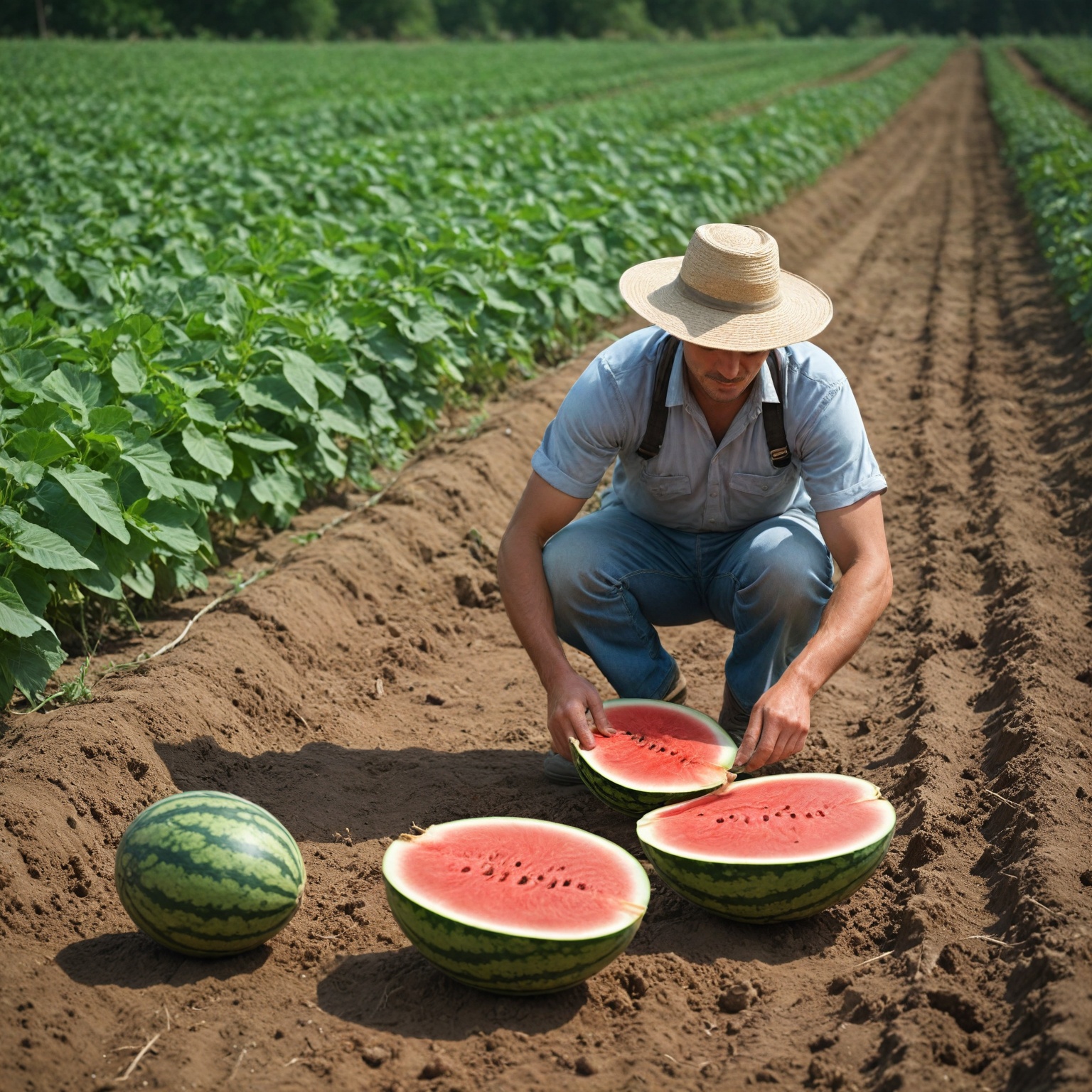
Watermelon cultivation requires careful consideration of soil, climate, spacing, and timing to ensure optimal growth and fruit quality. Watermelons thrive best in rich, loose, sandy loam soil due to their succulent nature and high nutrient demands. For planting, seeds are typically sown 1/2 to 1 inch deep outdoors or 1/4 to 1/2 inch deep when started indoors. In colder regions, seeds should be started indoors 2–3 weeks before the last frost date to protect young plants from cold damage, while in warmer climates direct seeding is common once soil temperatures reach at least 65°F (18°C). Soil solarization using black plastic mulch is often employed to speed up ground warming and promote seed germination.
Watermelon plants require significant space to accommodate their sprawling vines, with recommendations of up to 20 square feet per plant. Planting in raised mounds or hills improves drainage and allows soil to retain heat, which benefits the fruit’s development. Typically, seeds are sown 6–8 per hill, with thinning later to 2–3 strong plants per hill. When planted in rows, spacing of at least 6 feet between rows and 2–3 feet between plants is advised to avoid overcrowding. Early cultivation before vine running can also help mitigate weed problems, especially when infestation levels are mild.
Throughout the growing season, maintaining healthy vines is crucial for high sugar content and fruit quality. Watermelon fruits should be carefully harvested by cutting the stem tendril closest to the fruit rather than pulling or twisting the melon from the vine to prevent damage. Indicators of ripeness include drying of the stem tendril near the attachment point and changes in the rind color, although these vary among cultivars. Seedless watermelon varieties tend to have thicker, more durable rinds that prolong shelf life and reduce overripening both in the field and in storage. Additionally, seedless varieties require pollinators for fruit set, adding complexity to their cultivation.
Pest management is also a key aspect of watermelon cultivation, as insects such as cucumber beetles, aphids, seed corn maggots, leafminers, and rindworms can cause significant crop losses. Growers with smaller plots (5 acres or fewer) often rely on custom-hired services for land preparation, planting, and harvesting to optimize efficiency.
Research and Studies
Recent research has explored the potential health benefits of watermelon seeds, with a particular focus on their pharmacological properties and therapeutic actions. Studies indicate that extracts from watermelon seeds, as well as other parts of the plant such as sprouts and leaves, exhibit medicinal properties that may be valuable in the treatment of various ailments. These investigations highlight the seeds’ potential applications in the food industry as functional foods, and in the cosmeceutical and nutraceutical sectors due to their bioactive components.
In addition to studies on watermelon seeds, broader research on watermelon consumption has examined its effects on cardiovascular health. A systematic review and meta-analysis of randomized controlled trials (RCTs) assessed the impact of watermelon supplementation on cardiovascular disease (CVD) risk factors. The analysis, which followed the PRISMA protocol and included data from major databases up to March 2022, found promising evidence for the antihypertensive effects of watermelon intake. However, the authors noted the need for caution when interpreting other outcomes due to limited human data. They recommended further RCTs with larger sample sizes and longer follow-up periods to validate these findings.
Potential Risks and Precautions
While watermelon seeds and their supplementation have shown promising benefits, particularly in relation to cardiovascular health, it is important to consider potential risks and necessary precautions. Current research, including a meta-analysis of randomized controlled trials, primarily highlights the antihypertensive effects of watermelon, yet emphasizes the limited evidence available regarding other health outcomes. Due to the scarcity of extensive human studies with larger sample sizes and longer follow-ups, conclusions about safety and broader effects remain tentative.
Individuals considering watermelon seed supplementation should be aware that comprehensive safety profiles are not yet fully established. Possible allergic reactions or interactions with medications, especially those affecting blood pressure, cannot be ruled out without further clinical investigation. Therefore, consultation with healthcare professionals before starting regular supplementation is advisable, particularly for people with pre-existing health conditions or those taking prescribed treatments.
Cultural Significance
Watermelons hold a prominent place in cultural traditions and social events across many regions, symbolizing life, joy, and abundance. They are more than just a refreshing summer treat; they represent history, community, and celebration. In the United States, watermelons are especially associated with summer and Independence Day festivities, where they are commonly enjoyed at picnics and barbecues. The fruit’s presence at these gatherings highlights its integration into the cultural fabric of American life.
Several festivals underscore the watermelon’s cultural importance. For example, the Luling Watermelon Thump in Texas and the Watermelon Festival in Vincennes, Indiana, are annual events that attract thousands of visitors. These celebrations feature a variety of activities such as watermelon eating contests, seed-spitting competitions, and parades, all of which honor the fruit’s role in local agriculture and communal identity. Seed-spitting contests, in particular, are a popular and playful tradition that further connect communities with the fruit, even inspiring some people to reconsider the value of watermelon seeds beyond mere disposal.
Historically, watermelons have been cultivated since ancient times, with roots tracing back to prehistoric periods and early Egyptian agriculture. This long-standing cultivation underscores the fruit’s enduring presence and significance in human societies worldwide. As such, enjoying watermelon is not only a culinary experience but also an appreciation of a rich heritage that continues to bring people together through shared rituals and festive celebrations.
The content is provided by Jordan Fields, Lifelong Health Tips