Summary
The surge in calls to dental helplines has emerged as a significant phenomenon in oral healthcare, particularly highlighted during the COVID-19 pandemic. Dental helplines, such as the National Dental Helpline staffed by qualified dental professionals, provide immediate advice and triage to individuals facing barriers to dental care, offering critical support amid disruptions to routine services. The pandemic notably intensified demand, with call volumes reaching unprecedented levels—up to 249 calls per day in some urgent care hubs—driven largely by dental pain and emergencies as access to in-person care became limited.
This surge reflects broader systemic challenges, including the loss of dental insurance, socioeconomic disparities, and structural barriers that prevent many vulnerable populations from obtaining timely dental treatment. Charitable organizations like the Dental Outreach Relief Foundation and Dentaid have played vital roles in responding to increased needs, implementing strategic staffing, teleconsultations, and partnerships with volunteer networks to maintain service quality and extend care to underserved communities. The rise in teledentistry and patient referral programs has also reshaped how dental concerns are managed remotely, improving efficiency and reducing unnecessary emergency visits.
Public and media attention has underscored the critical importance of dental helplines during this period, revealing ongoing challenges such as high call abandonment rates and infrastructure limitations. These issues have spurred calls for enhanced communication systems and workforce training to better address fluctuating call volumes and ensure patient access to timely advice and care. At the same time, the increased reliance on helplines has highlighted oral health disparities and the need for integrated public health strategies to improve dental care accessibility globally.
Looking ahead, dental helplines are expected to remain a key component of oral healthcare delivery, with continued emphasis on technological innovation, human-centered service models, and collaborative efforts between charities, health institutions, and communities. These developments align with global oral health initiatives aimed at reducing disease burden and promoting equitable access to preventive and emergency dental services worldwide.
Background
The surge in calls to dental helplines has been influenced by several factors, including increased public awareness of oral health and the impact of global events such as the COVID-19 pandemic. Dental helplines provide immediate access to trained dental professionals, offering advice and support to individuals who may otherwise face barriers to care. One notable example is the National Dental Helpline, established in the late 1990s and staffed by qualified dental nurses with diverse dental backgrounds, which remains the only service that directly connects callers to dental experts.
The COVID-19 pandemic significantly affected healthcare systems worldwide, causing an unprecedented rise in demand for support services beyond their usual capacity. This was particularly evident in dental care, where waves of individuals and families sought help during times of restricted access to routine dental services. The increased call volume challenged organizations to maintain a human-centered approach in their support services, highlighting the importance of genuine, empathetic communication in handling these spikes effectively.
Charitable organizations have played a crucial role in addressing oral health disparities by providing free dental care and advice to underserved populations. For instance, Dentaid The Dental Charity focuses on aiding individuals experiencing homelessness, poverty, and abuse by offering dental care and oral health guidance. Similarly, the Dental Outreach Relief Foundation works globally to bring essential dental treatments and education to communities in need, aiming to make dental health accessible to all. These efforts complement the work of helplines by extending support beyond advice to tangible healthcare services.
The broader oral health sector recognizes the importance of workforce distribution and training to meet rising demands. Expert panels have highlighted the critical roles played by dentists, dental hygienists, and dental assistants in delivering oral health services and responding to public needs, including those addressed through helplines. Moreover, educational institutions such as the College of Dental Medicine contribute by providing vital care to underserved local communities and training future dental professionals to meet ongoing challenges.
Surge in Calls to Dental Helpline
During the COVID-19 pandemic, dental helplines experienced a significant surge in call volumes as patients sought urgent advice and care amid widespread service disruptions. One such helpline, staffed by qualified dental nurses and experts, rapidly became a vital resource for community dental services, addressing a variety of dental concerns primarily related to pain and emergencies.
Dental pain was the most common reason for calls, accounting for 54% of inquiries to the helpline. The high demand led to an increased number of callers being triaged and referred to urgent care centers, with 61% of the 175 callers directed to the school’s urgent care facility. Teleconsultations played an essential role in managing patient needs remotely; of the 79 patients receiving virtual consultations, 42% required no further follow-up, while 9% needed a follow-up call. A smaller portion was referred to community clinics or emergency departments.
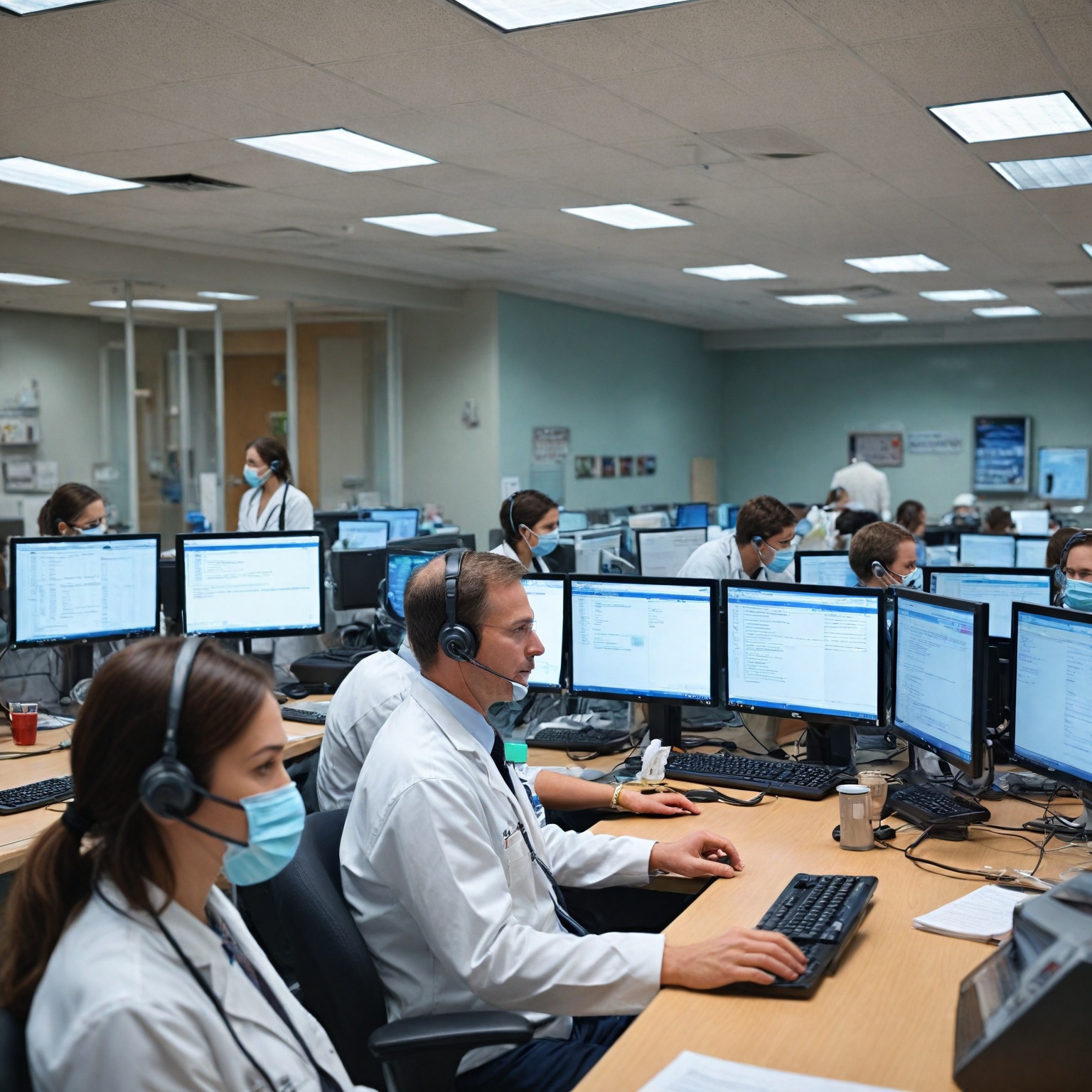
The spike in call volume reflected broader trends observed during the pandemic, where dental visits declined substantially, particularly in the United States, due to lockdowns and safety concerns. Call centers handling dental inquiries reported unprecedented levels of demand, sometimes receiving up to 249 calls per day, which challenged their capacity to provide timely responses. This influx underscored the importance of having trained dental professionals immediately available via helplines, as these services provided critical triage and reassurance to patients unsure about the urgency of their dental conditions.
Furthermore, the pandemic accelerated the adoption of teledentistry practices, enabling healthcare providers to resolve some patient issues without the need for in-person visits, thereby reducing the burden on emergency and urgent care services. Managing these volume spikes with a human-centered approach has been shown to improve operational efficiency and patient experience during such crisis periods.
Causes of the Surge in Call Volume
The surge in call volume to dental helplines can be attributed to several interrelated factors. Seasonal fluctuations play a significant role, as certain times of the year, such as August, see an increase in dental appointments when people schedule check-ups before the start of the school year, leading to more inquiries and calls to dental practices. Additionally, unexpected events like service disruptions or technical issues can generate spikes in call volume, as patients seek assistance or updates on ongoing problems.
The COVID-19 pandemic has been a major contributor to the increased call volume. Many adults lost dental insurance during the pandemic, with 65% of those affected reporting oral symptoms related to dental diseases. This, combined with concerns about virus exposure and cost, caused over 11% of adults to delay dental care, resulting in a backlog of unmet needs and increased demand for teleconsultations and helpline support. The pandemic also led to a 4.6%-point reduction in dental visits from 2019 to 2020, further intensifying the need for remote dental advice and emergency services.
Structural barriers and socioeconomic factors also drive call volume increases. Adults enrolled in traditional Medicare plans often pay 79% of dental care costs out-of-pocket, leading many seniors to delay or avoid necessary care due to financial constraints. Vulnerable populations, including those with mental and physical disabilities, face additional challenges in accessing dental care, increasing reliance on helpline services for support and guidance.
Finally, outreach efforts and service enhancements, such as the introduction of teledentistry and patient referral incentives, may influence call volume. The adoption of teleconsultations has allowed some patient concerns to be resolved without in-person visits, though it also increases initial contact numbers. Incentive programs encouraging patient referrals can boost patient engagement, which may translate into higher call volumes as new and existing patients seek assistance or schedule appointments.
Together, these factors have contributed to the notable increase in calls to dental helplines, underscoring the complex interplay of seasonal demand, pandemic-related disruptions, socioeconomic challenges, and evolving service models.
Charity’s Response to the Surge
In response to the significant increase in calls to the dental helpline, the Dental Outreach Relief Foundation and affiliated organizations implemented several key strategies to manage the surge effectively. Central to this effort has been the operation of the National Dental Helpline, staffed by three qualified dental nurses with diverse expertise, enabling immediate connection of callers to dental-trained professionals for timely advice and triage. This helpline proved essential during peak periods, such as when dental practices closed and urgent dental care hubs experienced overwhelming demand, with call volumes reaching up to 249 per day.
To maintain service quality during these high-volume intervals, the charity emphasized comprehensive training for helpline staff, ensuring associates were well-prepared to handle emotionally charged and complex calls efficiently from the outset. This training facilitated rapid escalation or resolution of cases, reducing the need for in-person emergency visits in many instances and enabling continued provision of preventive education and support.
The organization also leveraged partnerships with other dental charities and volunteer networks, including the Dental Lifeline Network’s extensive pool of over 15,000 volunteer dentists and 3,400 dental labs, to expand capacity and coverage. Collaborative efforts with dental schools and professional associations further bolstered the availability of skilled volunteers, ensuring sustained outreach to underserved populations during the surge.
Moreover, to prevent disruption in communication and minimize missed opportunities, the charity incorporated robust telecommunication solutions designed to handle increased call volumes securely and efficiently. These systems helped reduce call wait times and ensured that all patient inquiries received attention, thereby mitigating the potential negative impacts on patient satisfaction and referral losses.
Through these multifaceted responses, the charity not only managed the immediate challenges posed by the surge but also enhanced its long-term capacity to deliver accessible dental care to vulnerable communities worldwide.
Data and Analysis of Call Patterns
Dental practices often experience fluctuations in call volume, defined as the number of phone calls received within a specific period. For example, a dental office receiving 50 client calls per day would have a daily call volume of 50. High call volume occurs when the number of incoming calls exceeds the call center’s typical capacity by around 10% over a prolonged period, leading to challenges in handling all calls effectively.
A significant issue faced by dental practices during periods of high call volume is that potential patients frequently spend excessive time on hold or have their calls unanswered, resulting in lost opportunities as callers may abandon the call and seek services elsewhere. Implementing call recording and call tracking software can mitigate this problem by providing detailed Business Intelligence reports that identify peak calling times during the day, week, and year, allowing practices to optimize staffing and resource allocation accordingly. Additionally, call recording aids in gathering information on common patient concerns, such as unclear office hours or service details on websites, enabling targeted improvements in communication.
Effective telephone communication protocols are crucial in managing patient interactions during these calls. Standardized greetings that include the practice’s name, the name of the person answering, and an invitation for the caller to share their reason for calling help establish consistency and professionalism. Utilizing scripted responses for frequently addressed topics—such as appointment scheduling, cancellations, or emergencies—ensures that all patients receive accurate and uniform information, improving overall patient experience.
Moreover, call centers serving dental practices need to be prepared to handle urgent dental issues appropriately. Patients are advised to call when experiencing urgent dental problems or if unsure about the severity of their condition. Often, dental staff can triage the urgency of a case through phone consultations or by reviewing digital photos provided by the patient, potentially reducing unnecessary office visits while prioritizing urgent care.
Impact on Dental Health Services and Patient Outcomes
The surge in calls to dental helplines, such as those operated by charities like Dentaid, reflects significant challenges and opportunities within dental health services. These services provide critical support for vulnerable populations—including people experiencing homelessness, poverty, abuse, and disabilities—who often face barriers in accessing preventive and routine dental care. The increased demand highlights systemic issues such as inadequate dental coverage, provider shortages, and policy gaps that contribute to broad oral health disparities.
Effective dental helplines staffed by trained professionals play a vital role in managing appointments, addressing patient concerns, and offering timely assistance during peak times and outside normal office hours. This responsiveness helps alleviate patient anxiety and enhances engagement, which can improve adherence to treatment plans and follow-up care. Implementing patient-centered practices, such as post-visit follow-ups and referral incentive programs, further fosters trust and encourages ongoing utilization of dental services.
From a clinical perspective, the emphasis on early intervention and preventive care is crucial. Professional interventions at various stages of oral diseases—such as dental caries, periodontal disease, and malocclusion—can significantly influence patient outcomes by preventing disease progression and reducing the need for more invasive surgical treatments in the long term. Integration of dental professionals into broader health care teams supports holistic management of systemic health conditions linked to oral health.
The increased utilization of dental helplines also helps reduce inappropriate emergency department visits, which often provide only pain relief without addressing underlying dental issues. Since emergency rooms are typically not equipped for definitive dental care, encouraging patients to seek appropriate dental services via helplines can decrease unnecessary hospital visits and reduce the burden on medical personnel. This shift contributes to more efficient use of health resources and improved patient outcomes by facilitating timely and appropriate dental treatment.
Epidemiological Context
Oral diseases remain a significant public health concern worldwide, with their prevalence increasing in conjunction with urbanization and shifting living conditions. Key oral health issues of public health importance include orofacial clefts, noma—a severe gangrenous disease predominantly affecting children—and oro-dental trauma. The consumption of high amounts of sugar has been causally linked not only to dental caries but also to systemic conditions such as diabetes and obesity, underscoring the interconnectedness of oral and general health.
Socioeconomic factors play a critical role in the distribution and severity of oral diseases. There is a well-established and consistent association between lower socioeconomic status—measured by income, occupation, and educational attainment—and a higher prevalence and increased severity of oral health conditions. This disparity is reflected in barriers to accessing care, which have been exacerbated by recent challenges such as job losses and the resulting loss of dental insurance, contributing to unmet dental needs and a potential surge in oral diseases among adults.
Periodontal disease, a common chronic oral condition, is of particular concern due to its links with various systemic diseases. Healthy People 2030 prioritizes reducing moderate or severe periodontitis in adults aged 45 and older because of its associations with chronic illnesses including diabetes, adverse pregnancy outcomes, cardiovascular diseases, rheumatoid arthritis, Alzheimer’s disease, chronic obstructive pulmonary disease, and nonalcoholic fatty liver disease. Comprehensive reviews of the literature have reinforced these connections, demonstrating significant correlations between prevalent dental conditions and multiple chronic diseases.
The epidemiological landscape highlights the importance of targeted interventions and access to timely dental care to address these intertwined health challenges. Professional dental services aimed at preventing and treating major oral diseases such as dental caries, periodontal disease, and malocclusion are essential to mitigate their impact and improve overall health outcomes.
Public and Media Response
The surge in calls to dental helplines, especially during the COVID-19 pandemic, has drawn significant attention from both the public and media outlets. Labour Party data revealed that over 4.7 million people contacted the NHS 111 helpline for dental health concerns since 2019, with more than one million calls occurring during the peak of the pandemic in 2020/21. The daily average number of calls increased markedly from 2,024 in 2020/21 to 3,327 in 2023/24, highlighting growing public reliance on telephonic dental support services.
Media coverage has underscored the challenges dental practices face in managing these unprecedented call volumes. Reports have pointed to an alarming statistic that up to 30% of calls to dental practices go unanswered, underscoring systemic issues in call handling and appointment scheduling. This has spurred calls for improved infrastructure and patient support mechanisms to ensure timely assistance and reduce patient frustration.
Charitable organizations involved in dental health have also been featured prominently in media narratives for their proactive responses. The America’s Dentists Care Foundation (ADCF), for instance, has been recognized for addressing oral health needs among vulnerable populations nationwide, thereby helping to alleviate pressures on conventional dental services. Furthermore, community outreach programs
Future Outlook
The rising demand for dental helpline services is expected to continue as oral health awareness grows globally. Charities and organizations such as the Oral Health Foundation, which provide expert advice and support through free helplines, play a crucial role in addressing oral health needs and promoting good dental hygiene practices. This trend aligns with broader international efforts, including the adoption of the Global Oral Health Action Plan 2023–2030 (GOHAP), which aims to enhance oral health outcomes worldwide by integrating preventive education and accessible care into public health strategies.
Technological advancements and system scalability will be essential to accommodate increasing call volumes and improve service efficiency. Dental phone systems equipped with advanced features and robust security measures will enable helplines to manage growing patient records and appointment systems effectively, ensuring data protection and seamless communication. Furthermore, the experience of healthcare services during the COVID-19 pandemic demonstrated the need for helplines to handle sudden surges in demand with a human-centered approach, emphasizing empathetic support alongside operational efficiency.
Community-based initiatives, such as those by the College of Dental Medicine serving underserved populations, highlight the importance of combining direct care with educational outreach to improve oral health equity. Future strategies will likely focus on strengthening collaborations between global health bodies, local clinics, and charitable organizations to expand the reach and impact of dental helplines, particularly in underserved communities.
The content is provided by Jordan Fields, Lifelong Health Tips