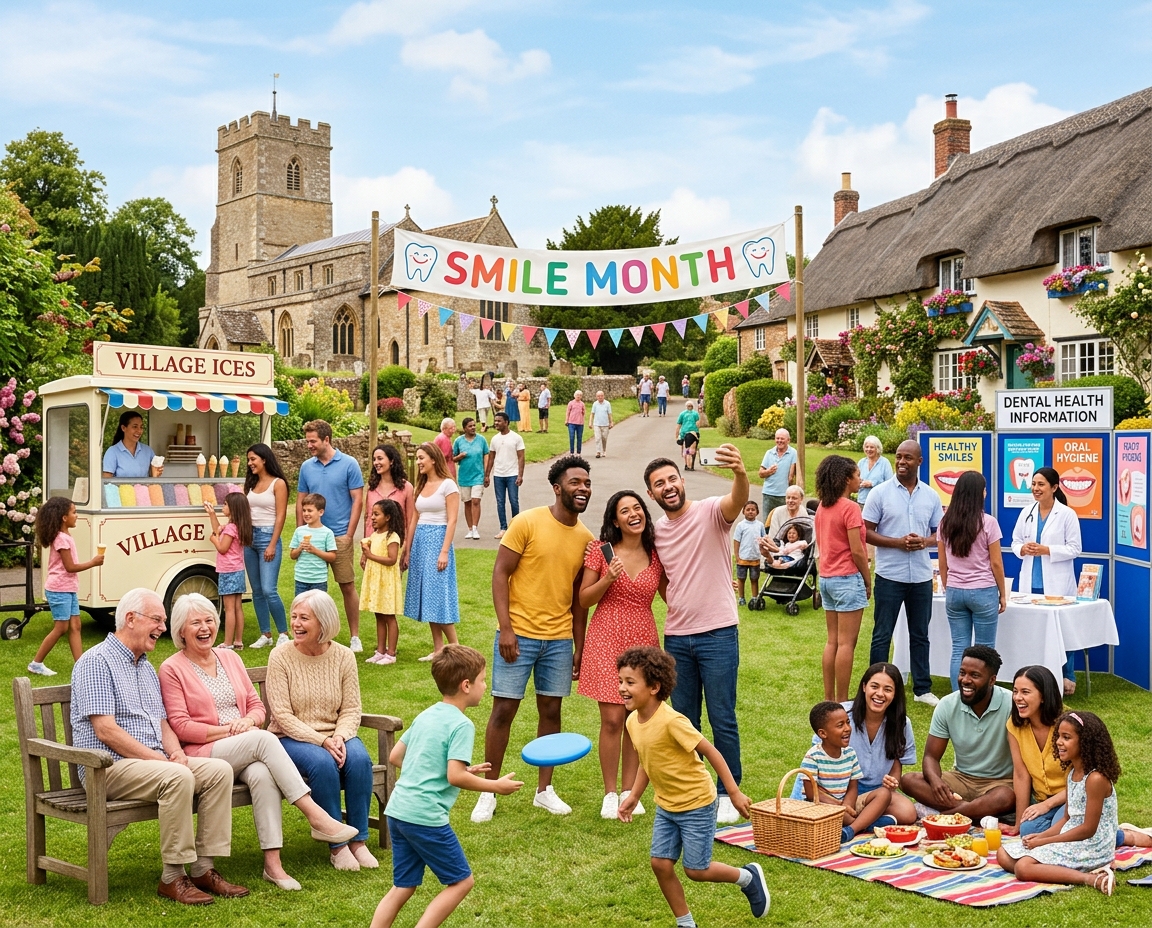
What is Smile Month and Why Should We Celebrate It?
Smile Month is an annual public-awareness campaign that highlights the importance of oral health, positive social connection, and the simple power of a smile. In the United Kingdom, National Smile Month is coordinated by the Oral Health Foundation and in 2026 ran from May 11 to June 11; the campaign combines practical oral-health advice with efforts to encourage people to share smiles and kind acts in their communities. Globally, related celebrations also include World Smile Day, observed each year on the first Friday of October, which focuses on celebrating smiles and promoting acts of kindness that spread goodwill and joy.
The Impact of Smiling on Mental Health
Smiling is more than a facial expression: it is a social and physiological signal that can influence mood, stress responses, and interpersonal connection. Reviews of the literature suggest that smiling and positive facial expressions are associated with better stress recovery, improvements in mood, and richer social interactions that support mental wellbeing. Experimental and observational studies indicate plausible pathways linking smiling to health benefits—through increased positive affect, strengthened social bonds, and stress buffering mechanisms—though the field continues to refine exactly how large and durable those effects are.
Laboratory research also shows that seeing and returning smiles can affect physiological markers such as heart rate and cardiovascular recovery following stressors, underscoring how social signals like smiles influence both emotion and bodily responses. While smiling is often helpful, some research cautions that the effects depend on context and authenticity—forced or strategically performed smiles do not always produce the same benefits as genuine expressions.
Simple Ways to Brighten Your Day and Others’ Lives
Small, deliberate actions can boost your mood and spread positivity. Begin with intentional smiling: when you greet someone, make eye contact and offer a genuine smile. Compliments, brief notes of thanks, and offering to listen to a colleague or neighbor are low-effort acts with outsized social returns. These behaviors not only lift others but also activate reward-related neural systems that support your own wellbeing.
Other practical steps include reaching out by phone or message to a friend you haven’t spoken to in a while, volunteering for a local cause, or performing a small unanticipated kindness (holding a door, paying a compliment). Everyday generosity and social engagement are reliably associated with reductions in loneliness and improvements in mood; the reciprocal nature of kindness often multiplies the original effect so that both giver and receiver gain.
Embrace Joy: Activities and Practices for a Happier Life
To cultivate lasting joy, combine short-term mood boosts with regular practices that build resilience. Practices to consider include a daily gratitude habit (writing three things you appreciate), short sessions of mindful breathing or meditation, and regular physical activity—each of which supports positive affect and stress resilience. Scheduling time for hobbies, creativity, or play reinforces a sense of meaning and pleasure that sustains wellbeing beyond transient moods.
Laughter and communal play are particularly powerful. Controlled studies and meta-analyses of laughter-based interventions and humor therapies suggest tangible reductions in anxiety and depressive symptoms for some participants, and they can complement other mental-health approaches. Incorporating moments of shared laughter—through comedy, games, or joyful interaction—creates positive social feedback loops that make smiling and connection more likely.
Reflecting on the Importance of Joy in Our Everyday Lives
Joy and the simple act of smiling matter because they connect inner experience to social life. A smile opens the door for conversation, strengthens trust, and signals approachability; over time those moments of connection form supportive networks that sustain mental and physical health. Celebrations like Smile Month and World Smile Day serve as reminders to attend to oral health, social kindness, and the small rituals that make daily life more humane.
As you consider how to participate, think holistically: care for your dental and physical health, practice small acts of kindness, and cultivate activities that reliably bring you pleasure and connection. Those combined practices make smiles more frequent and more authentic—benefitting you, the people around you, and the broader community. Whether you mark the occasion with an outreach to a neighbor, a donation to a local health initiative, or simply an intentional pause to smile and breathe, these small choices add up into a life that is brighter and more resilient.
The content is provided by Jordan Fields, Lifelong Health Tips