Summary
Are You Brushing Blind? Discover Why Most People Misunderstand Proper Teeth Cleaning addresses widespread misconceptions about oral hygiene practices and their impact on dental health. Despite the critical role of effective teeth cleaning in preventing common oral diseases such as cavities, gingivitis, and periodontitis, many individuals unknowingly adopt habits that may cause more harm than good. This article explores the biology of dental plaque, proper brushing techniques, and the importance of interdental cleaning, emphasizing evidence-based recommendations from dental professionals.
A central misconception tackled is the belief that brushing harder or longer automatically leads to cleaner teeth. In reality, excessive force can damage enamel and gum tissue, leading to sensitivity and gum recession, while insufficient brushing duration and neglect of interdental areas allow plaque to accumulate and mature into harmful biofilms. The article highlights correct brushing methods, including gentle circular motions with a soft-bristled brush for two minutes twice daily, complemented by daily flossing or interdental aids to remove plaque from spaces unreachable by toothbrushes.
Additionally, the article examines the relative effectiveness of various cleaning tools, such as manual versus powered toothbrushes, interdental brushes, floss, and oral irrigators, outlining their roles in maintaining oral health. It also discusses the limitations of over-the-counter whitening toothpastes compared to professional treatments, dispelling myths about quick cosmetic fixes. Proper selection and maintenance of toothbrushes and toothpaste, tailored to individual needs, are presented as essential components of successful oral hygiene routines.
Given the persistent misunderstandings and their consequences—including increased risk of dental diseases and potential systemic health effects—the article underscores the vital role of dental professionals in education and personalized care. Regular dental visits enable early detection, professional cleaning of tartar, and guidance on effective techniques, helping patients correct misconceptions and improve long-term dental outcomes.
Common Misconceptions About Teeth Cleaning
Many widely held beliefs about teeth cleaning are, in fact, misconceptions that can negatively affect oral health. These myths have been perpetuated across generations, through social media, and even by well-meaning individuals, leading to practices that may harm rather than help dental hygiene.
One of the most persistent misconceptions is that brushing harder results in cleaner teeth. This belief is based on the assumption that more force removes more plaque, similar to scrubbing a dirty dish. However, teeth require gentle and consistent care rather than aggressive brushing. Excessive pressure can damage tooth enamel and irritate gum tissue, potentially causing gum recession and other issues. Dental professionals recommend using a soft-bristled toothbrush with gentle, circular motions for about two minutes twice daily to effectively clean teeth without causing harm.
Another common error is neglecting flossing or interdental cleaning. Toothbrushes cannot reach the tight spaces between teeth, where plaque and food debris often accumulate. Skipping this step leaves these areas vulnerable to decay and gum disease. Proper flossing complements brushing by removing plaque from interdental surfaces, which is critical for maintaining overall oral health.
The idea that whitening toothpaste can substitute for professional bleaching is also misleading. While whitening toothpastes can remove surface stains, they cannot achieve the same results as professional treatments and sometimes cause temporary sensitivity. Misuse of over-the-counter whitening products or reliance on outdated methods contributes to this misconception. Consulting a dentist for tailored whitening advice ensures safety and effectiveness, especially for individuals with existing dental work or sensitivity issues.
Additionally, many people do not brush for the recommended duration. On average, brushing lasts only 45 to 70 seconds, which is insufficient to cover all tooth surfaces adequately. This incomplete coverage allows plaque to build up, especially in frequently missed areas. Using a timer to ensure the full two minutes of brushing is advised, and electric toothbrushes may provide a gentler and more thorough clean than manual brushes.
Finally, research indicates that simply increasing the effort or time spent brushing does not necessarily lead to better plaque removal without proper technique. Individuals often neglect inner tooth surfaces and areas adjacent to the gingival margins. Professional instruction and reinforcement on effective brushing techniques are essential to achieve optimal oral hygiene results.
Importance of Proper Teeth Cleaning
Proper teeth cleaning is fundamental to maintaining good oral hygiene and overall health. Effective removal of dental plaque through regular brushing and interdental cleaning helps prevent common oral diseases such as cavities, gingivitis, and periodontitis, which are widespread chronic inflammatory conditions affecting more than half of adults globally. Plaque that is not adequately removed can harden into tartar, a mineralized deposit that only dental professionals can eliminate, increasing the risk of gum inflammation and disease progression.
Brushing twice daily with a soft-bristled toothbrush and fluoride toothpaste, complemented by daily flossing or use of interdental aids, is the regimen endorsed by dental experts worldwide. However, many individuals misunderstand proper techniques, leading to insufficient cleaning or even damage. Excessive brushing pressure, particularly beyond 200 grams, can wear down enamel and increase tooth sensitivity and decay risk. Furthermore, using contaminated toothbrushes without regular disinfection may cause reinfection and compromise oral health.
Specialized toothbrushes, such as ultra-soft bristles for sensitive teeth and orthodontic brushes designed to clean around braces, enhance cleaning effectiveness and comfort. Additionally, selecting appropriate toothpaste, such as children’s formulations with lower fluoride levels, encourages good habits while safeguarding developing teeth.
Beyond preventing oral diseases, maintaining proper oral hygiene contributes to fresher breath, a cleaner mouth, and may reduce systemic health risks associated with periodontal inflammation. Continuous education and personalized advice from dental professionals are crucial in correcting misconceptions and improving oral hygiene practices for better long-term dental health outcomes.
Biological Basis of Plaque Formation and Removal
Dental plaque is a resilient biofilm composed of a highly organized community of bacteria that adhere to the tooth surface, making it difficult to remove through simple brushing or rinsing alone. The formation of plaque begins with bacterial adhesion to the tooth’s acquired pellicle, a protein film covering the enamel. This initial colonization is followed by the accumulation and growth of bacterial communities and their metabolic byproducts, leading to the development of a structured biofilm. Dietary sugars, particularly sucrose, accelerate this process by increasing both the rate of plaque formation and its thickness.
The biofilm nature of dental plaque provides bacteria with enhanced protection against the host’s immune defenses and antimicrobial agents, allowing the bacteria to thrive and mature into complex pathogenic communities if not removed regularly. As the biofilm matures, it can contribute to oral diseases such as dental caries, gingivitis, and periodontitis. In periodontitis, plaque bacteria release enzymes that degrade bone tissue, while osteoclasts further break down bone to limit infection spread, resulting in potential tooth loss if untreated.
Effective removal of plaque requires a combination of mechanical and chemical strategies. Mechanical disruption through toothbrushing and interdental cleaning is critical, as biofilm removal reduces bacterial load and prevents maturation of pathogenic complexes. It is recommended to brush teeth twice daily for at least two minutes using fluoride-containing dentifrice, which may also include antimicrobial compounds to aid plaque control. Proper brushing technique involves vertical strokes from the gum line to the cutting edge to avoid pushing plaque into interdental spaces.
Interdental cleaning plays a vital role since toothbrush bristles cannot effectively reach between teeth where plaque and food debris accumulate. Dental floss is commonly recommended for tight embrasure spaces, while other interdental aids such as small brushes, wooden or plastic picks, and oral irrigators (water flossers) can be used depending on the size of the interdental spaces and gum contour. Regular and thorough disruption of the plaque biofilm through these methods is essential for maintaining oral health and preventing the progression of plaque-related diseases.
Correct Brushing Methods
Proper brushing technique is essential for effective plaque removal and maintaining oral health. Contrary to popular belief, applying excessive pressure or scrubbing aggressively does not result in cleaner teeth; instead, it can damage gums and tooth enamel. The recommended approach involves using a soft-bristled toothbrush with gentle, circular motions that massage the gumline and clean all tooth surfaces thoroughly.
Brushing should last for two full minutes twice daily to ensure adequate coverage. Many people fall short of this duration, typically brushing for only 45 to 70 seconds, which leads to missed areas and persistent plaque buildup. Using a timer can help maintain the recommended brushing time. Additionally, brushing movements should be directed vertically from the gum to the biting edge to prevent pushing plaque into interdental spaces.
Several specialized brushing techniques exist, each targeting different aspects of oral hygiene. The widely recommended Bass technique involves positioning the toothbrush bristles at a 45-degree angle to the gumline and performing 15 to 20 gentle circular strokes to clean below the gum margin effectively. The Stillman technique focuses on stimulating the gums and is beneficial for managing gum recession, while the Charters technique is suited for individuals with braces, implants, or gum issues. Consulting a dental hygienist can help tailor brushing methods to individual needs and improve technique.
Brushing force also plays a significant role in oral health. Studies indicate that males often apply higher forces than females, with some brushing at forces greater than 3 newtons, which correlates with increased risk of abrasion and gingival recession. Proper brushing avoids excessive force, relying instead on the mechanical action of bristles to dislodge plaque effectively.
Electric toothbrushes have been shown to reduce plaque more effectively than manual toothbrushes over both short- and long-term use, while also being gentler on gums. Incorporating interdental cleaning before brushing, using tools like floss or oral irrigators, further enhances plaque removal and promotes gum health.
Tools and Materials for Effective Teeth Cleaning
Effective teeth cleaning relies on a combination of properly selected tools and materials designed to maintain oral hygiene while protecting tooth enamel and gums. The primary tools include toothbrushes, toothpaste, and interdental cleaning devices, each serving specific functions to ensure comprehensive dental care.
Interdental Cleaning Tools
Cleaning between teeth is essential for preventing plaque accumulation in areas inaccessible to toothbrushes. Traditional dental floss remains a common choice; however, interdental brushes (e.g., TePe brushes) are particularly effective where gaps are wider or around dental appliances such as bridges, implants, and braces. These small, color-coded brushes come in various sizes to fit different interdental spaces and gently remove plaque and debris.
Daily interdental cleaning, whether by floss or interdental brushes, is critical for maintaining healthy gums and preventing gum disease. Dental professionals can recommend the most suitable tools and demonstrate proper techniques tailored to individual needs.
Together, these tools and materials form the foundation of effective teeth cleaning, promoting long-term oral health when used properly and consistently.
Toothbrushes
Toothbrushes are the fundamental instrument for removing plaque and debris from the surfaces of teeth and gums. Soft-bristled brushes are generally recommended as they are gentle on enamel and gum tissue, reducing the risk of damage caused by hard bristles. Brush head size should be chosen based on comfort and accessibility; smaller heads facilitate cleaning hard-to-reach areas such as back molars, while larger heads cover more surface but may be less maneuverable. Special orthodontic toothbrushes or electric brush heads can assist in cleaning around braces and orthodontic appliances more effectively.
Manual toothbrushes remain effective when used correctly, including holding the brush at a 45-degree angle to the gum line and employing gentle, circular motions across all tooth surfaces. However, powered toothbrushes have been shown to provide additional benefits, achieving moderate reductions in plaque and gingival bleeding. Studies indicate powered brushes, particularly those with rotation-oscillation action, can reduce plaque by up to 21% after three months of use compared to manual brushes. Many electric models also incorporate timers and pressure sensors to prevent over-brushing and gum damage.
To maintain optimal hygiene, toothbrushes should be replaced every three to four months or sooner if bristles become frayed, as worn brushes lose cleaning efficacy and may harbor bacteria.
Toothpaste
Toothpaste complements mechanical cleaning by providing active and inactive ingredients that protect teeth and enhance cleaning. The key active ingredient in most toothpastes is fluoride, commonly found as sodium fluoride, stannous fluoride, or sodium monofluorophosphate. Fluoride strengthens tooth enamel, making it more resistant to acid attacks from oral bacteria and helping prevent dental caries.
Abrasives such as hydrated silica, calcium carbonate, and baking soda help remove plaque and surface stains without scratching enamel. While abrasives do not reduce cavity risk directly, they play a vital role in maintaining cleanliness and aesthetics. Other common ingredients include humectants like glycerin and sorbitol to retain moisture and prevent toothpaste from drying out, thickeners to stabilize texture, detergents such as sodium lauryl sulfate to produce foaming action, and flavoring agents to improve taste.
Specialized toothpastes exist for different needs, including formulations for children with lower fluoride concentrations for safety, and whitening toothpastes that reduce extrinsic stains but may weaken enamel if overused. It is important to select toothpastes approved by dental associations to ensure safety and efficacy.
Comparative Effectiveness of Cleaning Technologies
Advancements in dental cleaning technologies have introduced various methods and devices aimed at improving oral hygiene beyond traditional manual toothbrushing. Among these, powered toothbrushes, particularly those with oscillating-rotating or sonic actions, have been extensively studied for their effectiveness in plaque and gingivitis reduction.
Powered toothbrushes have demonstrated superior performance compared to manual brushes in removing plaque and reducing gingival inflammation. Systematic reviews and meta-analyses indicate that powered brushes achieve moderate but significant reductions in plaque levels and gingival bleeding scores, with an 11% to 21% reduction in plaque observed after three months of use. The oscillating-rotating mode of powered toothbrushes, where the brush head rotates alternately, has been specifically noted for its enhanced cleaning efficacy. Clinical comparisons between oscillating-rotating and sonic brushes also suggest differences in plaque and gingivitis reduction, although both outperform manual brushing techniques.
In addition to brushing technologies, interdental cleaning methods play a crucial role in maintaining oral health by targeting plaque and food debris in areas inaccessible to toothbrush bristles. Dental floss and interdental brushes are commonly used tools; however, interdental brushes and oral irrigators have been found more effective than floss, particularly for individuals with limited dexterity or compliance. Oral irrigators also show promise in reducing gingival inflammation despite minimal impact on plaque levels. These interdental aids are especially beneficial around dental implants and orthodontic appliances, where plaque control is more challenging.
It is important to note that maintaining good oral hygiene involves more than the choice of cleaning device; proper technique and regularity are essential. Cleaning tools become counterproductive if contaminated, as reinfection may occur, emphasizing the need for regular disinfection of toothbrushes to prevent harm rather than benefit.
Role of Dental Professionals in Oral Hygiene
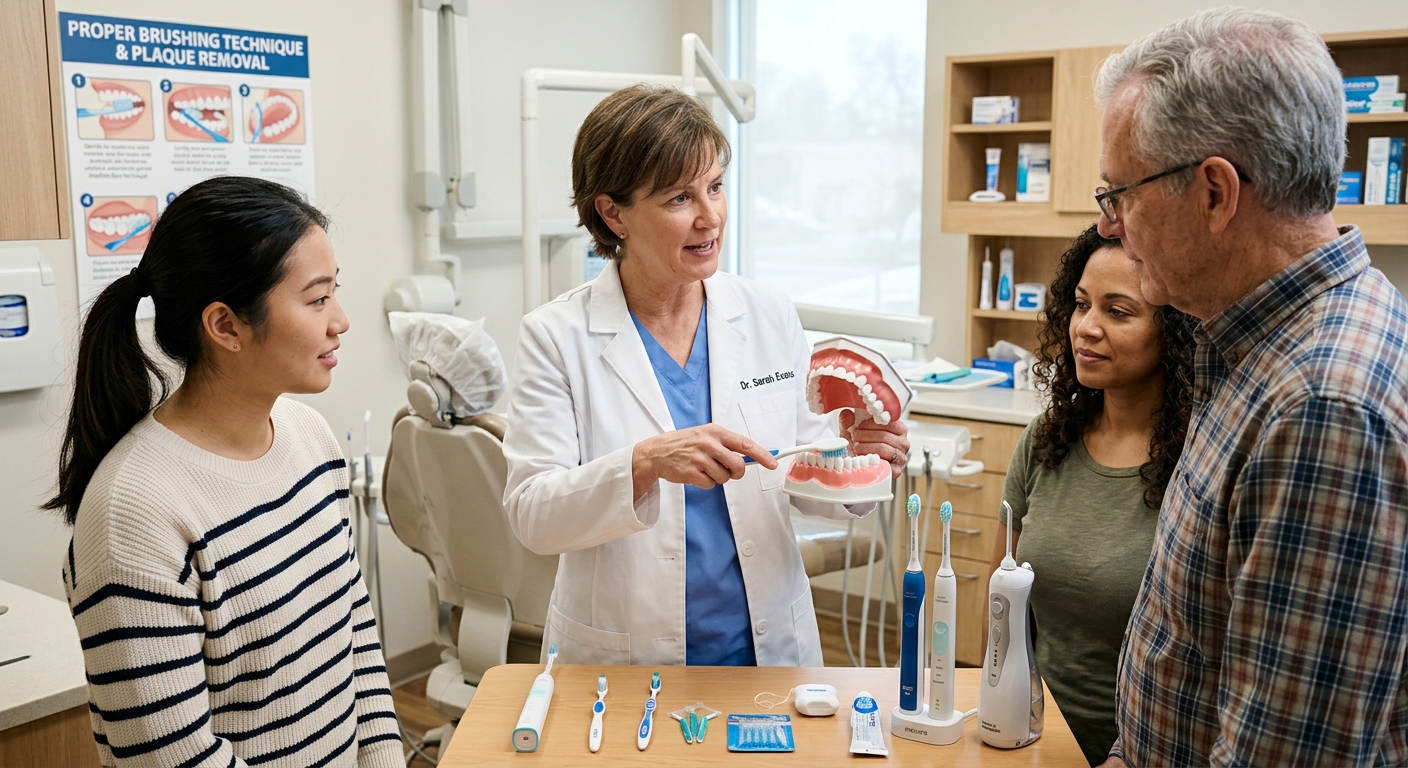
Dental professionals play a crucial role in promoting and maintaining proper oral hygiene by providing clear explanations of effective techniques and personalized advice tailored to individual dental needs. They help dispel common misconceptions surrounding oral care, ensuring patients receive accurate and up-to-date information. Regular visits to the dentist, typically recommended on a semi-annual basis, are essential for maintaining optimal oral health. These appointments allow dental experts to monitor oral conditions, perform professional cleanings, and offer guidance on best practices.
Professional dental cleanings are particularly important because they remove plaque and tartar that cannot be eliminated through routine brushing and flossing alone. Advanced cleaning techniques, such as ultrasonic scaling, utilize high-frequency sound waves to precisely remove buildup, while polishing smooths tooth surfaces and removes stains, enhancing overall dental cleanliness and comfort. Additionally, dental professionals often recommend using soft-bristled toothbrushes, which
Impact of Poor Teeth Cleaning Habits
Poor teeth cleaning habits can lead to significant oral health issues and have broader implications for overall health. Inadequate oral hygiene allows plaque, a biofilm of bacteria that adheres to tooth surfaces, to accumulate and harden into tartar, a mineralized deposit that can only be removed by dental professionals. This build-up irritates the gums, causing inflammation known as gingivitis—the early stage of gum disease—which manifests as swelling and bleeding during brushing or flossing. If left untreated, gingivitis can progress to more severe periodontal disease, increasing the risk of tooth loss and systemic health problems.
The accumulation of plaque and tartar also contributes to dental cavities by fostering bacteria that produce acids, which erode tooth enamel. Moreover, these deposits can trap staining particles, resulting in a dull or discolored smile. The mouth hosts various bacteria, some capable of causing infections if they penetrate gum tissue or reach the inner pulp of teeth, leading to pain, swelling, and abscesses that may have systemic consequences if untreated.
Poor oral hygiene not only affects the mouth but can also elevate risks for other serious health conditions. Moderate to advanced gum disease is linked to an increased likelihood of heart disease and is more common in individuals with diabetes, as bacteria can enter the bloodstream from infected gum tissue and spread to other parts of the body. Maintaining consistent and proper oral care routines—such as brushing twice daily with fluoride toothpaste, flossing daily, and regular dental check-ups—is crucial to reduce inflammation, control plaque, and protect both oral and overall health. Neglecting these habits can lead to chronic issues that compromise quality of life and may require more intensive dental or medical interventions.
Tips for Effective Teeth Cleaning
Effective teeth cleaning involves more than just brushing; it requires the right tools, proper technique, and consistent habits to maintain oral health and prevent dental problems. Using a soft-bristled toothbrush combined with gentle, circular motions is key to cleaning teeth effectively without causing damage to enamel or gums. Brushing should be done for two full minutes, twice daily, making sure to reach all surfaces of the teeth, including the front, inner, and chewing surfaces. Excessive pressure or aggressive scrubbing can harm the tooth enamel and gum tissue, potentially leading to gum recession, so gentle brushing is recommended over forceful efforts.
For young children, using toothpaste with lower fluoride levels is important to protect developing teeth while ensuring safety if swallowed. Only a pea-sized amount of toothpaste should be used for children, and selecting a flavor they enjoy can encourage regular brushing habits. Additionally, toothbrushes should be replaced every three to four months or sooner if the bristles become frayed, as worn brushes lose cleaning effectiveness and may harbor bacteria.
Interdental cleaning, which targets the spaces between teeth that a toothbrush cannot reach, is an essential part of oral hygiene. Removing plaque and debris from these proximal surfaces helps reduce the risk of gum disease and tooth decay. Tools such as dental floss, interdental brushes, wooden aids, and oral irrigators (water flossers) are commonly used to clean these areas effectively. Proper interdental cleaning involves first cleaning the interdental spaces before brushing the tooth surfaces with vertical motions, from the gum line toward the cutting edge, to avoid pushing plaque back between the teeth.
Patients with sensitive teeth, braces, or gum disease concerns should consider using ultra-soft or specially designed orthodontic toothbrushes and apply gentle brushing pressure to prevent discomfort while maintaining oral hygiene. Finally, regular dental check-ups and professional cleanings every six months—or sooner if warning signs like tooth pain, bleeding gums, or chronic bad breath develop—are crucial for tailored advice and treatment to maintain optimal oral health.
By adopting these tips—using the right toothbrush and toothpaste, mastering proper brushing and interdental cleaning techniques, and maintaining regular dental visits—individuals can protect their smiles and support overall health.
The content is provided by Sierra Knightley, Lifelong Health Tips