Summary of Yale Study Findings
The Yale Study reveals that almost half of seniors aged 65 and older show improvement in cognitive and physical functions, challenging the belief that aging leads to decline. Conducted with data from over 11,000 participants in the Health and Retirement Study, it identified a correlation between positive self-perceptions of aging and better health outcomes, including a lifespan extension of 7.5 years. This suggests that attitudes towards aging significantly influence health, promoting a need for public health initiatives that focus on positive aging perceptions rather than decline.
Understanding the Impact of Aging Attitudes
Research highlights a common belief that aging leads to continual decline, yet the Yale study counters this notion by demonstrating that almost half of older adults improve over time. Key to these outcomes is the positive mindset regarding aging, where individuals with favorable views tend to live longer and healthier lives. This perspective influences not only personal health trajectories but also broader societal beliefs about aging, emphasizing the importance of cultivating positive aging attitudes.
Study Findings on Cognitive and Physical Improvements
The Yale study highlights that nearly half of seniors experience measurable improvements in cognitive and physical functions, measured over up to 12 years. Specifically, a significant number showed enduring gains in cognitive abilities and physical mobility. This contradicts stereotypes of aging and emphasizes how positive self-perceptions correlate with better health outcomes, which suggests that mindset should be a focal point for health interventions in older populations.
Mechanisms Supporting Senior Thriving
Key mechanisms driving thriving in older adults include a positive psychological outlook and social engagement. Individuals with greater resilience tend to experience better health outcomes, illustrating that aging is influenced by various psychosocial factors. Moreover, improvements in physical activity and supportive environments enhance quality of life, revealing that thriving is shaped by individual, social, and environmental factors.
Role of Community and Social Interaction
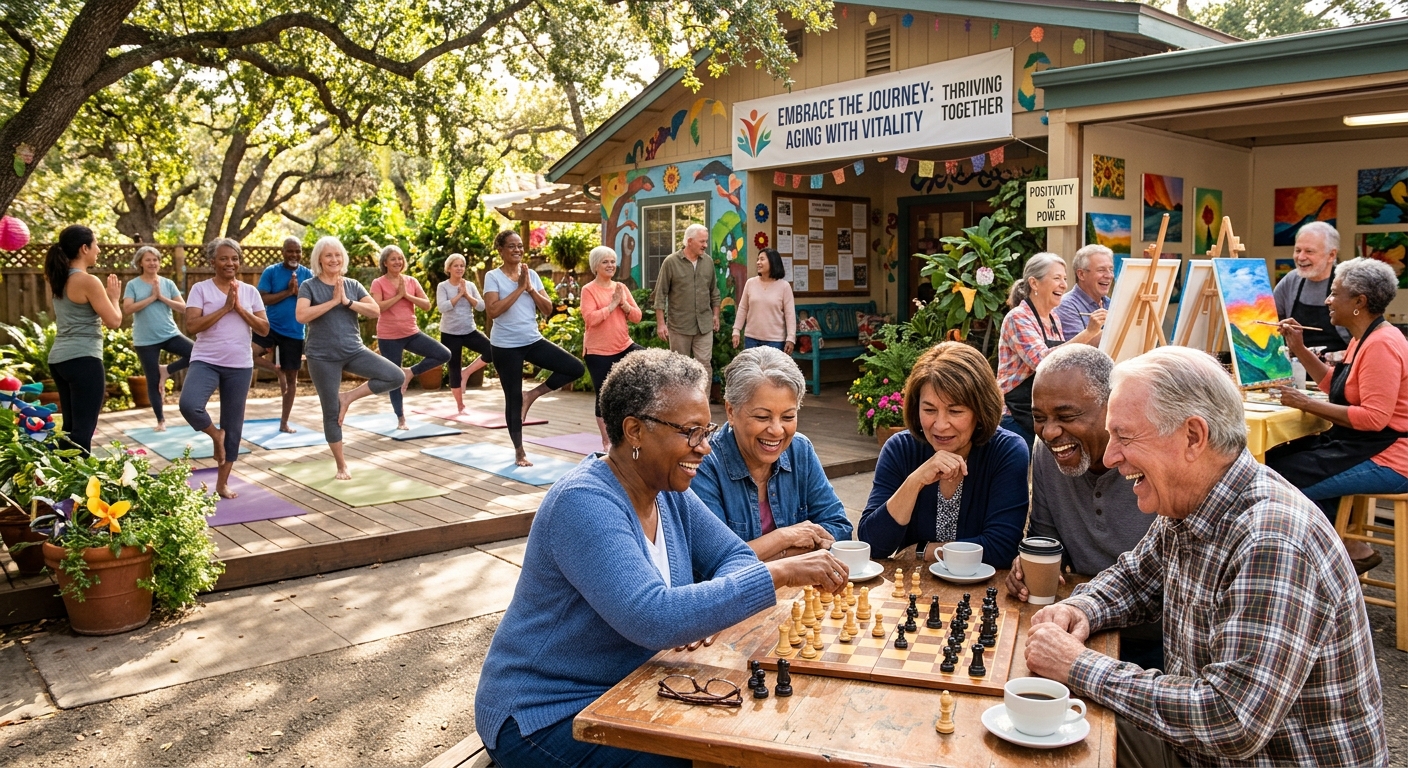
Social and community factors play a crucial role in promoting health and well-being among seniors. Research has shown that combating negative age stereotypes and fostering social connections can lead to improved health outcomes. Engaging in community programs not only reduces isolation but enhances emotional and psychological well-being, emphasizing the importance of a supportive social network as a key component of successful aging.
Implications for Aging Policies
The Yale study’s findings suggest the need for a transformative approach to aging that integrates insights from various fields. Recognizing that improvement in later life is doable calls for shifts in public health policies and individual care strategies to support proactive aging mindsets. Healthcare providers should encourage active lifestyles that enhance seniors’ overall well-being, indicating that a focus on health promotion is essential in rethinking aging narratives.
Considerations for the Research Limitations
While the findings of the Yale study offer valuable insights, limitations must be acknowledged. The stringent criteria for defining “thriving” and reliance on self-reported data may restrict the study’s applicability to the broader aging population. Additionally, cultural stereotypes surrounding aging could skew both participants’ self-perception and the results, highlighting the complexity of understanding health in older adults and the need for further research in this area.
The content is provided by Avery Redwood, Lifelong Health Tips