Summary
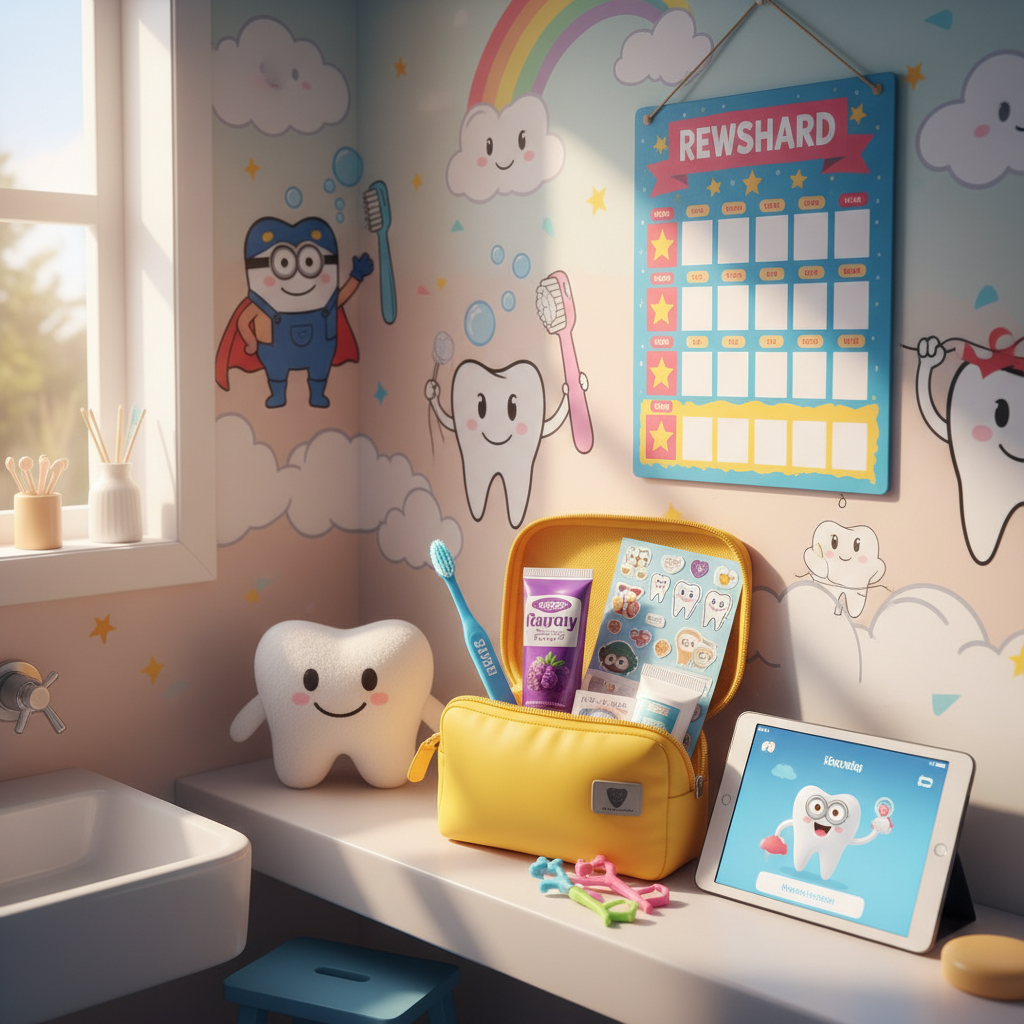
Exciting Dental Packs for Kids: Fun Brushing Tools for Bright Smiles are specially designed oral hygiene kits aimed at promoting consistent and effective dental care habits among children. These packs typically include child-friendly items such as soft-bristle toothbrushes, flavored toothpaste, flossers, dental wax, and motivational accessories like stickers or reward charts, often organized in colorful travel pouches to engage young users. By combining essential dental tools with interactive and personalized elements—such as character-themed brushes, customizable kits, and digital apps—these packs seek to transform oral hygiene from a routine chore into an enjoyable and educational experience.
The significance of these dental packs lies in their potential to establish lifelong healthy habits by aligning with children’s developmental stages and psychological motivations. Research indicates that personalization, positive reinforcement, and sensory engagement increase children’s willingness to brush and floss regularly, thereby reducing the prevalence of dental caries and improving oral health outcomes. Educational components embedded in these kits, including storytelling, games, and visual aids, help children understand the importance of dental care while reducing anxiety associated with dental visits.
Technological innovations have further enhanced these dental packs, with some incorporating electric toothbrushes featuring timers, lights, and interactive feedback, as well as smartphone applications that provide real-time guidance and rewards for proper brushing techniques. These advances have garnered support from professional organizations such as the American Academy of Pediatric Dentistry and the American Dental Association, which recognize the value of engaging, evidence-based tools in pediatric oral health promotion. Nevertheless, challenges remain regarding environmental sustainability, accessibility, and equitable education, underscoring the need for continued development of affordable, culturally appropriate, and eco-friendly dental care solutions.
Overall, exciting dental packs for kids represent a multifaceted approach to improving pediatric oral hygiene by integrating practical dental supplies, motivational strategies, and digital support. Their growing popularity reflects both the dental community’s emphasis on preventive care and the increasing recognition of children’s unique psychological and developmental needs in establishing bright, healthy smiles from an early age.
Overview of Dental Packs for Children
Dental packs for children are thoughtfully curated kits designed to promote and maintain good oral hygiene habits throughout the school year and beyond. These packs typically include essential items such as a soft-bristle toothbrush, travel-size toothpaste, flavored floss or floss holders, dental wax, extra rubber bands for braces, tissues, mouthwash, and a travel pouch to keep everything organized. The use of soft-bristle toothbrushes is especially recommended for younger children as they provide gentle cleaning while minimizing gum irritation.
Personalization plays a significant role in encouraging consistent dental care among kids. Many dental packs offer the option to include personalized toothbrushes, sometimes featuring dental practice logos, which help reinforce brand recognition while motivating children to take ownership of their oral health routines. Including flossers, especially pre-threaded floss picks for younger children, makes flossing easier to adopt and maintain, fostering healthy gum care habits from an early age.
In addition to physical tools, effective dental packs often incorporate educational and motivational elements. Interactive demonstrations using dental models or puppets, engaging storytelling featuring tooth-care characters, and visual aids help children understand the importance of brushing and flossing correctly. Small rewards, such as colorful stickers or extra bedtime stories, have proven effective in motivating children to maintain their dental hygiene routines consistently.
Moreover, some advanced dental kits integrate play-based elements designed to reduce dental anxiety and increase engagement. These may include sensory toys, fidget items, or interactive dental models with educational audio features and visual aids like built-in UV lights to demonstrate plaque accumulation, thereby making dental care both fun and informative for children.
Age Groups and Developmental Considerations
Understanding the developmental stages of children is essential for promoting effective oral hygiene habits and tailoring dental care tools accordingly. Developmental milestones not only influence a child’s physical growth but also impact their ability to perform daily oral care routines independently. From infancy, even before the eruption of the first baby tooth, primary teeth begin forming in the jaw, marking the beginning of crucial dental development phases that will set the foundation for lifelong oral health.
In preschool-aged children, particularly those around 3 and 4 years old, caregiver-focused interventions have proven significantly effective in improving oral hygiene status (OHS). Studies have shown that children in these younger age groups demonstrate notable improvements in oral hygiene index-simplified (OHI-S) scores when their primary caregivers, often mothers, receive proper oral hygiene instruction. However, the same interventions may have limited efficacy for older preschoolers, such as 5-year-olds, likely due to age-specific developmental factors affecting compliance and skill acquisition.
To support these developmental needs, dental care kits designed for children often incorporate age-appropriate tools that encourage engagement and independence. For example, kits typically include soft-bristle toothbrushes tailored to smaller mouths, travel-size toothpaste, flavored floss or floss holders, and accessories like dental wax and mouthwash to accommodate diverse dental care requirements. Customizable features, such as personalized toothbrushes and modular decorative bits, help maintain children’s interest over time by adapting to their changing preferences, thereby fostering consistent brushing habits.
By aligning dental care products and educational efforts with the unique developmental stages of children, caregivers and dental professionals can better promote healthy oral hygiene behaviors, ensuring a strong foundation for bright, healthy smiles throughout childhood and beyond.
Design Features and Interactive Elements
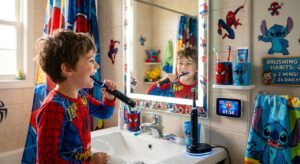
Dental packs for children are thoughtfully designed to make oral hygiene engaging, enjoyable, and educational. Many kits include toothbrushes featuring popular cartoon characters such as Batman or the Minions, which help transform brushing into a fun adventure and encourage children to take ownership of their dental care routine. Some packs also feature personalized toothbrushes and zipper kit bags that can be customized with dental practice logos or assorted themes, offering a tailored experience for both children and providers.
Interactive elements are a key component of these dental packs. Advanced models of dental anatomy toys incorporate magnetic parts that allow children to safely explore different dental procedures, while touch-sensitive areas trigger audio explanations to accommodate various learning styles, including visual and auditory learners. Additionally, some toothbrushes utilize built-in UV lights to visually demonstrate plaque accumulation, reinforcing the importance of thorough brushing.
Electric toothbrushes designed for children often include features such as lights, sounds, and timers to make brushing more exciting and to promote proper technique. Brands like Oral-B Kids and Philips Sonicare have developed models that react to correct brushing pressure or duration by playing sounds or lighting up, which motivates kids to brush effectively. Similarly, the Autobrush device incorporates colorful designs, built-in music, lights, and a semi-hands-free function that ensures a consistent clean, particularly benefiting children with limited manual dexterity or those with orthodontic appliances.
Digital integration is also increasingly common. Smartphone apps complement these packs by offering real-time feedback on brushing movements through camera tracking, interactive tutorials, quizzes, and reward systems that encourage adherence to oral hygiene routines. Such applications empower both children and parents with comprehensive educational content and motivation tools.
Physical activities and positive reinforcement are frequently included to enhance engagement. Obstacle courses simulating dental care tasks and interactive workshops with games and quizzes make learning active and memorable. Reward systems like sticker charts or small toys provide positive reinforcement, motivating children to maintain consistent oral hygiene habits and look forward to their dental care routine.
Psychological and Developmental Mechanisms Behind Effectiveness
The success of exciting dental packs for children hinges on understanding the psychological and developmental stages that influence their behavior toward oral hygiene. Early childhood marks a critical period where cognitive and emotional development directly affects how children respond to dental care routines and communication with dental professionals. By aligning dental interventions with these developmental milestones, caregivers can foster a positive, lifelong attitude toward oral health.
Positive reinforcement is a central mechanism driving children’s motivation to maintain good dental habits. Simple rewards such as colorful stickers, small toys, or extra bedtime stories serve as effective incentives that encourage consistent brushing and make oral care a fun experience rather than a chore. Praising children for their efforts further strengthens their confidence and willingness to engage in proper dental hygiene.
Allowing children autonomy in selecting their toothbrushes or dental products enhances their sense of ownership over their oral care routines. This empowerment transforms them from passive participants into active creators of their experience, which naturally increases engagement and promotes more consistent brushing habits. Additionally, incorporating interactive features like lights, sounds, and timers in toothbrushes appeals to children’s sensory interests, making brushing enjoyable and reinforcing proper technique. Character-themed designs and child-friendly toothpaste options further capture their attention and personalize the dental care experience.
Distraction techniques also play a vital role by diverting a child’s focus from potentially uncomfortable dental procedures to engaging stimuli such as storytelling or multimedia devices. This helps reduce anxiety and resistance, thereby supporting successful treatment outcomes. Integrating oral hygiene into daily rituals with fun activities like singing songs or telling stories strengthens positive associations with dental care from an early age.
Children’s Responses by Age and Developmental Stage
Understanding children’s responses to dental care varies significantly with their age and developmental stage, which directly influences the effectiveness of oral hygiene practices and behavior management strategies. From infancy through preschool years, children undergo cognitive and emotional changes that shape how they perceive and engage with dental routines.
In the toddler years, the primary goal is to encourage good oral hygiene habits by making brushing fun and appealing. Simple methods such as turning brushing into a playful activity or using crafts can motivate toddlers and older preschoolers to participate actively in their dental care. Positive reinforcement through praise and small rewards—like colorful stickers or an extra bedtime story—has been shown to boost children’s confidence and willingness to maintain consistent brushing habits. For children aged three and older, the introduction of children’s electric toothbrushes can make the process easier and more enjoyable, enhancing their engagement and technique.
Preschool-aged children, especially those between three and four years old, have demonstrated significant improvements in oral hygiene status when caregivers actively intervene with age-appropriate support. However, the effectiveness of such interventions may decrease as children approach five years old, likely due to emerging independence and varying developmental factors.
Effective communication between dental professionals, parents, and children is critical throughout these stages. Successful social interaction that takes into account a child’s cognitive and emotional development helps form a triadic treatment alliance, fostering trust and reducing dental anxiety. This alliance is essential for achieving preventive dental treatment goals and maintaining a positive attitude toward oral health. Overall, tailoring dental care approaches to a child’s developmental milestones helps establish lifelong healthy habits and supports their transition to responsible self-care as they grow.
Clinical Evidence and Research
Research on the effectiveness of dental tools and educational interventions aimed at improving oral hygiene in children has shown promising results, although further studies with larger sample sizes are needed to confirm these findings. For instance, a study evaluating the Autobrush’s plaque removal efficacy in children involved only 22 subjects, indicating the need for more extensive research to strengthen the evidence base. Another cross-sectional study conducted at the University of Malaya involved 92 preschool children and examined the association between toothbrushing parameters and oral health status, providing valuable insights into factors influencing pediatric oral health.
Educational interventions play a crucial role in promoting healthy oral hygiene habits among children. A study focusing on delivering an oral health lesson through the e-Bug program demonstrated improvements in children’s knowledge about tooth decay, brushing techniques, and sugar intake reduction. This research suggested that oral hygiene education should be explicitly incorporated into school curricula beyond the basic understanding of human teeth functions, emphasizing its importance for long-term health. The positive feedback from educators regarding such lessons highlights the potential of structured educational programs in fostering sustained oral health behaviors.
In clinical settings, the use of procedural support toys has been shown to reduce dental anxiety among children. Items like fidget toys, kaleidoscopes, sensory objects, and virtual reality games provide meaningful distraction and comfort, making dental visits less intimidating and improving cooperation during procedures. Furthermore, incorporating positive reinforcement strategies—such as interactive apps featuring timers, games, rewards, and animated guides—can motivate children to maintain consistent brushing habits. Family participation, where parents brush alongside their children, also strengthens these behaviors by modeling proper technique and emphasizing the importance of dental care.
Digital health tools have gained increasing attention for their role in promoting oral hygiene. A preliminary study of the Brush DJ mobile application reported high user satisfaction and perceived improvements in brushing motivation and habits among children. However, limitations including self-selected samples, subjective outcomes, and potential conflicts of interest suggest caution in interpreting these results and highlight the need for independent evaluations.
Systematic reviews and meta-analyses underscore the effectiveness of oral health educational actions in school contexts to reduce dental caries and improve hygiene behaviors in children. Continuous innovation through digital tools, community initiatives, and personalized dental kits can further support these efforts. Customized dental kits that include personalized toothbrushes and accessory items have been recognized by pediatric dentists as engaging tools to maintain children’s interest and promote consistent oral care, emphasizing the importance of regular brushing over solely technological advancements.
Professional Guidelines and Recommendations
The American Academy of Pediatric Dentistry (AAPD), established in 1947, serves as the leading membership organization representing pediatric dental specialists and advocates for the highest standards of patient safety, evidence-based care, and ethics in the field. The AAPD’s Reference Manual of Pediatric Dentistry is a key resource divided into five sections: Definitions, Oral Health Policies, Recommendations, Endorsements, and Resources. Within this manual, oral health policies articulate the AAPD’s official positions on public health issues, while recommendations assist dental professionals in clinical decision-making tailored to pediatric patients. Additionally, the AAPD reviews policies and endorsements from other organizations annually to maintain relevance and appropriateness.
Evidence-based practices are emphasized as essential in pediatric oral healthcare to complement traditional dental services, including the use of emerging digital tools such as mobile applications. Long-term studies comparing various oral hygiene education methods with larger cohorts are encouraged to further validate effective strategies. Preventive care remains the foundation of pediatric dentistry, with established interventions like fluoride varnishes, dietary counseling, and proper toothbrushing significantly reducing the prevalence of dental caries by enhancing enamel remineralization and disrupting cariogenic biofilms. The suitability and effectiveness of these preventive measures are carefully adapted according to the child’s age, considering developmental and behavioral factors.
Innovations in children’s dental products have also gained endorsement by authoritative bodies such as the American Dental Association (ADA). For example, the Autobrush, a U-shaped toothbrush designed for kids aged 5 to 8, is the only product of its kind to receive ADA acceptance after rigorous independent testing demonstrated up to 26.6 times better brushing performance and 20.3 times more plaque removal compared to manual toothbrushes. Such technological advancements align with professional guidelines promoting effective and engaging oral hygiene tools that foster consistent brushing habits among children.
To facilitate daily oral care, dental kits designed for children are recommended as practical tools for maintaining good hygiene habits, especially during routine activities such as the school year. These kits typically include a soft-bristle toothbrush, travel-sized toothpaste, floss or floss holders, dental wax, and mouthwash, all organized in a portable pouch. Customizable systems like Build-A-Brush address motivation challenges by allowing children to personalize their toothbrushes, transforming brushing from a chore into an anticipated activity. This approach, supported by pediatric dental professionals, highlights the importance of engagement and consistency in oral hygiene over mere technological complexity.
Popular Brands, Products, and Market Trends
The market for children’s dental care products has grown significantly, with brands offering a variety of personalized and engaging kits designed to promote healthy oral hygiene habits from a young age. Popular brands focus on creating fun, customizable dental packs that combine practical tools with motivational incentives to encourage consistent brushing and flossing.
One notable trend is the availability of personalized dental kits that include items such as single-color toothbrushes with a child’s name or logo, travel-sized toothpaste, flossers, and additional accessories like lip balm or two-minute timers. For example, Tess Oral Health provides customizable kits that arrive pre-assembled and ready for distribution at dental offices, allowing practices to establish strong relationships with young patients and their families through branding and personalization. SmileMakers® also offers budget-friendly, customizable dental kits tailored for orthodontic offices, enhancing patient experience with themed and practical oral care essentials[
Parental and Educational Roles
Parental involvement plays a crucial role in establishing and maintaining good dental hygiene habits in children. From infancy through young adulthood, understanding developmental milestones allows parents to gradually encourage their children to take responsibility for their oral health. Engaging children in selecting dental care products and teaching proper brushing techniques can make dental care both fun and consistent, fostering a lifelong commitment to oral hygiene. Positive reinforcement, such as praising achievements, offering small rewards like stickers, or celebrating monthly brushing successes with family activities, effectively motivates children to maintain good habits.
Communication between dental professionals, parents, and children is essential but can be complex, especially with preschool-aged children, due to their cognitive and emotional development stages. To support this, some regions use standardized methods like toothbrushing songs that help children learn the sequence and movements of brushing, which also facilitates consistency across different educators and caregivers.
Educational tools and technology also enhance engagement. Apps featuring timers, interactive games, and animated guides make brushing enjoyable and encourage proper technique, while family brushing routines model good behavior for children to emulate. Additionally, electric toothbrushes designed for kids often include lights, sounds, and pressure sensors that provide immediate feedback and make brushing a playful experience.
Schools and educators contribute by providing resources such as role-play kits, posters, and interactive activities that reinforce oral health knowledge in an enjoyable manner, further supporting children’s understanding and practice of dental care routines. Custom dental care kits tailored for children can be distributed through dental practices, including personalized toothbrushes and fun accessories, to motivate children and reinforce the importance of regular oral hygiene both at home and at school.
Impact on Oral Health and Long-Term Benefits
Promoting good oral hygiene habits in children is a critical factor in preventing dental caries and maintaining long-term oral health. Prevention remains the foundation of pediatric oral healthcare, with evidence-based strategies such as fluoride varnishes, dietary modifications, and proper toothbrushing demonstrating significant efficacy in reducing dental caries. These methods work by enhancing enamel remineralization, disrupting cariogenic biofilms, and mitigating risk factors related to poor oral hygiene. However, their effectiveness can vary depending on the child’s age due to differences in oral development, dietary habits, and behavioral adherence throughout childhood and adolescence.
Regular tooth brushing is widely recognized as the most effective preventive measure against dental caries. Despite this, motivating children to consistently adopt and maintain proper oral hygiene behaviors presents an ongoing challenge. Educational actions, particularly within the school context, have shown promise in improving oral hygiene and reducing dental caries among schoolchildren through systematic implementation and reinforcement. Digital health tools, such as mobile applications designed to encourage and guide brushing routines, have also gained attention. For instance, the Brush DJ app reported high levels of user satisfaction and self-perceived improvements in brushing habits and motivation, though further objective research is required to confirm these findings.
Long-term benefits of fostering positive oral hygiene behaviors in childhood extend beyond immediate dental health. Establishing consistent brushing habits early can significantly decrease the risk of developing dental caries and associated complications later in life. Moreover, effective communication and collaboration between dental professionals, parents, and children play a pivotal role in achieving these outcomes. Creating a supportive treatment alliance through social interactions helps alleviate concerns and promotes adherence to preventive dental treatments. Understanding parental knowledge and behavioral determinants is also essential for designing impactful health promotion programs that sustain these benefits over time.
Continued innovation, especially through digital tools and community-based initiatives, is expected to enhance these efforts further, ensuring sustainable improvements in pediatric oral health and contributing to brighter, healthier smiles for children in the long term.
Criticisms and Challenges
Despite the advances and innovations in pediatric dental care tools, several criticisms and challenges remain. One significant concern involves the environmental impact of plastic materials commonly used in toothbrush manufacturing. While plastics like polypropylene and polyethylene are favored due to their durability, moldability, and resistance to bacterial action—allowing better sanitation of toothbrushes—there is growing awareness about their contribution to environmental pollution. This has led to increased interest in eco-friendly alternatives such as bamboo toothbrushes, which are natural, biodegradable, and free of harmful chemicals like BPA and phthalates. However, these alternatives may not be widely accessible or affordable for all families.
Another challenge is motivating young children and their parents to maintain regular and effective brushing habits. Products like the Build-A-Brush system have made strides in addressing motivation by transforming brushing from a chore into an engaging activity, but the success of such initiatives depends on family engagement and socioeconomic factors. Although the pricing of such kits has become more competitive, affordability and accessibility remain barriers for some populations.
Furthermore, disparities in oral health education and access to dental services present persistent obstacles, especially in rural areas. Rural children are less likely to utilize dental services regularly, and their parents often seek care only when dental problems become painful or urgent. Factors such as parental age, limited education, geographic isolation, and cultural values emphasizing self-reliance contribute to these disparities. This highlights the need for simple, culturally appropriate interventions that encourage early and regular tooth-brushing habits in these communities.
Finally, there remains a gap in parental knowledge and awareness about preventive dental care and the determinants of oral health behaviors. Without comprehensive education and engagement, efforts to improve children’s dental hygiene may fall short. Studies suggest that educational programs that build children’s knowledge, confidence, and skills regarding tooth decay, brushing, and sugar intake can promote lifelong healthy habits. However, further research and tailored health promotion strategies are needed to address the behavioral aspects underlying oral hygiene practices effectively.
Future Directions and Innovations
Advancements in digital technology and community-based initiatives are poised to play a pivotal role in enhancing pediatric oral health outcomes. Recent studies highlight the integration of smartphone applications, such as Brush DJ, Oral-B App, and Chomper Chums, as effective tools for engaging children and parents in maintaining consistent oral hygiene routines. These digital tools provide interactive tutorials, videos, and evidence-based guidance on brushing techniques, flossing methods, and the importance of regular dental visits, thereby empowering users to make informed decisions regarding their oral health.
While these mobile apps show promise in motivating children and improving brushing habits, it is crucial to emphasize that they are designed to complement—not replace—traditional dental care services. Collaboration between app developers, dental professionals, and researchers is essential to ensure the apps’ content aligns with current best practices and to facilitate long-term, large-scale studies comparing different oral hygiene education methods.
Beyond digital innovations, customized dental kits tailored to children’s preferences offer an additional avenue for promoting oral hygiene. These kits typically include personalized toothbrushes, floss, toothpaste, and engaging accessories such as two-minute timers, which can help motivate children to develop and sustain proper oral care habits. Integrating these tangible tools with digital support systems can create a more comprehensive and enjoyable oral health experience for children.
Future research directions include investigating parental knowledge and behavioral determinants related to children’s dental health to design more effective, targeted health promotion programs. Sustained efforts combining developmental insights, epidemiological data, and clinical evidence will provide a robust framework for advancing pediatric dentistry, reducing the burden of dental caries, and fostering lifelong oral health in diverse pediatric populations.
The content is provided by Blake Sterling, Lifelong Health Tips